
Reliable Auto Glass

Texas Blog

How Much to Install a Sunroof? Get a Free Quote Today!

How Much To Install A Sunroof

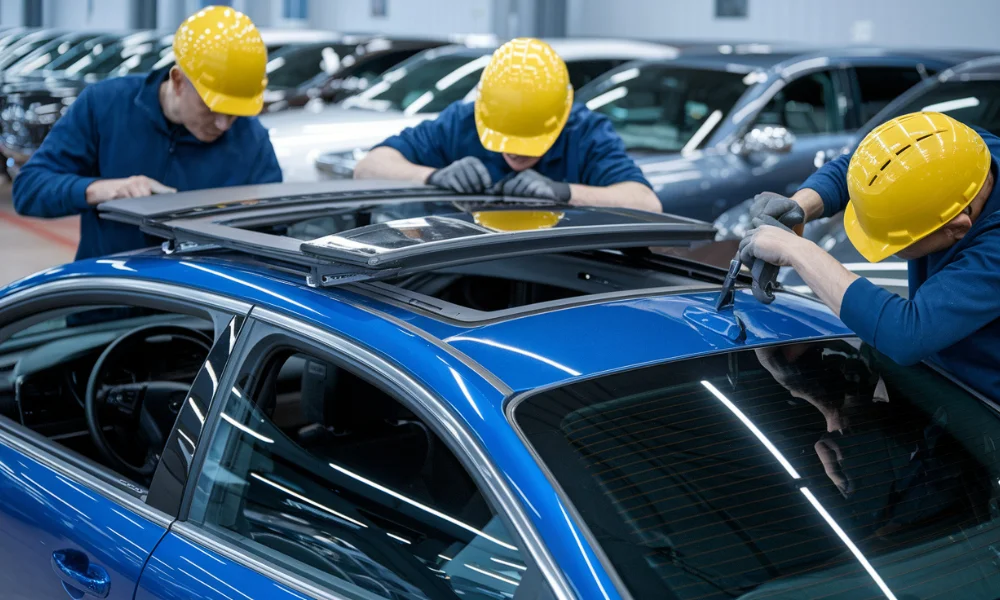
How much to install a sunroof? Most people pay between $300 and $3,500, depending on the sunroof type, their vehicle, and where they live. Labor alone runs $300 to $1,000. The final price shifts based on how complex the job is and what features you want. This guide breaks down every cost, every sunroof type, and every factor that affects your quote. Whether you want a basic pop-up or a full panoramic roof, you’ll know exactly what to expect before you call a shop. Understanding Different Types of Sunroofs Not all sunroofs are built the same. Each type has a different design, different features, and a very different price tag. Here’s what’s actually available. 1. Pop-Up Sunroof The simplest option. You tilt it open by hand. No motor, no wiring, no electronics. These work great on older or smaller cars. Because the installation is straightforward with minimal roof cutting, costs stay low. 2. Spoiler Sunroof Slides open and tilts up over the roofline. The aerodynamic design helps cut wind noise. Most models are electric. There’s more wiring involved, which adds to the price. Still one of the more affordable electric options. 3. Inbuilt Sunroof Slides all the way back inside the roof. Clean look, no glass sticking up above the roofline. Requires more roof modification to create the slide cavity. Costs more because of the added labor. 4. Top-Mount Sunroof Slides over the top of the roof rather than inside it. Gives you a convertible feel without a full drop-top. Works on almost any vehicle. One of the more popular aftermarket sunroof choices because it’s easier to install on cars not designed for one. 5. Panoramic Sunroof Large glass panels covering most of the roof. Both front and rear passengers get open-air light. These are heavy, need structural support, and take longer to install. The panoramic sunroof repair cost down the road can also run high if the motor or seals fail. 6. Solar Sunroof Generates energy from sunlight to power your car’s air conditioning or accessories. Still relatively new in the aftermarket space. Price is similar to panoramic around $1,500 to $2,500 installed. Good long-term value if you drive daily in sunny climates like Texas. 7. Folding / Ragtop Sunroof Soft fabric that folds back like a convertible top. Popular on older European models. Looks great but needs specialist installation. Fabric is harder to seal properly, so bad installs lead to leaks fast. Cost Analysis: Breaking Down the Prices for Each Sunroof Type Here’s a full breakdown of what each sunroof type costs both parts and installed. These are real-world ranges, not manufacturer guesses. Sunroof Type Description Parts Cost Installed Cost Pop-up Manual tilt, great for small cars $150–$400 $300–$900 Spoiler Slides externally, reduces wind noise $400–$700 $600–$1,100 Inbuilt Flush design, slides or tilts $600–$1,200 $1,000–$2,500 Top-Mount Aftermarket slider, convertible feel $600–$1,000 $1,000–$2,500 Panoramic Multi-panel glass, full cabin coverage $800–$1,500 $1,500–$3,500 Solar Powers A/C via solar energy $1,000–$1,800 $1,500–$2,500 Folding/Ragtop Soft fabric, vintage convertible look $500–$900 $750–$2,000 Labor for most installs adds $300 to $1,000, depending on how much roof work your vehicle needs. If your car isn’t pre-wired for a powered sunroof, expect to pay more for electrical work. Small repairs after installation clearing drain clogs or replacing seals run $100 to $200. Motor or full glass replacements can hit $300 or more. Factors Affecting How Much Does It Cost to Install a Sunroof in a Car Several things push your quote up or down. Here’s what actually matters: Vehicle Type: Trucks, SUVs, and luxury cars are often trickier to work on. Limited roof space, complicated headliners, or reinforced roof structures all add labor hours. Some vehicles need custom brackets. Sunroof Brand: Brands like Webasto and Inalfa are industry leaders with better warranties and tighter seals. Generic kits cost less upfront but fail faster. A Webasto sunroof installation typically costs more but lasts longer. Glass Quality: Standard glass is cheapest. Tinted glass adds $50–$200. Laminated or tempered glass can add $100–$500. UV-protective coatings are an extra $50–$150. Features: Rain sensors and auto-close systems add $200–$500. Sunshades add $50–$150. The more features, the more wiring, the more labor. Labor Rates: Auto glass shops charge $75–$150 per hour. A basic install takes 4–6 hours. A panoramic or inbuilt job can run 8+ hours. A skilled installer costs more but your chance of leaks drops dramatically. Pre-Wiring: If your car came without any sunroof wiring, an electric install needs new wiring runs. That adds cost. Factory sunroof wiring already installed? Your bill goes down. How Much to Install a Sunroof in Austin, Texas? Sunroof installation cost near Austin generally runs $800 to $3,000 for most vehicles. Austin’s competitive auto glass market helps keep prices in check compared to larger metro areas. Here’s how Austin compares to other cities: City Avg. Low Avg. High vs. Austin Austin, TX $800 $3,000 Baseline Dallas, TX $850 $3,200 +5–8% Houston, TX $780 $2,900 -3–5% San Antonio, TX $750 $2,800 -5–8% New York, NY $1,200 $4,000 +35–40% Austin sits in a sweet spot of experienced shops at reasonable rates. Custom sunroof installation price in Austin will vary based on vehicle type and the features you add. Tip: Summer is peak sunroof season in Texas. Book your install in winter or early spring for possible off-season pricing from some shops. If you’re searching for sunroof installation near Austin, always ask for a written warranty covering both parts and labor. A reputable shop will give you at least a 1-year warranty on the installation. You can read about: How Much Does It Cost To Fix A Sunroof Sunroof vs. Moonroof: What’s the Difference? Most people use these words as if they mean the same thing. They don’t. A sunroof is typically a solid metal panel that you remove or tilt for ventilation. A moonroof is always a powered, tinted glass panel that slides back usually with a fabric sunshade underneath. The term ‘moonroof’ was actually coined by a Ford marketing executive in the 1970s through a deal

How Much To Install A Sunroof Read More »
Can You Add A Sunroof To A Car? Cost & Guide

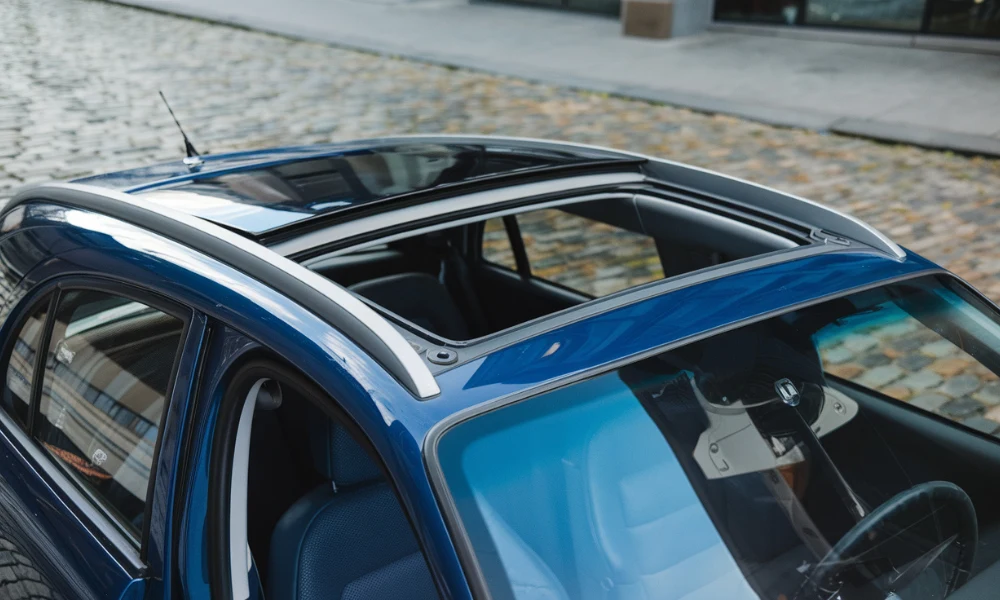
Yes, you can add a sunroof to almost any car, provided the roof is flat enough and lacks structural bracing that cannot be moved. Most installations involve cutting the sheet metal, installing a reinforced frame, and fitting a glass panel with weather-sealed gaskets. While possible for most sedans and SUVs, the process requires professional tools to ensure the car remains leak-free and safe. Adding a sunroof is a major modification that changes your car’s look and feel. Whether you want a simple manual pop-up or a powered aftermarket panoramic sunroof, understanding the technical side is key. At Texas Reliable Auto Glass, we see many drivers wanting that open-air feeling, but it is important to know how it affects your car’s structure and value before you cut it. What Does It Mean to Add a Sunroof to a Car? Adding a sunroof means installing an aftermarket unit into a vehicle that did not come with one from the factory. It is not the same as a factory-fitted sunroof, which is built during manufacturing and is part of the car’s original design. Here is how the process actually works: A technician traces a template on your roof to mark the exact cut zone. Then a power tool cuts through the sheet metal, following that template precisely. The headliner, which is the fabric ceiling inside your car, is trimmed and modified to fit the new opening. A metal frame is dropped into the hole and bonded to your roof. The glass panel is then fitted into that frame and sealed with weatherstripping. Finally, drainage tubes are routed from each corner of the frame down through your door pillars to carry rainwater safely out of the vehicle. That drainage system is the most important part of the whole job. Skipping it or routing it wrong is the number one cause of water damage after aftermarket sunroof installs. A clean installation should leave zero gaps between the seal and the metal. Pro Tip: Always ask your installer how they route the drain tubes before work begins. If they cannot explain it clearly, find another shop. Is It Safe to Add a Sunroof to a Car? This is what most drivers ask first. Your car’s roof is part of its safety cage. It keeps the cabin intact during a rollover. Cutting into it sounds risky, and it can be if done by the wrong hands. Here is the reality though. A professional installation is safe. Certified technicians avoid cutting the main structural beams of your vehicle, called the A-pillar and B-pillar. These are the steel bones that hold your roof together. As long as those stay untouched, your car’s crash protection does not change in any meaningful way. The glass itself is also engineered for safety. Every sunroof uses tempered or laminated glass. This means it breaks into small, blunt pieces rather than sharp shards. It works on the same principle as your windshield. Warning: A cheap or uncertified shop may cut into a support beam to save time. This weakens your roof and puts you at real risk in a crash. Always choose a shop with verifiable experience and documented installs. One more thing worth knowing. Some modern vehicles have sensors, wiring, or rollover protection systems built into the roof structure. Tell your installer this before any cutting starts. Those components need careful handling. Understanding Different Types of Sunroofs Not all sunroofs work the same way. Each type comes with different costs, installation time, and impact on your car’s headroom. Here is a breakdown of every option available. Pop-Up Sunroof This is the simplest and most affordable type. The glass tilts up at the rear to let air in. On some models, you can remove the panel entirely on sunny days. It does not slide back into the roof. This works well for small cars or drivers on a tight budget. Spoiler Sunroof A spoiler sunroof tilts and then slides back over the top of the roof rather than inside it. This design preserves interior headroom. It is one of the most popular choices for aftermarket sunroof installs because it is less invasive than inbuilt models. Inbuilt Sliding Sunroof This is the type that looks factory-installed. The glass slides between the metal roof and the headliner. When fully open, it disappears inside the ceiling. This takes more labor and costs more, but the finished result looks completely clean and professional. Aftermarket Panoramic Sunroof An aftermarket panoramic sunroof covers a large portion of the roof with glass. It makes the cabin feel open and bright. These are complex to install because they require more cutting, more sealing, and often structural reinforcement. They are the most expensive option, but also the most dramatic upgrade you can make to your car’s interior feel. A common question is whether a panoramic sunroof opens. Most aftermarket panoramic units have at least one panel that tilts or slides. Some are fixed glass only. Confirm this detail with your installer before you commit to a unit. Folding Fabric Sunroof Folding sunroofs use canvas or vinyl instead of glass. The material folds back when open. These are lighter and cheaper than glass options and suit classic or vintage cars well. They cost less but do not last as long and offer lower weather resistance than solid glass panels. Sunroof Type Comparison Type Cost Range Install Time Headroom Loss Best For Pop-Up $800–$1,200 4–6 hrs Minimal Budget buyers Spoiler $1,000–$2,000 6–8 hrs Very Low Compact cars Inbuilt Sliding $1,500–$3,000 8–12 hrs 1–2 inches OEM-style look Panoramic $3,000–$5,000 2–4 days 2–3 inches Luxury feel Folding Fabric $700–$1,500 4–6 hrs Minimal Classic/vintage Sunroof vs Moonroof | What’s the Difference? People use these two words like they mean the same thing. They do not. A sunroof is a solid or glass panel that opens, tilts, or can be fully removed. Early sunroofs were often metal panels that you would pop out and store in the trunk. A moonroof is always made of tinted or clear glass.

Can You Add A Sunroof To A Car? Cost & Guide Read More »

What Sports Cars Have Sunroof? A Complete Guide

What Sports Cars Have Sunroof

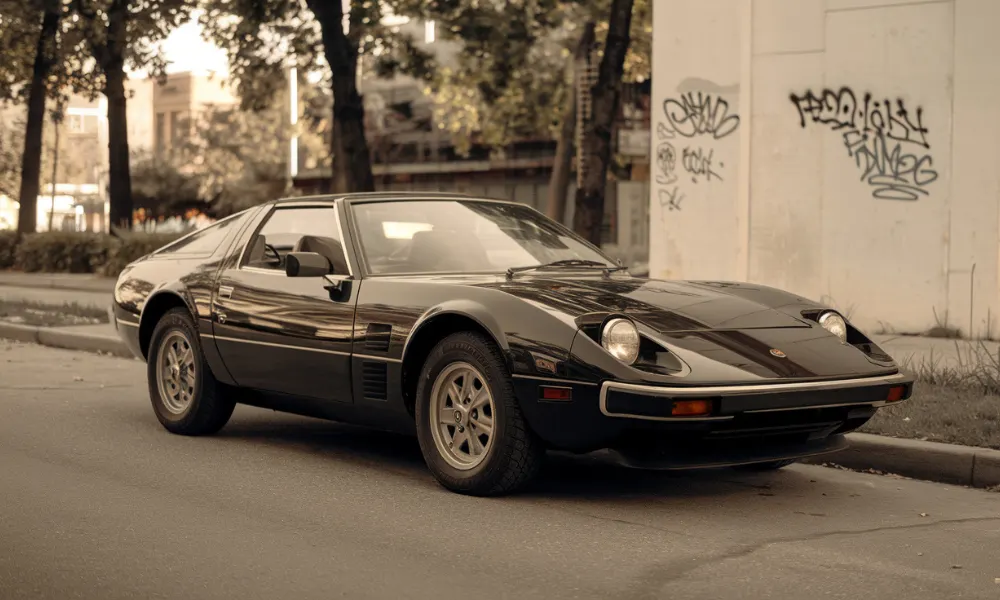
What sports cars have sunroof options? Many high-performance vehicles feature sunroofs, adding style and enhancing the driving experience. A sunroof offers improved ventilation, natural light, and an open-air feel, making every drive more enjoyable. Sports cars with sunroofs are available in markets like Austin, Texas, where enthusiasts seek luxury and performance. Brands like Porsche, BMW, and Chevrolet offer models with sunroof options, combining speed with comfort. Whether factory-installed or aftermarket, there are plenty of choices for sports car lovers craving an open-air driving experience. What Sports Cars Have Sunroof? If you’re a sports car enthusiast, you might wonder about the availability of sunroofs in high-performance vehicles. Many sports cars with sunroofs combine the thrill of the road with the pleasure of open-air driving. Let’s dive into the types of sunroofs available, the brands offering them, and the differences between factory-installed and aftermarket options. Types of Sunroofs Available in Sports Cars When it comes to sunroofs in sports cars, there are several options to choose from, each offering a unique driving experience: Panoramic SunroofA panoramic sunroof is a large glass roof that often extends from the front to the rear of the car. It provides an expansive view of the sky, enhancing the overall driving experience. This type is popular in luxury and performance sports cars, giving them a modern and sleek appearance. Retractable SunroofA retractable sunroof can be opened or closed by sliding it into the roof. It offers the flexibility of a convertible without completely losing the roof. Many sports cars with sunroofs feature retractable designs for those who want a quick way to enjoy the open air. Pop-up SunroofA pop-up sunroof is a simple design where the glass panel tilts upwards to allow fresh air into the cabin. While not as popular in high-performance sports cars, it remains a choice for some compact sports models. Popular Sports Car Brands That Offer Sunroofs Several prestigious sports car brands offer sunroof options as part of their designs. If you’re looking for sports cars with sunroofs, consider the following brands: PorscheMany Porsche models, including the iconic 911, offer both panoramic and retractable sunroof options, providing a combination of luxury and performance. Porsche’s sunroof designs often complement the sleek aesthetics of their vehicles. BMWBMW sports cars like the Z4 and the M4 offer sunroof options to add a touch of open-air driving to their sporty performance. The brand typically offers both retractable and panoramic options depending on the model. AudiAudi’s sports car lineup, including the Audi TT and Audi R8, features both panoramic and retractable sunroofs. These sunroofs seamlessly blend into the car’s stylish design while offering an enjoyable open-air experience. FordFord, known for its muscle cars like the Mustang, offers retractable sunroofs on certain trims. This allows drivers to enjoy a convertible-like experience without sacrificing the rigid structure of a coupe. ChevroletThe Chevrolet Corvette, another iconic sports car, offers sunroof options that complement its aggressive styling and performance capabilities. A retractable sunroof is available on some models, allowing for an enhanced driving experience. Factory Installed vs Aftermarket Sunroof Options When it comes to choosing a sunroof for your sports car, you’ll have two main options: factory-installed and aftermarket. Factory-Installed SunroofsA factory-installed sunroof comes pre-installed on the vehicle when purchased. These are typically integrated into the vehicle’s design, ensuring seamless operation and compatibility with the car’s structure. Factory-installed sunroofs are often covered under the car’s warranty and designed to meet the manufacturer’s standards. Aftermarket SunroofsAftermarket sunroofs are installed after the car is purchased, either by the owner or through a specialized service. While aftermarket options offer more customization, they may not always integrate as smoothly as factory-installed versions. Additionally, they could potentially affect the car’s warranty or resale value, depending on the installation quality. Top 5 Affordable Sports Cars with Sunroof If you’re looking for an affordable sports car with sunroof, you’re in luck! There are several options on the market that combine performance, style, and the luxury of a sunroof. Here are the top 5 options that provide the perfect balance of driving excitement and an open-air experience. 1. Mazda MX-5 Miata The Mazda MX-5 Miata is a classic roadster that has been a favorite among driving enthusiasts for years. While the hardtop version is most popular, you can also opt for the soft-top variant, which includes an optional sunroof. Whether you’re cruising down the highway or zipping through tight corners, this sports car with sunroof offers a thrilling experience at an affordable price. 2. Ford Mustang The Ford Mustang is an iconic American muscle car that combines performance and comfort. The Mustang offers a sunroof option, making it a great choice for those looking for an affordable sports car with sunroof. With its powerful engine options and sleek design, the Mustang is perfect for those who want to feel the wind in their hair while enjoying the roar of the engine. 3. Chevrolet Camaro The Chevrolet Camaro is another American legend, known for its bold looks and powerful performance. With a power sunroof available, the Camaro lets you enjoy an open-air ride without compromising on performance. If you’re after a sports car with sunroof, the Camaro offers excellent value for money while delivering a thrilling ride. 4. Subaru BRZ / Toyota GR86 The Subaru BRZ and Toyota GR86 are lightweight, rear-wheel-drive sports cars that deliver a pure, unfiltered driving experience. Both cars offer sunroof variants, making them a great option if you’re looking for an affordable sports car with sunroof. These cars are known for their agility and handling, perfect for those who love to take corners with confidence and style. 5. Hyundai Veloster N For those who prefer a more budget-friendly option, the Hyundai Veloster N is a fun and sporty hatchback that offers a panoramic sunroof. It’s a unique choice in the sports car segment, offering great performance and a distinctive design. The Veloster N makes for a fantastic sports car with sunroof for those who want to enjoy a performance car without breaking the bank. You

What Sports Cars Have Sunroof Read More »

How to Repair Window Tint Bubbles

How To Repair Window Tint Bubbles

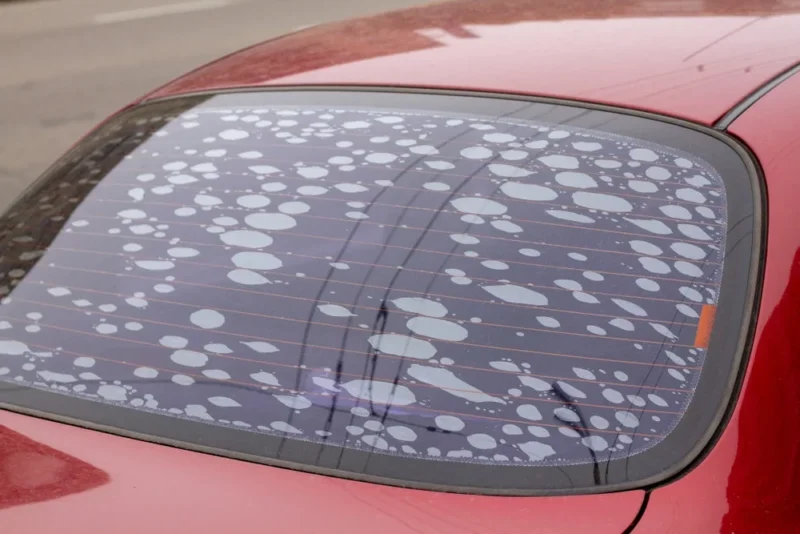
So you want to know how to repair window tint bubbles and what to do about window tint bubbles after install. These bubbles are really bad because they make your windows look ugly. They can also make the tint start to peel and not work as well. If you fix the bubbles away your window tint will last longer and you will be able to see better when you are driving.  To fix the bubbles you can use a different things like heat or a special tool called a squeegee or even a sharp pin to get the air out from under the tint and make it smooth again. Window tint bubbles are a problem for car owners and fixing window tint bubbles is pretty important. Knowing how to fix bubbles in tint properly can prevent further damage and restore a flawless finish to your windows. What Causes Tint Bubbles After Install? Talk To Car Window Expert If you have noticed tint bubbles after installation it can be really frustrating. It totally ruins the nice look of your car windows. These bubbles usually form because of a things, including: 1. Poor Installation Techniques If you do not handle the film correctly or if you do not use enough slip solution or if you do not smooth out the tint film properly you will get air pockets. When a professional installs the tint film the finish is really nice and smooth. There is a very small chance that the tint film will bubble. The professional installation of the film is the best way to get a good finish with the tint film and to avoid problems, with the tint film. 2. Low-Quality Tint Film When you buy films they usually have weaker glue. This means they can start to bubble, peel or change color after a while. If you spend a little money on good quality window tint you can avoid these problems with the window films. Investing in high-quality window films is an idea. 3. Trapped Air or Moisture During Installation When you put the film on the glass sometimes air or moisture gets stuck between them. This can cause bubbles to form. The film will dry out over time. Some of the small bubbles will go away.. The big bubbles will stay there. If that happens you will have to put the film on. 4. Heat Exposure and Adhesive Failure When you leave your window tint in the sun for a time it can get weak from the sunlight and heat. This can make the tint film come loose and get bubbles in it. If you park your car in the shade or use something to block the suns rays it can help your window tint last longer. You can make your window tint longer by parking, in shaded areas or using UV protection. How to Prevent Tint Bubbles After Install Choose a professional installer with experience. Use high-quality tint film with strong adhesive properties. Allow proper curing time before rolling down windows. Keep windows clean and dry before installation. If you’ve already noticed tint bubbles after install, some may disappear within a few days. However, persistent bubbles might require professional repair or a complete redo. I really hate it when I finish putting tint on a window. Then I see those little bumps. They are so annoying. If you have bubbles in your window tint after you put it on you do not have to take it all off and do it again. Most of the time you can fix the bubbles yourself if you are careful and have a hand, with the window tint bubbles. Fixing window tint bubbles can be a help. How To Repair Window Tint Bubbles Five Easy Steps Step 1: Get Your Stuff Ready You do not need anything. Just get a hairdryer. If you are really careful you can use a heat gun, a credit card or a squeegee a thin sewing pin and a spray bottle with a little bit of dish soap and water, in it. Step 2: Warm Up the Window Tint Film To get the bubbles out of the window tint after you put it on you need to warm it up a bit. Take a hairdryer. Set it to low. Then gently hit the bubbles with the air. The window tint film should feel warm to the touch. Not hot. This makes the sticky stuff, underneath the window tint film soft again. It becomes sticky and flexible. That is what you need to make the window tint film lay flat on the window. Step 3: Get Rid Of The Air Pocket This part can be a bit scary. It really works. Take your pin. Make a tiny hole right in the middle of the air pocket. You do not want to cut the tint you just want to make a hole so the air pocket or moisture can get out of the air pocket. The air pocket needs to be able to escape. This tiny hole will do that for the air pocket. Step 4: Smooth and Squeegee First you need to mist the outside of the tint with your soapy water. This helps your credit card glide over the tint without scratching it. Now start from the edges of the bubble. Then firmly push toward the hole you poked in the tint. The air, in the bubble will flatten out as it is forced through the pinhole in the tint. You will see the air come out of the tint as you do this. Step 5: Let the Tint Set Let it Cure Now for the hardest part: patience. Leave the windows alone and keep them rolled up for at least 48 hours. The glue needs that time to dry and grab onto the glass again so the bubbles don’t just crawl back. You can also read about how much does a car window repair cost. Will Bubbles in Tint Go Away on Their Own?

How To Repair Window Tint Bubbles Read More »

Does a Dodge Charger Have a Sunroof? Find Out Here!

Does a Dodge Charger Have a Sunroof? Find Out Here!

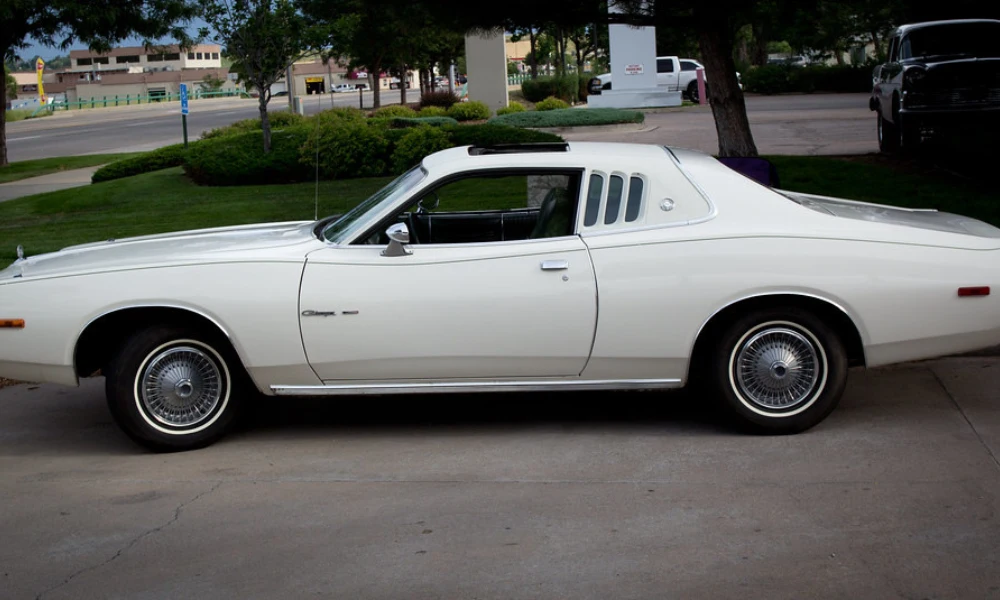
In the event that you’re thinking about buying an Evade Charger, one of the principal questions you could ask is, “Does a Dodge Charger have a sunroof?” This is a fundamental inquiry for the people who want normal light and additional ventilation while driving. While a sunroof is a sought-after extravagance included, it’s not accessible on each model of the Evade Charger. Be that as it may, numerous Charger managers do offer a sunroof choice, and contingent upon the model and setup, you could try and have the decision of an all encompassing or double sheet sunroof.In this ultimate guide, we’ll answer all your questions about sunroofs on the Dodge Charger, exploring the Dodge Charger sunroof options, the sunroof on Dodge Charger models, and which trims come with a sunroof. We’ll also take a closer look at how adding a sunroof can enhance your driving experience. Does a Dodge Charger Come with a Sunroof? When you’re shopping for a Dodge Charger, it’s important to know whether a sunroof is included as part of the standard package or if it’s an upgrade. While the base models typically don’t include a sunroof, you can find it in higher trim levels or as part of an optional package. Base Models (SXT, SE) The Dodge Charger SXT and SE are the most fundamental trims in the Charger arrangement. These models by and large do exclude a sunroof as standard. Notwithstanding, you can choose the SXT In addition to bundle or higher trims for admittance to a sunroof choice. Higher Trim Levels (GT, R/T, Scat Pack, SRT Hellcat) For the people who need more extravagance and execution includes, the Avoid Charger GT, R/T, Scat Pack, and SRT Hellcat models frequently accompany sunroof choices. The R/T trim and higher frequently incorporate all encompassing sunroof choices, upgrading the driving experience.You can also read about Sunroof repair. Dodge Charger Sunroof Options:What’s Accessible? In the event that you’re searching for a Dodge Charger sunroof option, the vehicle offers a couple types to browse contingent upon the model you pick. We should investigate the different sunroof styles and setups accessible: 1. Standard Sunroof A standard sunroof is the most well-known sunroof choice that anyone could hope to find for the Evade Charger. It’s a more modest, single-board glass rooftop that can shift or slide open to permit outside air and daylight into the lodge. The standard sunroof is accessible as a feature of explicit bundles on mid-range models like the Evade Charger GT and SXT. Professionals: Reasonable, easy to utilize, gives additional light and natural air. Cons: Less than all encompassing sunroofs, restricted ventilation. 2.All encompassing Sunroof An all encompassing sunroof offers a bigger glass board that stretches across the top of the vehicle, giving a wide, open perspective on the sky. It can open completely or somewhat to allow in both light and air. This kind of sunroof is a more sumptuous choice, accessible in drives like the Evade Charger Scat Pack and SRT Hellcat. Stars: Bigger glass board, better ventilation, more prominent light openness. Cons: More exorbitant, can lessen eco-cordiality fairly. 3. Twofold Sheet Sunroof The twofold sheet sunroof is fundamentally two separate glass sheets, one over the front seats and one over the back. This kind of sunroof is ideal for families or the people who need to give the best sunroof experience to both front and back travelers. This choice is normally found in superior execution models like the Charger SRT Hellcat. Pros: Boosts light for both front and back travelers, improved driving experience. Cons: Most costly, ordinarily just accessible on better quality models. Which Dodge Charger Models Offer a Sunroof? Now that you know about the Dodge Charger sunroof options, let’s take a closer look at which Dodge Charger sunroof models include these features and what trims and configurations you should look for. Dodge Charger SXT and SE Sunroof Availability: Optional (part of upgraded packages).Details: The base SXT and SE trims don’t include a sunroof, but you can opt for it as part of a package. The SXT Plus package, for instance, offers a standard sunroof. Dodge Charger GT Sunroof Accessibility: Discretionary (accessible in update bundles).Subtleties: The GT trim offers a superior exhibition experience and may incorporate a sunroof as a feature of the GT In addition to Bundle. A standard sunroof is normally accessible, with the all encompassing sunroof likewise presented in certain setups. Dodge Charger R/T Sunroof Availability: Optional (available in premium packages).Details: The R/T trim, which focuses on performance, typically offers a panoramic sunroof or dual-pane sunroof as part of high-end options. It’s an excellent choice for those who want a balance of power and luxury. Evade Charger Scat Pack Sunroof Accessibility: Accessible (frequently comes standard or as a component of premium trim bundles).Subtleties: The Avoid Charger Scat Pack gives fantastic execution and extravagance highlights, including the all encompassing sunroof as a component of its upscale contributions. Avoid Charger SRT Hellcat Sunroof Accessibility: Standard (double sheet all encompassing sunroof).Subtleties: The SRT Hellcat is the most remarkable Charger trim and accompanies a double sheet all encompassing sunroof. This trim is for the people who need a definitive presentation and extravagance. The amount Does It Cost to Add a Sunroof to Your Dodge Charger? Assuming that you’re hoping to add a sunroof to an Evade Charger model that doesn’t accompany one as standard, the expense can shift in light of the model and sort of sunroof you pick. Coming up next are a couple of run of the mill statements: Standard Sunroof: Adding a standard sunroof ordinarily costs some place in the scope of $1,000 and $1,500 when picked as an upgrade at the hour of acquisition. Sweeping Sunroof: A comprehensive sunroof decision can cost some place in the scope of $1,500 to $2,500, depending upon the model and trim group. Double Sheet Sunroof: The most costly choice, the double sheet sunroof, can add somewhere in the range of $2,000 to $3,000 to the absolute expense of the vehicle. Assuming you decide to

Does a Dodge Charger Have a Sunroof? Find Out Here! Read More »

How Much Does It Cost to Repair a Car Window? | Pricing Guide 2025

How Much Does It Cost To Repair A Car Window

So you need to fix a car window. There are a lot of things that affect how much does it cost to repair a car window. The car window repair is important for your safety so you can. To keep your car secure. If your car window is cracked or broken it is not good. This is because the window helps keep you safe from weather people who might try to break in and accidents. The cost of fixing a car window can be different. This depends on how bad the damage’s, to the car window. It also depends on if the car window needs to be fixed or if you need to get an one. The kind of glass that the car window is made of also affects the cost of the car window repair. Making an informed decision when seeking auto glass services can be made easier by understanding these aspects. Factors Affecting Car Window Repair Costs So you’ve got a busted car window and you’re wondering what it’ll cost to fix. Here’s the thing—it really depends. Let me break down what’s going to affect your car window repair cost. Which Window Got Damaged Not all windows cost the same to fix. Your windshield? That’s gonna be the most expensive because it takes special equipment and materials, plus it has to meet all these safety regulations. Side and back windows are usually cheaper. How Bad Is It Got a little chip? That’s not too bad—usually pretty cheap to repair. But if there’s a big crack spreading across the glass, you’re probably replacing the whole thing, and that car window replacement cost is gonna hurt a lot more. What Kind of Car You Drive Here’s where it gets annoying. Drive a Honda Civic? You’re probably fine. Drive a BMW or Mercedes? Yeah, you’re paying extra. Fancy cars have all this tech built into the glass—sensors for rain, heating wires, special acoustic stuff. All that means a higher car window repair cost. OEM or Aftermarket Glass You’ve got two choices here: OEM glass—this is the exact same stuff your car came with from the factory. Perfect fit, great quality, but definitely costs more. Aftermarket glass—cheaper option that’ll get the job done, but might not be quite as good in terms of how clear it is or how long it lasts. Who’s Doing the Work Professional installation isn’t cheap, but they know what they’re doing. Your car window replacement cost includes their labor, but at least you know it’s installed right. Those DIY kits from the auto parts store might look tempting, but screw it up and you’ll have leaks, can’t see properly, or end up paying way more to fix your mistakes. Do You Have Insurance This is huge. If you’ve got comprehensive coverage, your insurance might cover most of your car window repair cost—you’d just pay the deductible. No insurance? You’re paying everything yourself, which sucks. How Much Does It Cost to Repair a Car Window in Austin? So you need to know how much to fix a car window in Austin? Look, I wish I could give you one number, but it really just depends. Here at Texas Reliable Auto Glass, we’re not gonna jerk you around with hidden fees or surprise charges. Let me just lay out what you’re actually looking at price-wise, some stuff about Austin that matters, and how we can help. What You’ll Really Pay Around Here Most people end up paying between $100 and $400 to get their window sorted out. Big range, I know. Here’s why: Your Car Matters: If you’re rolling in a luxury ride or something newer with all that fancy tech, your car window replacement price is gonna be higher because the glass itself costs more. Which Window Got Hit: Windshields usually cost more than the side or back ones. And if your car’s got all those safety sensors and lane-keeping stuff? Yeah, that bumps it up even more. Is It Fixable or Toast: Small chip that just happened? Probably under $150 to patch it. Big crack spreading across? You’re replacing it, and that’s gonna be over $300 easy. Want Us to Come to You: We’ll drive to your place or work if that’s easier—most shops around here do that now. Some charge a little service fee, but honestly it’s worth not having to deal with the hassle. Austin’s got plenty of glass shops competing, so prices are pretty fair. Just do yourself a favor and don’t go with whoever’s cheapest without looking at their reviews first. You want someone who’s gonna stand behind their work. Austin Weather Is Rough on Car Windows Real talk—Austin’s weather sucks for car glass: The Heat Is Insane: Our summers will take a tiny crack and turn it into a spiderweb across your windshield in like a week. Seriously, don’t wait on repairs here. Hail Comes Out of Nowhere: Spring storms pop up and suddenly half the city’s got busted windshields. It’s wild. Temperature’s All Over the Place: It’ll be hot as hell during the day, then drop 40 degrees at night. That constant expanding and contracting? Makes small chips turn into big problems fast. Point is, if you’ve got damage, get it fixed now. Waiting just costs you more money later and it’s not safe. Actually Getting It Fixed There’s a million glass shops in Austin, but they’re definitely not all the same. Here’s why people come to us at Texas Reliable Auto Glass: We’ll Come to You: Wherever you are—Austin, Round Rock, Cedar Park, doesn’t matter. We’ve got mobile service covered. We Can Do It Today: Need it done fast? We usually get people in same-day so you’re not stuck dealing with a messed up window all week. Insurance Isn’t a Nightmare: We work with pretty much every major insurance company. We handle the paperwork, deal with them directly, so you don’t have to stress about what your car window replacement price actually ends up being after insurance kicks in.

How Much Does It Cost To Repair A Car Window Read More »

How to Get Your Windshield Replaced for Free | TX Guide

Yes, it is possible to replace your windshield without paying out of pocket. Many drivers qualify for a free windshield replacement through insurance laws, zero-deductible policies, or special repair programs. The key is knowing where you live, what your insurance covers, and how to ask the right questions before agreeing to any service. If you are searching for How to Get Your Windshield Replaced for Free, this guide gives clear answers first, then explains every option in simple terms. You will learn about state laws, Texas rules, insurance coverage, and even low-cost offers like $99 replacements, so you can choose what works best for you. States Where You Can Get a Free Windshield Replacement Some states require insurance companies to cover windshield replacement with no deductible. This means drivers in these states often get free windshield replacement even with basic coverage. States with zero-deductible windshield laws include: Florida Kentucky South Carolina In these states, comprehensive insurance pays the full cost. No deductible applies. That is why many drivers there never pay for glass damage. Texas does not have this law. Still, many Texas drivers qualify for free windshield replacement through policy options, promotions, or claims that waive the deductible. Understanding local rules makes a big difference. Understanding Texas Laws on Windshield Replacement Texas law focuses on safety, not cost. A cracked windshield that blocks the driver’s view can fail inspection. Law enforcement can issue a warning or citation if damage affects visibility. Texas does not force insurers to offer zero-deductible glass coverage. That said, insurance companies can offer it as an add-on. Many drivers already have it and do not know. Texas also allows drivers to choose their auto glass shop. You are not required to use the insurer’s suggested provider. This matters for quality, warranty, and honest pricing. Is Windshield Replacement Free in Texas Free windshield replacement in Texas depends on your insurance policy and the type of damage. If your windshield needs only repair, Texas law requires insurance to cover it with no deductible. You pay zero dollars for chips and small cracks that can be fixed. For full replacements, you’ll typically pay your comprehensive deductible. However, some insurance policies sold in Texas do offer $0 deductible glass coverage. You must add this coverage when purchasing your policy. USA, State Farm, and Geico offer zero-deductible glass options in Texas. These policies cost slightly more per month but eliminate out-of-pocket costs for replacements. The extra premium usually runs $5 to $15 monthly. If your deductible is higher than the replacement cost, you’ll pay the lower amount. A windshield costing $300 with a $500 deductible means you only pay $300. Your insurance doesn’t cover it because the cost stays below your deductible. Some drivers qualify for assistance programs. Low-income Texans might find help through community organizations or charitable programs. These are rare but worth investigating if you face financial hardship. How to Get Your Windshield Replaced for Free in Texas Getting free windshield replacement Texas coverage starts with checking your insurance policy. Look at your declarations page for comprehensive coverage details. This document lists your deductibles and coverage limits. Call your insurance agent and ask about glass coverage. Ask if windshield repairs are covered without a deductible. Request information about adding zero-deductible glass coverage if you don’t have it. Choose a reputable auto glass shop. Get quotes from at least three providers. Many shops work directly with insurance companies and handle all paperwork for you. They’ll verify your coverage and process claims. File your claim promptly after noticing damage. Most insurance companies have mobile apps for quick claims filing. You can also call your insurer’s claims hotline. Provide photos of the damage and your vehicle information. Schedule your replacement at a certified shop. Ask if they offer mobile service. Many glass companies come to your home or workplace. This convenience saves you time and hassle. Confirm zero out-of-pocket costs before work begins. Ask the shop to verify your coverage with your insurance company. Get written confirmation that you won’t pay a deductible if your policy includes this benefit. Keep all documentation. Save receipts, claim numbers, and repair records. These documents help if questions arise later about the work or coverage. Windshield Replacement Is Covered by Insurance Comprehensive insurance covers windshield damage from most causes. This includes rocks from other vehicles, hail, falling objects, and vandalism. Your policy pays for both repairs and replacements. Collision coverage might apply in accident situations. If another vehicle hits you or you crash into something, collision insurance handles windshield damage. This coverage works differently than comprehensive insurance. Liability insurance never covers your own windshield. This coverage only pays for damage you cause to other people’s property. You need comprehensive or collision coverage for your own glass. Most insurers prefer repairs over replacements. Fixing a chip costs $50 to $100, while replacements run $200 to $400. Insurance companies save money by repairing when possible. The size and location of damage determine coverage options. Chips smaller than a quarter can usually be repaired. Cracks longer than three inches typically require replacement. Your insurance company might require you to use specific glass. OEM (original equipment manufacturer) glass costs more than aftermarket options. Some policies only cover aftermarket glass unless you pay the difference. Check if your policy includes glass coverage endorsements. These add-ons provide enhanced protection for windshields and windows. They might lower or eliminate your deductible for glass claims. Windshield Replacement Coverage: Factors That Influence It Your deductible amount directly affects out-of-pocket costs. Lower deductibles mean less money upfront but higher monthly premiums. Higher deductibles reduce premiums but increase costs when filing claims. The type of vehicle you drive matters. Luxury cars and trucks with advanced features cost more to repair. Windshields with rain sensors, heads-up displays, or cameras require special calibration. Your location within Texas influences costs. Urban areas like Houston and Dallas have more glass shops and competitive pricing. Rural areas might have fewer options and higher costs. The severity and type of damage

How to Get Your Windshield Replaced for Free | TX Guide Read More »

How to Clean the Inside of Your Car Windshield | Easy Steps

How To Clean The Inside Of Your Car Windshield

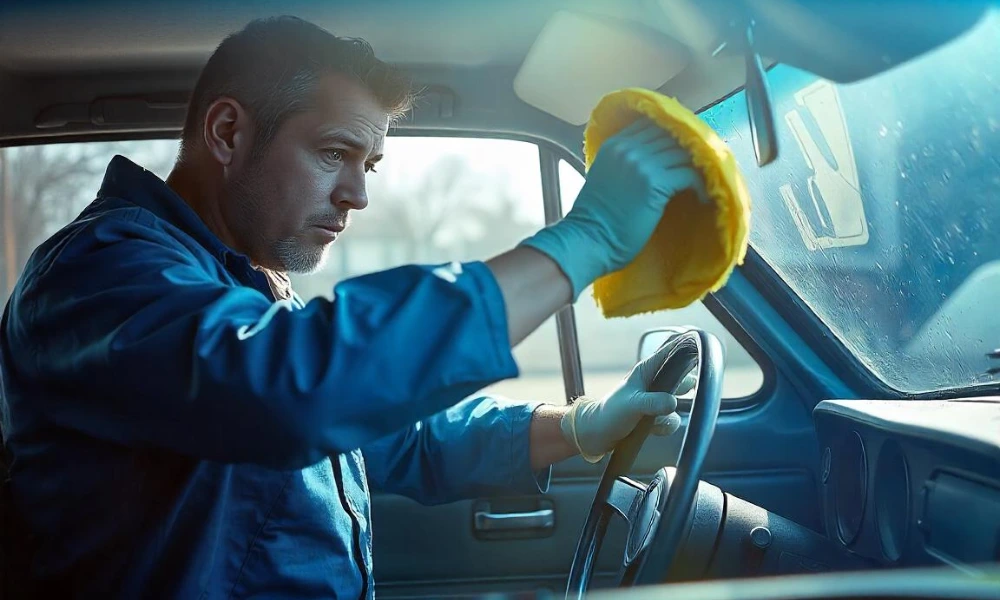
How to clean the inside of your car windshield is essential for maintaining clear visibility and ensuring safety on the road. A clean interior windshield not only enhances your driving visibility but also significantly reduces glare from sunlight and oncoming headlights, making nighttime driving safer. Dirt, smudges, and residue can accumulate over time, impairing your view and creating distractions. Proper cleaning techniques can keep your windshield spotless and free from streaks, ensuring a safer and more comfortable driving experience. Why Your Windshield Gets So Dirty Your windshield often picks up a lot of dirt, and there are several reasons behind it. Here’s why it happens: 1. Off-Gassing from Interior Materials The materials inside your car, like plastic and vinyl, release gases over time, especially in hot weather. This process is called off-gassing. These gases leave a thin, sticky film on the inside of your windshield, which attracts dust and dirt. 2. Accumulation of Dust, Smoke, and Other Particles When you drive, tiny particles like dust, smoke, and pollen stick to your windshield. Air conditioning or heating inside the car can also circulate these particles, making your windshield even dirtier. If you smoke in your car, the residue can build up quickly and cause a cloudy layer. 3. Environmental Factors Your car is exposed to the elements when you’re on the road. Rainwater can leave behind dirt and minerals when it dries. Pollen from trees, bird droppings, or even bug splatters can stick to the windshield. Over time, these build-ups make it harder to keep the glass clean. Materials Needed to Clean Windshields Keeping your windshield clean is essential for maintaining clear visibility and ensuring safety while driving. To effectively clean your windshield, you’ll need the following materials: 1. Lint-Free Microfiber Cloths Why They Are Important: Microfiber cloths are soft, absorbent, and non-abrasive, making them perfect for cleaning glass surfaces without leaving streaks, scratches, or lint behind. Pro Tip: Use two microfiber cloths—one for applying the cleaning solution and another for drying and buffing the glass. 2. Glass Cleaner (Ammonia-Free) Why Ammonia-Free is Crucial: Ammonia-based cleaners can damage tinted windows and leave a film on the glass, which may attract dirt. Ammonia-free glass cleaners are safer and more effective for automotive glass. Suggested Use: Choose a cleaner specifically designed for automotive windshields or an eco-friendly alternative to avoid harsh chemicals. 3. Distilled White Vinegar Purpose: Vinegar is a natural cleaning agent that effectively removes dirt, grease, and water spots from glass surfaces. How to Use: Mix equal parts vinegar and water in a spray bottle for a homemade windshield cleaning solution. This is especially helpful for stubborn grime or mineral deposits. 4. Rubbing Alcohol Purpose: Rubbing alcohol helps dissolve oily residues, remove streaks, and evaporate quickly, leaving a spotless finish. How to Use: Mix rubbing alcohol with water in a 1:1 ratio and spray it onto the windshield. Alternatively, add a small amount to your vinegar solution for extra cleaning power. 5. Spray Bottle Why It’s Necessary: A spray bottle allows for even distribution of the cleaning solution, ensuring consistent coverage on the glass surface. Pro Tip: Use a separate spray bottle for each cleaning solution (e.g., one for the vinegar mixture and another for rubbing alcohol) to avoid cross-contamination. Additional Tips for Cleaning Windshields: Avoid Paper Towels: Paper towels can leave lint or scratches on the glass, so stick to microfiber cloths for the best results. Clean in the Shade: Direct sunlight can cause the cleaning solution to dry too quickly, leaving streaks on the windshield. Work in Sections: Clean the windshield in smaller sections to ensure thorough cleaning and prevent missed spots. By using these materials and following these tips, you can achieve a streak-free, crystal-clear windshield that enhances your driving experience. Best Ways To Clean Inside Of Windshield Cleaning the inside of your windshield is just as important as the exterior. A clear, streak-free windshield ensures safe driving, especially at night or in bright sunlight. Follow this step-by-step guide for the best results. 1. Preparation Park in a Shaded Area: Prevent cleaning solutions from evaporating too quickly by parking your car out of direct sunlight. Protect the Dashboard: Lay towels or an old cloth over the dashboard to catch any drips from the cleaning process. This prevents water stains and protects electronics or sensitive materials. 2. Initial Wipe Down Remove Dust and Debris: Use a dry, lint-free microfiber cloth to wipe the inside of the windshield. This removes loose dust, dirt, and particles, making the next steps more effective. Check for Streaks or Oily Residue: Note any greasy spots or fingerprints that need extra attention. 3. Degreasing the Glass Use Rubbing Alcohol: Dampen a clean microfiber cloth with rubbing alcohol. Cut Through Grease: Wipe the windshield with the alcohol-soaked cloth to break down greasy residue, fingerprints, or haze. This step is critical to achieving a streak-free finish. 4. Cleaning Solution Application Prepare a Vinegar Solution: Mix equal parts distilled white vinegar and water in a spray bottle. Vinegar is excellent for removing water spots, grime, and streaks. Avoid Overspray: Spray the solution directly onto a microfiber cloth, not on the glass. This prevents overspray from reaching the dashboard or interior surfaces. 5. Wiping the Windshield Clean in Sections: Divide the windshield into smaller sections to ensure thorough cleaning. Wipe Methodically: Use vertical or circular motions to wipe the glass. Apply light pressure for general cleaning and extra pressure on stubborn spots. Reapply Solution as Needed: If certain areas remain dirty, reapply the vinegar solution and repeat the process. 6. Final Touch Buff the Glass: Use a dry microfiber cloth to buff the windshield. This removes any streaks left behind and gives the glass a polished, clear finish. Inspect for Missed Areas: Check the windshield from different angles to ensure it’s spotless and streak-free. If you need any type of windshield replacement in Austin, Tx than contact no other then Texas Reliable Auto Glass. Tips for Successful Windshield Cleaning 1. Clean the Windshield Last When detailing your car,

How To Clean The Inside Of Your Car Windshield Read More »

How to Defrost Your Windshield | Quick and Easy Tips

How to Defrost Your Windshield Fast

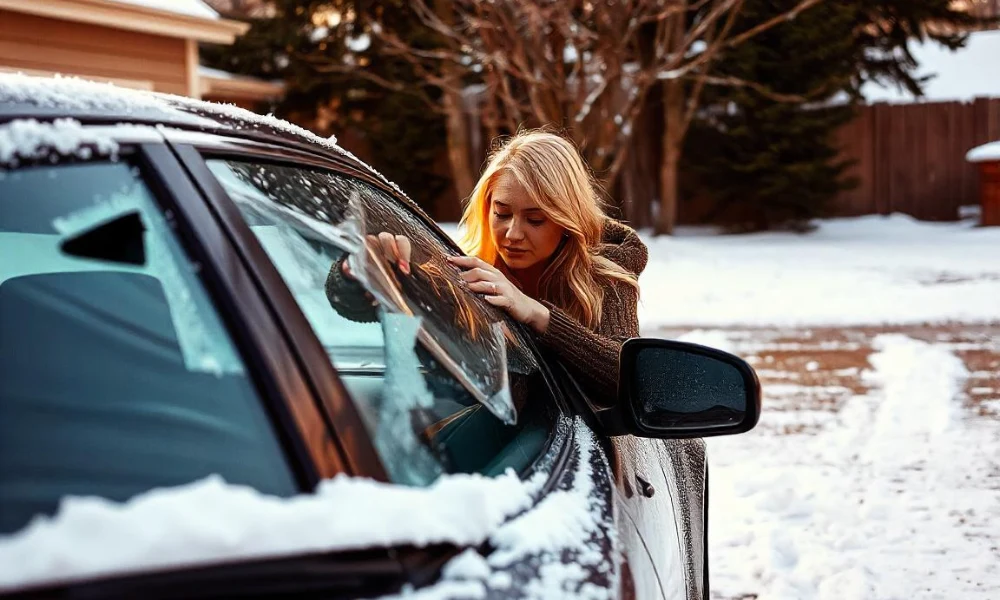
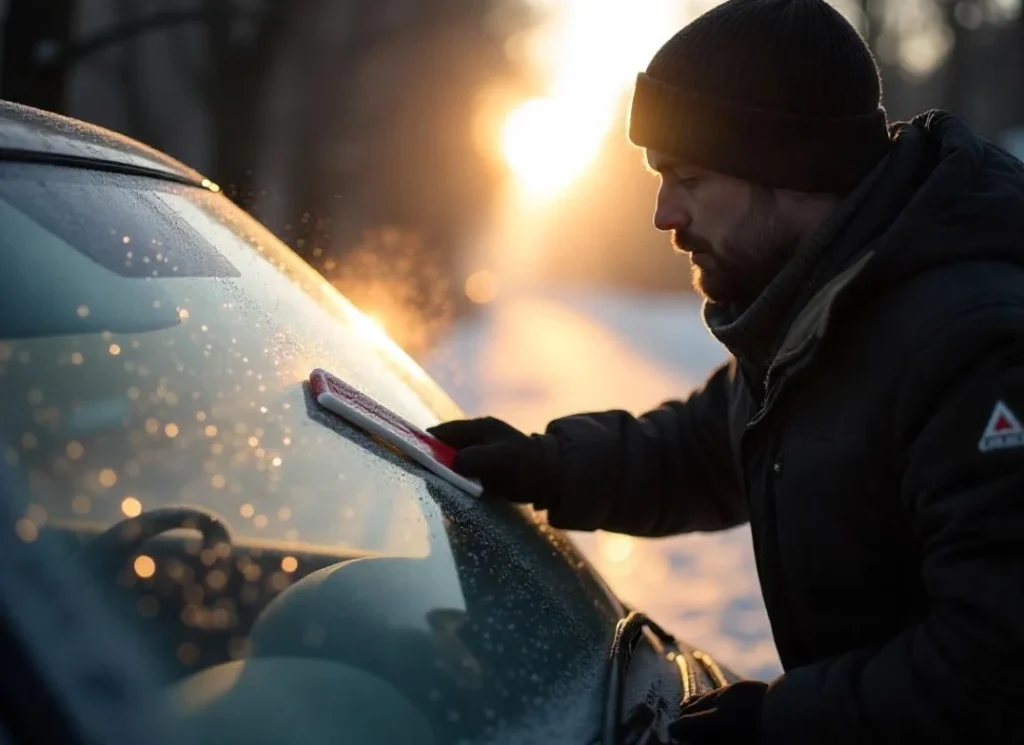
How to defrost your windshield is an important question, especially during the cold winter months when frost builds up. Frost accumulates on windshields because of the cold weather, moisture in the air, and temperature differences between the inside and outside of your car. When moisture freezes on your windshield, it creates a layer of ice that can block your view and make driving dangerous. Knowing how to defrost windshield safely and effectively is essential to ensure clear visibility and a smooth drive. Using the right techniques will help you clear the frost quickly without damaging your car’s glass or the defrosting system. Why Do Windshields Get Frosty? Talk To Car Windshield Replacement Expert Windshields can get frosty due to a combination of condensation, freezing temperatures, and changes in humidity. Here’s how it works: Condensation and Freezing Temperatures: When moisture in the air meets the cold surface of the windshield, it condenses into tiny water droplets. As temperatures drop, these droplets freeze, forming frost. This happens mostly in the early morning or overnight when the air cools down and the windshield becomes colder than the surrounding environment. Role of Humidity and Overnight Temperature Drops: The level of humidity in the air plays a key role. High humidity increases the amount of moisture in the air, leading to more condensation when the temperature drops. This is why windshields often get frosty during chilly mornings or after a cold night. Impact of Car Placement: If your car is parked outdoors, especially in open areas, it’s more likely to have frost on the windshield. The car absorbs the cold from the surrounding environment, and as the temperature falls, moisture in the air forms frost on the windshield. Parking your car in a garage or sheltered area can help reduce the likelihood of frost. To defrost the windshield, it’s recommended to start the car and use the defroster to blow warm air across the glass. You can also use a de-icing solution or scraper if the frost is too thick. By understanding these factors, you can better prepare for frosty mornings and keep your windshield clear and If you want windshield replacement in Austin Tx then contact no other than Texas Reliable Auto Glass. How to Defrost the Outside of Car Windows Without Heat Defrosting your car windows without using the car’s heater can be an efficient way to quickly clear your windshield, especially on those cold mornings when you’re in a rush. While it might be tempting to rely on the vehicle’s built-in heating system, there are alternative methods that can get the job done without the need for heat. Here are some proven techniques to help you windshield defrost quickly and safely. 1. Saltwater Solution A simple homemade solution can work wonders in defrosting your car windows. Mix a solution of water and salt (typically about 2 to 3 tablespoons of salt per liter of water) and spray it directly onto the frosted windshield. The salt helps to lower the freezing point of the water, which prevents ice from forming and melts the frost away. Be sure to wipe the windshield afterward to avoid any residual salt buildup. Advantages: Quick and effective: The saltwater solution can quickly loosen the frost and ice, allowing you to wipe it off without much effort. Economical: This solution uses common household ingredients and is cost-effective. No need for the car’s heater: Ideal if your heater is slow or not working, or if you simply want to avoid wasting fuel. 2. Alcohol-Based Sprays Another popular solution is to use an alcohol-based spray, which can be bought or made at home. Isopropyl alcohol (rubbing alcohol) can be mixed with water in a 2:1 ratio (2 parts alcohol to 1 part water). This mixture can be sprayed onto your windshield to quickly defrost it. Alcohol has a lower freezing point than water, so it helps melt the frost and prevents it from re-forming quickly. Advantages: Fast-acting: Alcohol melts ice and frost nearly instantly, allowing you to clear the windshield quickly and get on the road. Prevents re-freezing: Alcohol-based solutions are less likely to re-freeze as quickly as water-based methods. Portable and convenient: You can carry a bottle of this mixture in your car for use when needed. 3. Commercial Windshield Defrost Sprays There are also commercial defrost sprays available in the market, designed specifically for this purpose. These products often contain a combination of alcohol and other chemicals that help melt the ice and prevent future frost build-up. Advantages: Designed for the job: These products are formulated to work efficiently and effectively. Convenient and easy to use: Commercial sprays are generally packaged in a ready-to-use bottle for quick application. Long-lasting protection: Some commercial sprays leave a protective layer that can help reduce frost formation for longer periods. Cautionary Tips to Avoid Scratching the Glass: While defrosting your windshield without heat can be effective, it’s essential to take precautions to avoid damaging the glass. Here are some helpful tips: Don’t use metal or sharp objects: When scraping ice or frost off the windshield, avoid using metal tools or anything that could scratch the glass. Avoid direct contact with rough materials: Using a cloth with rough texture can scratch the glass while you’re wiping off the defrosted ice. Opt for a microfiber cloth for better results. Be gentle: Even when using a saltwater solution or alcohol-based spray, gently wipe away the frost instead of scraping aggressively. This helps to avoid any damage. Avoid Chipping or Pounding on the Ice When winter strikes and frost accumulates on your car’s windshield, it can be tempting to take the quickest route to clear the glass. However, using the wrong defrosting methods, such as chipping or pounding the ice off, can lead to damage that might affect your windshield for a long time. In this article, we’ll discuss why chipping ice can harm your windshield and highlight the best way to defrost your windshield safely and effectively. Why Chipping Ice Can Damage Your Windshield Chipping

How to Defrost Your Windshield Fast Read More »

How to Stop a Windshield Crack from Growing

How to Stop a Windshield Crack from Growing – Quick Fix Guide

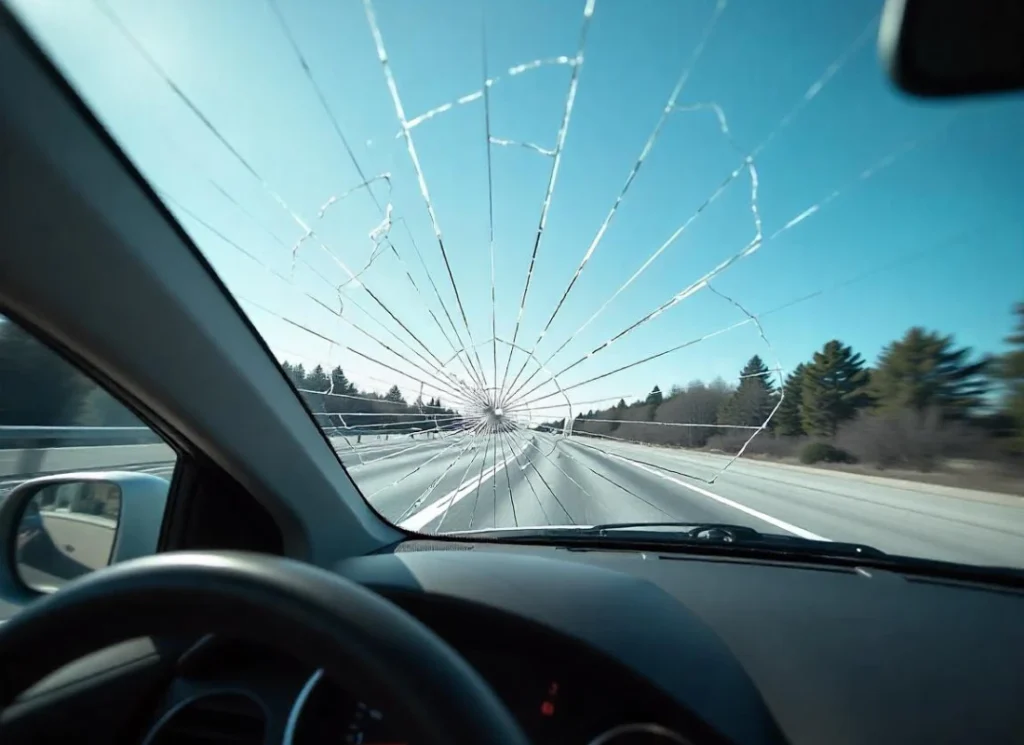
A windshield crack never stays small. Heat, cold, road bumps, and pressure all push it to grow. If ignored, a small crack in windshield glass can turn into a full replacement fast. The good news is that quick action can slow or stop the damage before it spreads across the glass. How to Stop a Windshield Crack from Growing starts with acting early, keeping stress off the glass, and knowing when repair is no longer safe. In this guide, you will learn clear steps, real examples, and expert-backed advice to protect your windshield and your safety. Is It Dangerous to Drive with a Cracked Windshield? Yes, driving with a cracked windshield puts you at risk. Your windshield isn’t just glass. It’s a safety feature that keeps your car’s structure strong during accidents. A cracked windshield loses up to 50% of its strength. This means less protection during rollovers. The glass can’t support the roof properly. In a crash, the windshield helps your airbag deploy correctly. When it’s cracked, the airbag might not work right. Cracks also block your view. A small crack catches light and creates glare. This makes it hard to see at night or when the sun hits it. Police can ticket you for driving with an obstructed view in most states. Water seeps into cracks and freezes. This makes the crack spread faster. Within days, a small crack can stretch across your whole windshield. The legal side matters too. Many states have laws about windshield damage. If your crack is in the driver’s direct line of sight, you can get pulled over. The fine varies, but you’ll still need to fix the windshield anyway. You May Also Read: Tesla Model 3 Windshield Replacement Why It’s Crucial to Stop Cracked Windshields from Getting Worse Time is your biggest enemy when dealing with windshield cracks. Every hour you wait, the damage spreads. Understanding why this happens helps you act fast. Temperature swings stress the glass. When you park in the sun, the glass heats up and expands. At night, it cools and contracts. This constant movement makes cracks grow longer. Even a 20-degree temperature change can extend a crack by an inch. Road vibrations work against you. Each bump and pothole sends shock waves through your windshield. These vibrations concentrate force at the crack’s edges. The crack acts like a weak point that absorbs all this energy. Moisture gets into cracks and creates problems. Rain, car washes, or even morning dew seeps into the damage. This water freezes in cold weather and expands. The ice pushes the crack wider. Dirt and debris also fill the crack, making professional repair harder. Wind pressure builds up while driving. At highway speeds, air pushes against your windshield with serious force. A cracked windshield can’t distribute this pressure evenly. The weak spot takes all the stress and grows. Your car’s frame flexes as you drive. Going over railroad tracks or hitting potholes twists the car’s body slightly. This flex transfers to the windshield. A healthy windshield handles this movement fine. A cracked one doesn’t. The cost increases as the crack grows. A small chip costs $50 to $150 to repair. Most insurance covers this with no deductible. But once the crack reaches past 6 inches, you need a full replacement. That runs $200 to $500 or more. Safety drops as the damage spreads. The windshield provides 45% of your car’s structural strength in a front-end collision. A spreading crack weakens this protection every day. Can a Windshield Crack Be Stopped from Spreading? Yes, you can stop a cracked windshield from spreading if you act quickly. The key is understanding what you’re dealing with and taking the right steps immediately. Small cracks under 6 inches respond well to quick action. These are the ones you can manage before they become major problems. Anything larger needs professional help right away. The type of crack matters. A single line crack has a better chance of being stopped than a spiderweb pattern. Star cracks spread faster because they have multiple weak points. Bullseye cracks (circular impacts) are often the easiest to contain. Location determines your success rate. Cracks at the edge of your windshield spread faster than ones in the middle. Edge cracks connect to the frame and can’t expand as freely, but they compromise structural integrity more. Temperature control is your first defense. Extreme heat or cold accelerates spreading. If you can keep your car in moderate temperatures, you buy yourself time. Park in a garage when possible. Use sunshades in hot weather. The crack’s age plays a role. Fresh cracks (less than 24 hours old) are easier to stop. Old cracks collect dirt and moisture. This contamination makes them harder to repair later. Fresh damage has clean edges that bond better. Your driving habits affect the outcome. Gentle driving reduces stress on the windshield. Avoid slamming doors. Take speed bumps slowly. Skip the car wash until the crack is fixed. Professional repair works best for permanent solutions. DIY methods buy you time but aren’t long-term fixes. A professional injects resin that bonds the glass back together. This restores about 80% of the windshield’s strength. 7 Steps to how to stop a windshield crack from growing Taking immediate action prevents a small crack from turning into an expensive replacement. Follow these steps in order for the best results. Step 1: Clean the Damaged Area Immediately Start by removing all dirt and debris from the crack. Use a dry microfiber cloth to wipe the area gently. Don’t press hard or you might make the crack worse. For stubborn dirt, use a small amount of glass cleaner. Spray it on the cloth, not directly on the crack. Water can seep into the damage and freeze later. Keep the inside and outside of the windshield clean around the crack. Let the area dry completely before moving to the next step. Moisture trapped in the crack will prevent any sealant from working properly. Give it at least 15 minutes

How to Stop a Windshield Crack from Growing – Quick Fix Guide Read More »

Scroll to Top