
Reliable Auto Glass

Car Window Repair

how to get window paint off car

How to Get Window Paint Off Car Windows Without Scratches

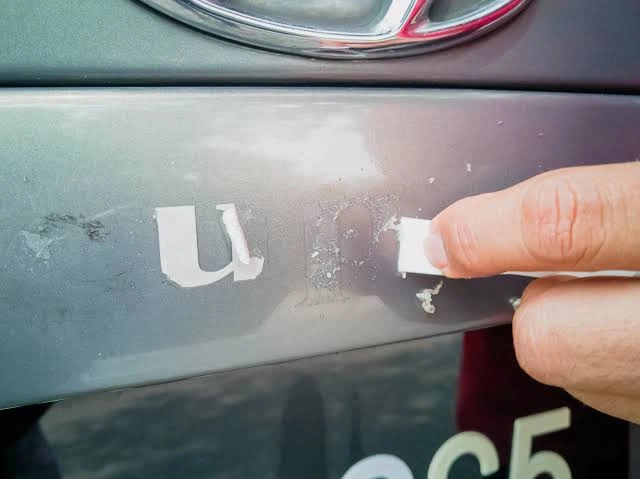
Discovering dry paint on your car window is frustrating, but you can clear it quickly and easily. The absolute best way to clean it is with a new single-edge razor blade, warm soapy water, and a clean microfiber cloth. Simply soak the spot completely and slide your blade at a low angle to lift the crusty layer away. This simple routine keeps your glass safe from scratches while restoring its original shine. Learning how to get window paint off car windows takes only a few minutes when you follow safe and easy steps. What Type of Paint Is on Your Car Window? Before you start scrubbing your glass, you must find out what type of substance is stuck to it. Different materials require different cleaning methods. Knowing the difference keeps you from making a mess. Water-based paints are the easiest type to clean off. These include liquid chalk, tempera, and typical window markers. Car dealerships often use these to write prices or sales notices on vehicles. They dissolve quickly with soapy water and regular glass cleaner. Oil-based paints and spray paints are much tougher. They dry into a hard plastic layer that bonds tightly to glass. You will need chemical solvents or sharp scraping tools to break this tough bond. A paint pen can also be tricky. These pens use acrylic paint that resists rain. They dry fast and stick hard. Identifying the substance helps you choose the safest tool so you do not waste your time. Things You Need Before Removing Paint from Car Windows Do not just grab items from your kitchen. Using the wrong tools will ruin your glass. Scouring pads and steel wool leave permanent scratches that look terrible. Gathering the right gear first makes the job safe and quick. Here is a list of simple tools you should prepare: A fresh, new single-edge razor blade with a plastic safety holder. A spray bottle filled with warm water mixed with liquid dish soap. Isopropyl rubbing alcohol or standard acetone. A small pack of clean microfiber cloth. A mild automotive clay bar kit with lubricant spray. Blue painter’s tape to protect your rubber seals and plastic trim. Keep these items within reach. Ensure your razor blade is completely new. A used blade often has tiny nicks that can scratch your window. Safety tape is also crucial to protect your car paint. How to Get Window Paint Off Car Safely (Step-by-Step) Safety should always be your top priority when working on automotive glass. This process works perfectly on standard exterior car windows. 1.Clean the surface Wash the window with soapy water to remove loose dirt and road grit. Scraping over dirt can cause deep scratches. 2.Tape the trim Apply blue painter’s tape over the rubber gaskets, plastic molding, and painted door frames around the glass. 3.Lubricate the glass Spray a generous amount of soapy water directly onto the dried spots. The glass must remain completely wet during the entire scraping process. 4.Scrape at a flat angle Hold your brand-new razor blade at a fifteen-degree angle against the wet glass. Push forward smoothly in one direction to slide under the film. 5.Wipe and rinse Wipe away the loose flakes with a microfiber cloth and give the window a final wash with regular glass cleaner. You can read about: How to Get Sap Off Windshield Best Products to Remove Paint from Car Windows If you are nervous about using a metal blade, excellent chemical options exist. These products dissolve the stubborn layer so you can wipe it away. They are highly effective when you want to know how to get window paint off a car without scraping. Commercial graffiti removers work wonders on dried spray paint. They break the strong chemical bonds in acrylic and oil coatings. Always apply them to a cloth first rather than spraying them directly on the car. Standard isopropyl rubbing alcohol is another great choice. It is cheap, safe, and easy to find. It melts fresh paint spills without harming your glass. An automotive clay bar is highly effective for tiny overspray spots. The clay grabs microscopic particles and pulls them off the glass. It is a favorite tool for professional car detailers because it is incredibly safe. How to Remove Dried Paint from Car Windows Older, sun-baked spots are harder to clean. When paint sits in the hot sun for weeks, it bakes into a hard shell. Learning how to get paint off car window surfaces that are baked on requires a bit of patience. Do not try to scrape dry, baked spots immediately. Instead, soak a microfiber cloth in hot, soapy water. Hold the wet cloth against the dried spot for three to five minutes. This moisture softens the crust. Once the spot softens, spray more soapy water on the area. Use your new razor blade to slide under the softened layer. If a thin, hazy ring remains, damp a cloth with acetone. Rub the hazy spot in small circles. The acetone melts the leftover residue instantly. Wipe the glass with a clean wet towel right after using acetone. How to Remove Spray Paint from Car Glass Spray paint is a nightmare because it covers a large area. It leaves thousands of tiny mist droplets all over your windshield. Understanding how to get paint off a window when it comes from an aerosol can require a different approach. Using a razor blade on thousands of tiny dots takes too much time. A chemical solution is much faster for this job. Pour a generous amount of acetone or rubbing alcohol onto a microfiber towel. Rub the glass using firm, circular motions. You will see the misty spots start to liquefy. Switch to a clean side of the cloth often. If you do not change sides, you will just smear the wet paint around. Be extremely careful with chemicals near your doors. Acetone destroys clear coat paint on contact. Keep a bucket of clean water nearby to rinse the area when you finish. Can

How to Get Window Paint Off Car Windows Without Scratches Read More »

how to repair a broken car window​

How to Repair a Broken Car Window | Step-by-Step Guide for Drivers

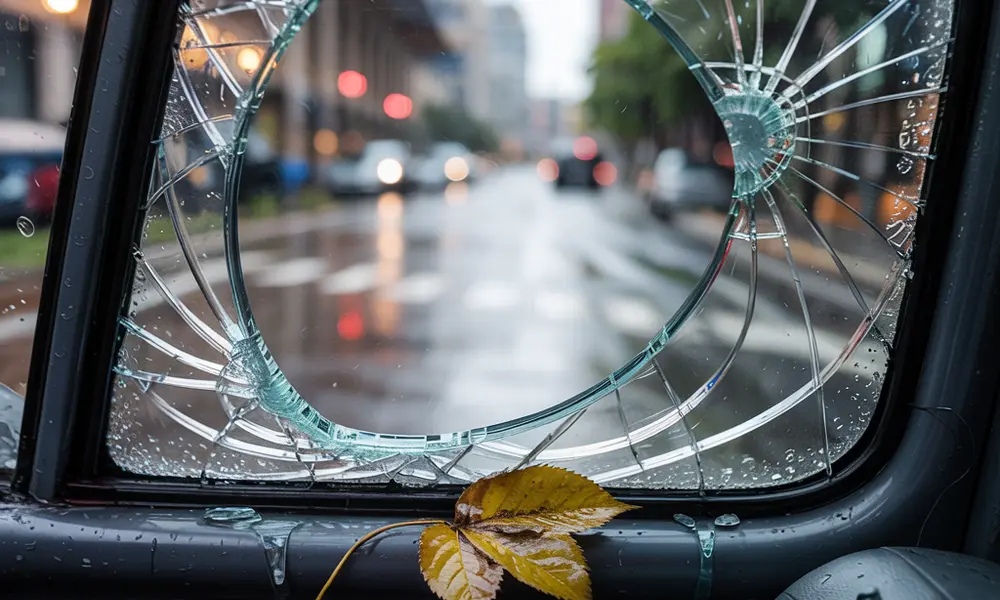
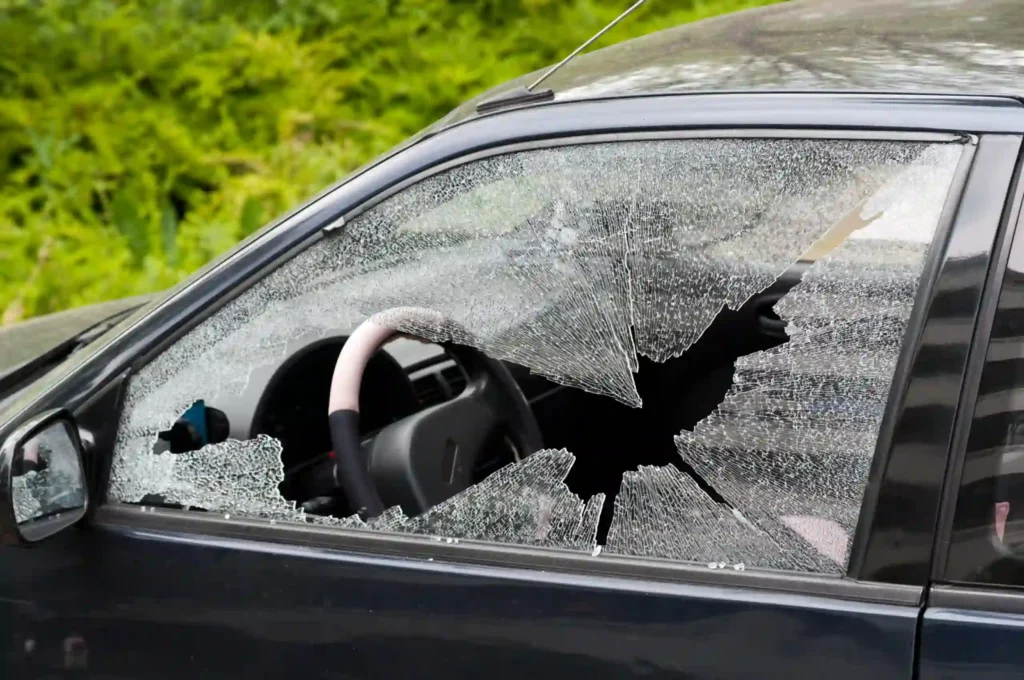
A smashed car window can happen anytime after an accident, bad weather, or even a break-in. Many drivers search for how to repair a broken car window because they want a quick and safe fix without spending too much money. Some types of broken car glass can be repaired, but in many cases full replacement is needed to keep the vehicle safe. At Texas Reliable Auto Glass, we help drivers with a car with broken window who are unsure what to do next. If you have a shattered car window or need to know what to do if someone broke into your car, this guide explains the right solution. Quick Answer | Can You Repair a Broken Car Window? Yes, but only in certain situations. When people search for how to repair a broken car window, the answer depends on the type of damage and the type of glass. At Texas Reliable Auto Glass, technicians often inspect the glass first to decide whether repair is safe or if full replacement is required. You can repair the window when: The crack is small The glass is not fully shattered The window frame is not bent The regulator and motor still work You need replacement when: The glass is completely broken The window has fallen inside the door The damage is from a break-in The glass is tempered safety glass Most side windows are made from tempered glass, which means a shattered car window usually cannot be repaired and must be replaced. Side Window vs Windshield Difference Windshields are laminated glass and can sometimes be repaired. Side windows and rear windows are tempered glass and often break into small pieces. What Is Safety Glass? Car windows use safety glass to protect passengers. When a smashed car window happens, the glass breaks into small pieces instead of sharp blades. This is why many repairs are not possible for broken car glass, especially after theft or impact. Types of Car Window Damage You Can Repair Not every car with broken window needs a full replacement. Some damage can be fixed if the glass is still in one piece. Common repairable problems: Small crack in car window Chipped glass edge Scratched glass surface Loose window track Window not going up or down A small crack in broken car glass can sometimes be sealed using repair resin. But a shattered car window from a break-in usually needs a new glass panel. If you are unsure, professional inspection is the safest option, especially if you are searching what to do if someone broke into your car and the glass is missing. Signs Your Car Window Needs Repair Instead of Replacement Sometimes drivers think they need a new window when repair is enough. Repair may work if: Crack is short and not spreading Glass is still in the frame Window moves normally No pieces are missing No air or water leaks Replacement is needed if: Glass fell inside the door Window will not move Frame is bent Glass is shattered If your vehicle has a smashed car window, repair is rarely possible because tempered glass breaks completely. How to Repair a Broken Car Window at Home (Step-by-Step) If the damage is small, you can try a temporary fix. This method helps when you need time before professional repair. Step 1: Check the Damage Carefully Look at the glass closely. Is it cracked or shattered? Is the window still attached? Is the door working? If the glass is missing, you cannot repair it, only replace it. Step 2: Clean the Broken Area Remove loose glass carefully. Use gloves and avoid touching sharp edges. Cleaning helps the repair material stick properly to the broken car glass. Step 3: Use Temporary Window Repair Kit A repair kit can seal small cracks. Most kits include: Resin Applicator Sealing strip This works only for small cracks, not for a shattered car window. Step 4: Seal the Crack or Hole Apply the resin slowly. Let it dry fully before moving the window. This is only a temporary fix for a car with broken window, not a permanent solution. Step 5: Test Window Movement Try opening and closing the window. If the glass makes noise or sticks, stop using it. Driving with damaged glass can make the crack bigger. How to Cover a Broken Car Window Temporarily If someone broke into your car, the first step is protection. Many drivers search for what to do if someone broke into your car, and covering the window is the most important step. Temporary methods: Plastic sheet and tape Thick garbage bag Cardboard cover Emergency window film Tips: Cover the opening tightly Keep water out Avoid driving fast Fix the window soon This helps protect your car with broken window until professional repair. Car Window Repair Cost | What to Expect The price depends on damage, car type, and glass type. Average costs: Small repair: $50 – $150 Side window replacement: $150 – $400 Power window repair: $200 – $500 Regulator repair: $150 – $350 Full glass replacement: $200 – $600 If you need professional service, you can check Car Window Repair Austin TX for fast inspection and accurate pricing. A smashed car window from theft often costs more because cleaning and installation are needed. Can You Drive With a Broken Car Window? Driving with broken car glass is risky. Possible problems: Rain enters the car Dust and noise increase Theft risk goes up Glass may fall inside door Legal issues in some states If you have a car with broken window, fix it as soon as possible. Drivers who ignore a shattered car window often pay more later. When You Should Replace Instead of Repair Replacement is required when damage is serious. Replace the window if: Glass is shattered Crack is large Window will not move Frame is bent Tempered glass broke Most smashed car window cases need replacement, not repair. If you are unsure what to do if someone broke into your car, the safest

How to Repair a Broken Car Window | Step-by-Step Guide for Drivers Read More »

Why Would a Car Window Go Off Track?

How to Fix Window Off Track | Easy DIY Repair Guide

A car window that abruptly slips, tilts, or falls into the door is enough to frustrate anyone, especially if it happens in the middle of a rain shower. Now, getting to know how to fix window off track is not that difficult, which most of the drivers want to know if they lost track of their window. In most cases, a car window off-track repair can be done at home with a few simple tools and a little patience.  Is Your Power Window Not Closing? Is your power window off track or out of its track guide? Things like seals, rails, track guides, rollers, and more, and that’ll let you know the common causes, the warning signs, and how to safely get a window back on track before it goes off the rails.  What does a Car Window off Track Mean? A car window is out of the track when it is out of the guide channels that hold it in place as it travels up and down. Within your door, the window regulator moves the glass smoothly up and down along metal or plastic tracks with cables or gears.  When the glass comes off these tracks, the regulator can no longer properly move the glass. The motor could still be running, and the window can become slanted, jam at half point, or even fall inside the door.  This problem can occur in both power and manual windows.  Why does a car window go offtrack? A car window can go off track due to various problems such as a damaged or broken window regulator, a stuck window, or an obstacle in the window track. Knowing the real issue will allow you to make the right repair.  1:Worn Window Regulator  The window regulator is in use every time you open or close a window. Cables stretch, gears wear out, and moving parts loosen up, all of which can lead to the glass sneaking out of alignment.  2:Broken Window Clips  Plastic clips hold the window glass to the regulator. These clips become brittle with age, and then they crack or break.  When the clips break, support for the glass is lost, and the pane can come off the track.  3:Bent Window Tracks  The guide channels inside the door can be bent from:  Door impact  Rust  Accidents  Banging the door several times  A simple twist is enough to cause the window to move unevenly.  4:Loose Mountain Bolts  Vibrations from daily driving could also loosen the bolts holding the regulator and guide rails.  Poor alignment is often caused by the loose hardware that slowly forces the glass off track.  5:Bad Window Motor  A failing power window motor can raise one side of the window more quickly than the other. A very slow motion can put extra strain on the regulator and eventually push the window out of place.  6:Off Track Car Window Symptoms  Early detection of the symptoms can save additional damage.  Some common symptoms are:  Window moves very slowly  Window tilts as it opens or closes  Grinding or clicking noises  Window stops halfway  Glass falls inside the door  Wind noise around the window  Water leaks into the vehicle  If you find these symptoms, then now is the premier time to understand “how to fix car window off track” before other parts get damaged.  Signs Your Car Window Is Off Track Catching the problem early makes repairs easier. Watch for these warning signs in your vehicle. The Window Won’t Move Up or Down You press the button but nothing happens. Or the glass moves just an inch then stops. This suggests the window has completely left its track. Glass Sits at an Angle Look at your window from outside the car. Does one side sit higher than the other? A tilted window means it’s off track on at least one side. Strange Grinding or Clicking Noises Hear weird sounds when you use the window switch? That’s the motor trying to move glass that’s stuck. Metal grinding on metal damages parts quickly. Window Falls Into the Door This is the worst scenario. The glass drops down inside the door panel completely. You can’t see it from outside and it won’t respond to the switch. Gaps Around the Window Frame Check the rubber seal around your window. Gaps let in wind noise and water. They show the glass isn’t sitting where it should be. WHAT TO DO IF YOUR WINDOW FALLS INSIDE THE DOOR If your window drops inside the door unexpectedly, don’t keep hitting the power switch.  Instead:  Park the vehicle in a safe place.  Cover the window if rain is forecast.  Put on gloves when handling broken glass.  Check for obvious damage.  Collect all tools you need prior to starting to make repairs.  These steps will keep things from getting any worse and will help you to get your car window off track easy fix.  How To Repair a Window Off Track Tools Required Most of the repairs you conduct yourself will need just basic tools.  You will need the following:  Phillips screwdriver  Flat-head screwdriver  Socket wrench set  Tools for the removal of trim  Flashlight  Working gloves or disposable gloves  A clean microfiber cloth  Silicone spray lubricant  Optional tools are:  Window clips replacement  Magnetic parts tray  Vehicle repair manual  Multimeter  The right tools make for a faster and safer repair.  How To Fix Window Off Track Step by Step Step 1: Taking off the Door Panel  Start by taking off any covers concealing the screws.  Use a trim tool to pop the plastic clips loose without breaking them or cracking the panel.  Unplug any electrical connectors for:  Window switches  Door locks  Speakers  Place the panel somewhere safe.  Step 2: Take away the Moisture Barrier  There is a plastic moisture barrier behind the door panel.  Peel it off slowly and don’t tear it; you will be putting it back on.  Step 3: Find the Window Track  Look inside the door with a flashlight.  Identify:  Window regulator  Guide tracks  Mounting clips  Window motor  Look closely

How to Fix Window Off Track | Easy DIY Repair Guide Read More »

How To Clean Car Windows From Inside

How To Clean Car Windows From Inside | Easy Streak-Free Tips

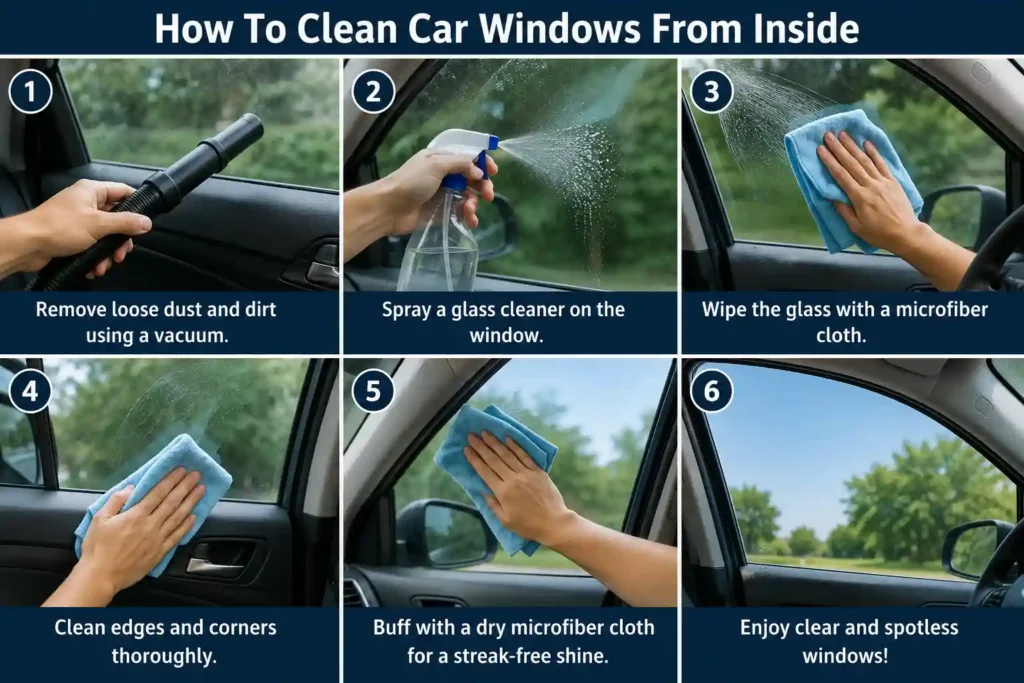
Dirty windows aren’t always dirty on the outside. The inside of your car windows can gradually develop a layer of dust, fingerprints, grease, smoke residue, and other buildup. The windshield can be especially frustrating because even a thin film can become much more noticeable when sunlight or headlights hit the glass. Knowing How To Clean Car Windows From Inside properly can help you maintain clearer glass without spreading residue onto your dashboard, damaging window tint, or leaving behind streaks. The good news is that you don’t need complicated equipment. With the right microfiber cloths, an appropriate glass cleaner, and a simple technique, you can clean your interior car windows effectively at home. Quick Answer: How To Clean Car Windows From Inside The best approach is to work on cool glass with a clean microfiber cloth and a suitable automotive glass cleaner. Start by removing loose dust from the glass and surrounding areas. Apply a small amount of cleaner to a microfiber cloth rather than heavily spraying the windshield or side windows. Wipe the glass in overlapping sections, paying extra attention to greasy areas and corners. Then use a second, completely dry microfiber cloth to buff the glass until it is clear and streak-free. For tinted windows, use a cleaner specifically labeled as safe for automotive window tint and avoid abrasive materials. If marks remain after thorough cleaning, the problem may be scratches, pitting, chips, or other glass damage rather than dirt. Why Do Car Windows Get Dirty on the Inside? Interior glass can collect more buildup than many car owners realize. Common sources include: Dust from the vehicle’s interior Fingerprints Skin oils Cleaning-product residue Smoke or vapor residue Plastic and vinyl off-gassing Moisture and condensation Food and drink splashes Pet-related residue The windshield can develop a particularly noticeable film because the dashboard and other interior materials are constantly exposed to sunlight and changing temperatures. This film may not look serious when the vehicle is parked. However, direct sunlight can make it appear hazy, while nighttime headlights can highlight streaks and smudges. That’s why regular interior glass cleaning is more than a cosmetic task. Clear glass can make it easier to see through the windshield and side windows. What Do You Need to Clean Car Windows From Inside? You don’t need a large collection of detailing products. For most vehicles, gather: 2 or more clean microfiber cloths An automotive glass cleaner A soft detailing brush or clean cloth for loose dust Water if recommended for your chosen cleaning method A clean, dry towel for final buffing Choose microfiber cloths that are clean and free from particles that could scratch or contaminate the glass. Avoid using the same cloth for the dashboard and windows. Interior surfaces can contain oils, dressings, and other residues that may simply transfer back onto the glass. How To Clean Car Windows From Inside: Step-by-Step Step 1: Park in a Suitable Location Start by parking your car somewhere shaded or indoors if possible. Glass that is very hot can cause cleaning products to dry quickly. When that happens, you may end up chasing streaks instead of removing them. A cooler surface gives you more time to wipe and buff the cleaner properly. Step 2: Remove Loose Dust Before applying cleaner, remove loose dust from the glass and nearby surfaces. You can use a clean microfiber cloth to gently remove visible dust. This step matters because rubbing heavy dust or grit across the glass can make cleaning more difficult. Also wipe away loose debris around the edges of the windshield and side windows. Step 3: Apply Cleaner Carefully Don’t soak the interior of your car with glass cleaner. Instead, apply a small amount of suitable cleaner to your microfiber cloth. This gives you better control and reduces the chance of overspray reaching: Dashboard surfaces Electronic controls Speakers Air vents Door panels Other interior trim If you are using a commercial automotive glass cleaner, follow its label instructions. Step 4: Clean the Glass in Sections Work on one section at a time. For example, divide the windshield into several manageable areas rather than wiping randomly across the entire surface. Use overlapping strokes to loosen the film and residue. Pay particular attention to: Lower corners Edges Areas behind the steering wheel Places touched frequently Areas where the windshield looks hazy Don’t immediately move to another area before you’ve properly wiped the first one. Step 5: Use a Second Dry Microfiber Cloth Once you’ve cleaned a section, take a second clean microfiber cloth and buff the glass. The first cloth removes the dirt and is cleaner. The second cloth helps remove remaining moisture and residue. This simple two-cloth approach can make it much easier to achieve a clear finish. If the second cloth becomes damp or dirty, switch to another clean one. Step 6: Check the Glass From Different Angles Don’t assume the glass is clean just because it looks clear from the driver’s seat. Change your viewing angle and look at the windshield in natural light. If you notice lines or cloudy patches, lightly buff those areas with a dry microfiber cloth. This final inspection is particularly useful for finding streaks that aren’t immediately visible. How to Clean Inside Car Windows Without Streaks Learning how to clean inside car windows is only half the job. Getting a streak-free result depends heavily on technique. Here are some useful habits: Use Clean Microfiber Cloths A dirty cloth can redistribute oil and residue instead of removing it. Don’t Use Too Much Cleaner More product doesn’t necessarily mean cleaner glass. Excess liquid can leave residue behind and make drying more difficult. Work in Small Areas Small sections make it easier to completely remove the cleaner before it dries. Buff With a Dry Cloth A final dry wipe can remove the thin film left behind after the initial cleaning. Don’t Clean Hot Glass Excess heat can cause cleaning products to evaporate too quickly. How to Clean the Inside of a Windshield The windshield is often

How To Clean Car Windows From Inside | Easy Streak-Free Tips Read More »

Single Pane vs Double Pane Windows | Which is Better?

Single Pane Vs Double Pane Windows | Comparison Guide

Your car windows contribute to more than just shielding you from the wind, rain, and road dirt. They affect cabin comfort, thermal management, exterior noise, and even your driving experience. There’s more insulation Difference When It Comes To Windows In Single Pane Vs Double Pane Windows insulation, noise reduction, energy efficiency, and cost are some of the areas.  Single pane windows have been in wide use because of their low cost; they are lightweight, and replacement is easy. That said, double-pane windows are becoming more common as they offer better insulation and a quieter ride.  There are a lot of people who are curious about the difference between single and double pane windows and if it’s even worth spending the additional money for an upgrade. The “best” choice will depend on your budget, your driving style, your climate, and what you find comfortable.  What is Single Pane Auto Glass?  From a single sheet of processed glass, a pane of automotive glass is made. The production is oriented toward strength and wear resistance in combination with lightness and low cost.  This simple design has multiple benefits, and each perk forms a basis for the next one:  Cost-effective production  Simpler installation  Lighter vehicle  Cost-effective options for replacement windows  However, the single-layer design also ensures that the windows themselves don’t do as much to keep heat from the outside, cold from the outside, or road noise out.  Disadvantages of Single Pane Windows  Single-glass windows are much cheaper, but they do have a few drawbacks.  Typical disadvantages include:  More outside noise into the cabin  Less protection from heat and cold  Temp control is limited  Less UV protection  Less premium feel  Long-distance drivers:   Those who log a lot of miles on highways may be surprised by the amount of wind, traffic, and road noise vehicles with single pane glass do not provide the same sound barrier as double pane glass.  Single-Pane Window Cars  What Are Some Examples? If you want to avoid single pane windows, stay away from the following general vehicle types:   Cars of the past As we know, older vehicles tend to be built more sturdily and have fewer due to safety concerns over time. Budget-friendly cars  Entry-level SUVs Fleet vehicles  Single-Pane Window Cars What To Look For Older models with basic features are of course the most likely to have single pane windows. Many brands continue to use single-pane glass in regular models, as it enables them to keep the costs of production down  Benefits of Single Pane Windows  Single pane glass remains a viable choice for many car lovers due to its low cost and simplicity in handling. Key benefits include:  Reduced replacement costs  Light in weight  Easy to obtain  Simple repair  Reduced up-front vehicle cost /price  If you are a driver who only requires basic transportation, single-pane windows can paint you a good image and not let you down without breaking your bank.  What Is A Double Pane Car Window?  Double-pane car windows consist of two pieces of glass separated by an insulating space. This space can be filled with air or special gases that enhance thermal performance.  The dual-pane construction reduces heat conduction, helps block outside noises, and provides a more comfortable cabin environment.  A lot of high-end cars and electric vehicles are fitted with double-pane glass these days since a quieter cabin makes for a better driving experience.  How Do Double Pane Windows Work?  A double-pane window operates by establishing a separation layer between the indoor and outdoor environment.  The two layers of glass and the insulating space reduce the following:  Heat from outdoors  Transfer of Cold Air  Wind noise  Traffic sounds  Road vibrations  Some advanced technologies use insulating gases such as argon between glass panes to increase efficiency.  Single Pane vs Double Pane Windows: What You Should Know  The single pane vs double pane debate makes it easier for drivers to make an educated decision on what suits best for them.  Temperature Control and Insulation  Insulation performance: It’s well known that double glazing has better insulating properties than single glazing.  Double-glazed windows are more effective, as the insulator between the two glass layers acts as a barrier to heat transfer.  These also slow down the heat transfer from the outside and keep the cabin cooler on hot days. They keep the interior warm in winter.”  Because the cold temperatures from outside can flow more easily through single-glazed windows into the cabin, your heating and cooling systems may need to work harder.  Single Pane Vs Double Pane Windows Efficiency  In terms of single pane vs. double pane windows efficiency, double-pane glass windows definitely win.  The extra glass pane and insulating space offer enhancements in:  Heat control Energy efficiency   Passenger comfort   Climate system performance  Double-pane windows in a vehicle, on the other hand, may place less strain on the air conditioning system as cabin temperatures don’t fluctuate as much.  Noise reduction is another big benefit of double-pane windows.  Single-pane windows let in more noise from:  Highway traffic  Tires  Wind  Construction sites  Nearby cars  Double-pane windows block out noise in a similar way with multiple panes that absorb vibrations and impede the window.  And for drivers who often take long trips, the quieter cabin can make a journey a little easier.  Pros and Cons of Single Pane Windows  Advantages of Single Pane Glass  The benefits are as follows:  Lower buy-in cost  Inexpensive substitution  Lightweight structure  Simplified repairs  Readily available parts  The windows still have plenty of use for your average Joe driver.  Downsides of Single Pane Glass are:  Disadvantages  Disadvantages are:  More noise from outdoors  Less insulation  Decreased temperature control  Stronger cabin heat in summer  Less premium driving experience  Pros and Cons of Double-Paned Windows  Benefits of Double Pane Glass  Considerable advantages include:  Enhanced soundproofing  Better control over heating and cooling  Increased cabin comfort  Increased UV protection  Greater sense of driving a premium car  Hence, nowadays more and more double pane windows cars are coming out  Downsides of double pane glass   Possible drawbacks:  Higher replacement cost 

Single Pane Vs Double Pane Windows | Comparison Guide Read More »

How Much Does It Cost To Repair A Car Window

How Much Does It Cost To Repair A Car Window? | 2026 Guide

Fixing a small chip or crack in a car window usually costs between $50 and $150. If you need to fix a power window motor or mechanism, expect to pay between $150 and $400. Complete glass replacement for door or rear windows ranges from $150 to $800 depending on your vehicle. Every driver wants to know what to expect before visiting an auto glass shop. When asking How Much Does It Cost To Repair A Car Window, the exact price depends on the glass type, the extent of the damage, and your vehicle make. How Much Does It Cost to Repair a Car Window? The overall car window repair cost usually falls between $50 and $400 for standard fixes. Minor rock chips and small surface cracks are the easiest and cheapest to fix. Technicians inject a clear resin into the glass to restore strength and prevent the crack from spreading. This quick service takes less than an hour. If the glass is smashed or shattered, simple repairs will not work. You will need a complete replacement instead. Mechanical issues like a window stuck inside the door frame also cost more to fix. Understanding these basic price ranges helps you budget for your repair without unexpected surprises. What Factors Affect Car Window Repair Costs? Several main details determine how much you pay at the repair shop. Knowing these factors helps you understand your quote: Type of Glass: Tempered glass used on side windows shatters into dull pieces and must be replaced. Laminated glass on windshields can often be repaired. Vehicle Make and Model: Luxury vehicles and exotic sports cars require specialized glass and higher labor rates. Standard sedans are much cheaper. Location of the Damage: Damage near the edge of a window weakens the entire frame, making replacement necessary. Built-in Technology: Windows with rain sensors, defroster lines, or tinting add extra labor time and component costs. Labor Rates: Auto glass repair shops in large cities often charge higher hourly rates than shops in small towns. Average Car Window Repair Costs by Window Type Different windows on your vehicle serve unique purposes and use different types of safety glass. Because of this, pricing varies greatly across your vehicle. If you are wondering how much to fix a car window, looking at the specific location gives you the best estimate. Front side glass, back side glass, rear windshields, and tiny quarter panels all have distinct price points. How Much Does It Cost to Repair a Side Car Window? Replacing or repairing a side door window costs between $150 and $450. Side windows use tempered glass that crumbles into tiny bits upon impact. Because tempered glass cannot be patched with resin, a broken car window repair cost for door glass almost always means installing brand new glass. The price depends on whether it is a front driver window or a rear passenger window. Front windows often cost slightly more because they house complex power lift assemblies. The technician must remove the interior door panel, vacuum out broken glass, align the new glass, and connect the tracks properly. How Much Does It Cost to Repair a Rear Car Window? Rear car window repairs usually range from $250 to $800. Rear windshields cost more than side doors because they are larger and contain built-in grid lines. These heated grid lines melt ice and clear fog during cold weather. Technicians must carefully connect the defroster wiring during installation. Some modern vehicles also embed radio antennas or wiper systems inside the back glass. Replacing a rear window requires removing trim panels, setting fresh adhesive seals, and testing the heating elements before you drive away. How Much Does It Cost to Repair a Quarter Glass Window? Quarter glass windows cost between $200 and $700 to replace. These are the small triangular glass panels located near your side mirrors or behind the rear passenger doors. Many drivers assume small windows are cheap to fix, but that is not always true. Quarter glass can be expensive because it is hard to find and difficult to install. Technicians must work in tight spaces and apply specialized sealants to prevent air and water leaks around the frame. How Much Does It Cost to Repair a Power Window? When a power window stops moving up or down, the issue is usually mechanical or electrical rather than broken glass. The total cost to repair a power window ranges from $150 to $400. Window Regulator: The mechanical assembly that moves the glass costs between $150 and $350 to replace. Window Motor: The electric motor driving the assembly costs around $100 to $250 for parts and labor. Master Switch: A faulty window switch costs between $50 and $150 to fix. If you hear a grinding noise inside the door, the regulator cable is likely broken. If nothing happens when you press the button, the motor or fuse may have failed. Understanding Car Window Seal Repair Costs Water leaking into your cabin or whistling wind noises at high speeds mean your window seals are failing. The car window seal repair cost typically ranges from $70 to $220 per window. The rubber weather stripping around your windows dries out, cracks, and shrinks over time due to sun exposure. Replacing weather seals involves peeling away old rubber, cleaning glue residues, and fitting a fresh rubber gasket. Fixing bad seals quickly prevents moisture from ruining your interior upholstery and rusting your inner door components. Repair vs. Replacement: Which Option Is Better? Deciding whether to repair or replace your car glass depends on three basic factors: depth, size, and safety. Small rock chips under one inch wide can usually be repaired with liquid resin for under $100. Resin fixes preserve the factory seal and keep costs low. When asking how much does it cost to fix a window, replacement is necessary if cracks are longer than six inches. You must also replace the glass if cracks block the driver line of sight or penetrate both layers of laminated glass. Shattered tempered

How Much Does It Cost To Repair A Car Window? | 2026 Guide Read More »

Fix Broken Car Window Glass | Professional Repair Services

Fix Broken Car Window Glass | Quick Repair Guide

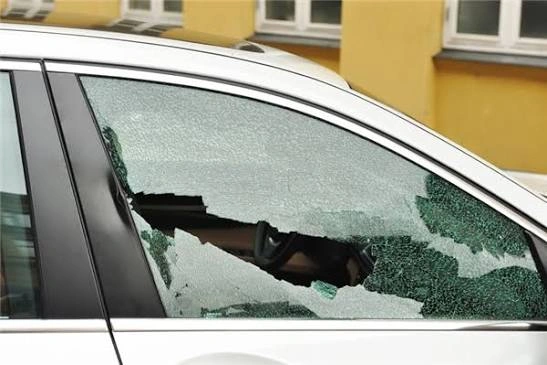
A broken car window usually needs replacement when the glass is shattered, missing, or badly cracked. Small damage may be repairable, but side-window glass is often replaced instead. Start by keeping loose glass away from people and pets. Do not keep using the power window until the door and glass area are checked. Cover the opening if rain or debris can enter the vehicle.  A proper inspection can also find damage to the window regulator, motor, track, or seal. This helps prevent a new glass panel from breaking again.If you need to Fix Broken Car Window Glass, first check the damage and protect the opening. Then decide whether the glass needs repair, replacement, or a related window repair. Can You Fix Broken Car Window Glass? Yes, but the repair depends on the type of damage. A small crack or minor mark may have a repair option in some cases. A shattered side window usually needs a new glass panel. Side windows are often made from tempered glass, which can break into many small pieces after a strong impact. This makes side-window damage different from a typical windshield chip. A broken car window can also involve parts inside the door. The glass may be intact while the regulator, motor, switch, or track has failed. That is why the first step should be a proper inspection. If the glass is shattered or missing, do not try to glue the pieces back together. The glass needs to be removed and replaced with the correct part for the vehicle. Check the Damage Before You Try to Fix It Look at the entire window area before touching broken glass. Check for Cracked or Shattered Glass A small crack is easier to assess than a window that has broken into many pieces. Look for: Long cracks Missing sections Loose glass Small glass pieces inside the door Damage around the window frame Scratches or dents around the impact point If the glass is badly damaged, replacement is usually the practical solution. Check the Door and Window Frame A strong impact can damage more than the glass. Inspect the door frame for dents or bent areas. Check the window opening for anything that could prevent new glass from sitting correctly. A damaged frame can cause fit problems after replacement. Check the Window Mechanism If the glass is still in one piece, operate the window only if it is safe to do so. Listen for clicking, grinding, or unusual motor sounds. The glass may have come off its track. A failed regulator can also stop the window from moving. Finding this problem before installing new glass can save another repair later. What to Do Immediately After a Car Window Breaks A broken window creates several immediate problems. The vehicle is exposed to weather, dirt, and theft. Follow these steps: Park the vehicle in a safe location. Keep children and pets away from loose glass. Wear gloves before touching broken pieces. Pick up large pieces carefully. Avoid reaching deep into the door. Cover the open window if needed. Arrange an inspection or replacement. Do not use your bare hands to remove broken glass. Small pieces can hide inside the door panel, seat, floor, and window track. A vacuum made for fine debris can help with cleanup, but take care when working around electrical parts. If the break happened after an accident, check the surrounding door area before driving. How to Temporarily Cover a Broken Car Window A temporary cover can protect the vehicle until the glass is replaced. A strong plastic sheet can work for short-term protection. Place it over the outside of the opening and secure it with suitable tape. Keep the plastic tight enough to reduce flapping. Avoid putting tape on areas where it can damage sensitive paint or trim. A temporary cover can help keep out: Rain Dust Leaves Road debris Cold air Do not treat plastic as a permanent window repair. It can loosen while driving and reduce visibility if it moves toward the driver’s side mirror. If the opening is on a front door, keep the driver’s view clear. Replace the damaged glass as soon as practical. How to Fix Broken Car Window Glass The right repair method depends on the type of damage. For a shattered side window, the normal solution is glass replacement. The broken glass must first be removed from the vehicle. Step 1: Inspect the Window Identify the damaged glass and check the surrounding door. The technician also checks whether the regulator, track, motor, and seals were affected. Step 2: Remove Loose Glass Broken pieces are removed from the window opening and door area. This step requires care because small tempered glass pieces can remain in hidden areas. Step 3: Clean the Door and Interior The technician cleans remaining glass from the door, seat, floor, and other affected areas. A thorough cleanup matters because small pieces can cause cuts later. Step 4: Check the Window Mechanism Before installing new glass, the window regulator and track should be checked. The new glass should move smoothly without binding. Step 5: Install the Correct Glass The replacement panel must match the vehicle. Glass can differ by: Vehicle year Make and model Door position Tint Shape Glass markings Safety requirements Using the wrong glass can create fit or operation problems. Step 6: Test the Window After installation, the window is tested several times. The technician checks whether it moves smoothly and sits correctly in the frame. The door should also be checked for loose glass and unusual sounds. This complete process is more reliable than trying to repair a broken car window glass panel with household materials. When Does a Broken Car Window Need Replacement? Replacement is usually needed when the glass is shattered, missing, or badly damaged. Common examples include: Shattered Glass A shattered car window usually cannot be restored by a normal glass repair. The broken panel needs to be removed and replaced. Large or Deep Cracks A large crack can weaken

Fix Broken Car Window Glass | Quick Repair Guide Read More »

Scroll to Top