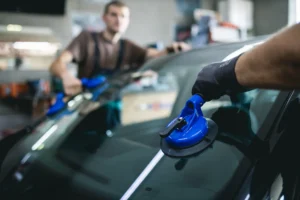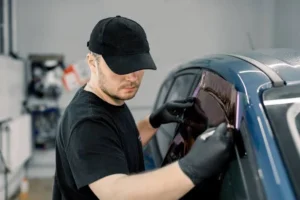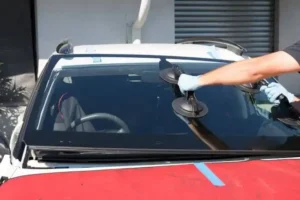

Dirty windows aren’t always dirty on the outside. The inside of your car windows can gradually develop a layer of dust, fingerprints, grease, smoke residue, and other buildup. The windshield can be especially frustrating because even a thin film can become much more noticeable when sunlight or headlights hit the glass.
Knowing How To Clean Car Windows From Inside properly can help you maintain clearer glass without spreading residue onto your dashboard, damaging window tint, or leaving behind streaks.
The good news is that you don’t need complicated equipment. With the right microfiber cloths, an appropriate glass cleaner, and a simple technique, you can clean your interior car windows effectively at home.
Quick Answer: How To Clean Car Windows From Inside
The best approach is to work on cool glass with a clean microfiber cloth and a suitable automotive glass cleaner.
Start by removing loose dust from the glass and surrounding areas. Apply a small amount of cleaner to a microfiber cloth rather than heavily spraying the windshield or side windows. Wipe the glass in overlapping sections, paying extra attention to greasy areas and corners. Then use a second, completely dry microfiber cloth to buff the glass until it is clear and streak-free.
For tinted windows, use a cleaner specifically labeled as safe for automotive window tint and avoid abrasive materials.
If marks remain after thorough cleaning, the problem may be scratches, pitting, chips, or other glass damage rather than dirt.
Why Do Car Windows Get Dirty on the Inside?
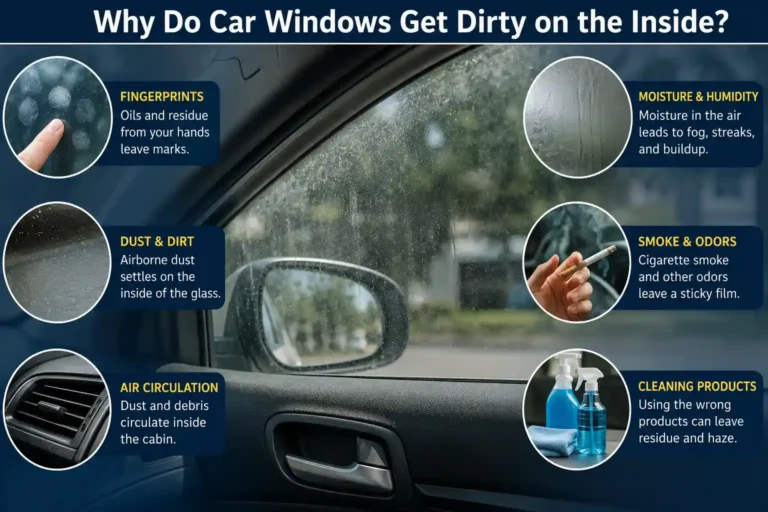
Interior glass can collect more buildup than many car owners realize.
Common sources include:
- Dust from the vehicle’s interior
- Fingerprints
- Skin oils
- Cleaning-product residue
- Smoke or vapor residue
- Plastic and vinyl off-gassing
- Moisture and condensation
- Food and drink splashes
- Pet-related residue
The windshield can develop a particularly noticeable film because the dashboard and other interior materials are constantly exposed to sunlight and changing temperatures.
This film may not look serious when the vehicle is parked. However, direct sunlight can make it appear hazy, while nighttime headlights can highlight streaks and smudges.
That’s why regular interior glass cleaning is more than a cosmetic task. Clear glass can make it easier to see through the windshield and side windows.
What Do You Need to Clean Car Windows From Inside?
You don’t need a large collection of detailing products.
For most vehicles, gather:
- 2 or more clean microfiber cloths
- An automotive glass cleaner
- A soft detailing brush or clean cloth for loose dust
- Water if recommended for your chosen cleaning method
- A clean, dry towel for final buffing
Choose microfiber cloths that are clean and free from particles that could scratch or contaminate the glass.
Avoid using the same cloth for the dashboard and windows. Interior surfaces can contain oils, dressings, and other residues that may simply transfer back onto the glass.
How To Clean Car Windows From Inside: Step-by-Step
Step 1: Park in a Suitable Location
Start by parking your car somewhere shaded or indoors if possible.
Glass that is very hot can cause cleaning products to dry quickly. When that happens, you may end up chasing streaks instead of removing them.
A cooler surface gives you more time to wipe and buff the cleaner properly.
Step 2: Remove Loose Dust
Before applying cleaner, remove loose dust from the glass and nearby surfaces.
You can use a clean microfiber cloth to gently remove visible dust.
This step matters because rubbing heavy dust or grit across the glass can make cleaning more difficult.
Also wipe away loose debris around the edges of the windshield and side windows.
Step 3: Apply Cleaner Carefully
Don’t soak the interior of your car with glass cleaner.
Instead, apply a small amount of suitable cleaner to your microfiber cloth.
This gives you better control and reduces the chance of overspray reaching:
- Dashboard surfaces
- Electronic controls
- Speakers
- Air vents
- Door panels
- Other interior trim
If you are using a commercial automotive glass cleaner, follow its label instructions.
Step 4: Clean the Glass in Sections
Work on one section at a time.
For example, divide the windshield into several manageable areas rather than wiping randomly across the entire surface.
Use overlapping strokes to loosen the film and residue.
Pay particular attention to:
- Lower corners
- Edges
- Areas behind the steering wheel
- Places touched frequently
- Areas where the windshield looks hazy
Don’t immediately move to another area before you’ve properly wiped the first one.
Step 5: Use a Second Dry Microfiber Cloth
Once you’ve cleaned a section, take a second clean microfiber cloth and buff the glass.
The first cloth removes the dirt and is cleaner. The second cloth helps remove remaining moisture and residue.
This simple two-cloth approach can make it much easier to achieve a clear finish.
If the second cloth becomes damp or dirty, switch to another clean one.
Step 6: Check the Glass From Different Angles
Don’t assume the glass is clean just because it looks clear from the driver’s seat.
Change your viewing angle and look at the windshield in natural light.
If you notice lines or cloudy patches, lightly buff those areas with a dry microfiber cloth.
This final inspection is particularly useful for finding streaks that aren’t immediately visible.
How to Clean Inside Car Windows Without Streaks
Learning how to clean inside car windows is only half the job. Getting a streak-free result depends heavily on technique.
Here are some useful habits:
Use Clean Microfiber Cloths
A dirty cloth can redistribute oil and residue instead of removing it.
Don’t Use Too Much Cleaner
More product doesn’t necessarily mean cleaner glass. Excess liquid can leave residue behind and make drying more difficult.
Work in Small Areas
Small sections make it easier to completely remove the cleaner before it dries.
Buff With a Dry Cloth
A final dry wipe can remove the thin film left behind after the initial cleaning.
Don’t Clean Hot Glass
Excess heat can cause cleaning products to evaporate too quickly.
How to Clean the Inside of a Windshield
The windshield is often the most difficult piece of glass to clean because of its size and angle.
Start from the passenger side if that gives you better access to the lower and central areas.
For the lower section near the dashboard, fold the microfiber cloth into a smaller shape so you can reach tight spaces.
You can also use a clean, soft tool designed for interior windshield cleaning if reaching the glass is difficult.
Avoid pushing hard against the windshield.
The goal is to remove the film, not force the cloth into every corner with excessive pressure.
Once the windshield is clean, inspect it from the driver’s position.
How to Clean Car Interior Windows on the Side
Side windows are generally easier to reach, but they have another concern: nearby door trim.
When cleaning them, lower the window slightly if necessary so you can reach the upper edge of the glass.
Clean the visible glass first, then carefully wipe around the edges.
Don’t flood the area with cleaner. Excess liquid can run toward the door panel or other components.
If your vehicle has tinted windows, confirm that your cleaner is suitable for the type of tint installed.
How to Clean Tinted Car Windows
Tinted automotive glass requires extra care.
Before cleaning, check the tint manufacturer’s care recommendations when available.
A practical approach is to:
- Use a soft, clean microfiber cloth.
- Choose a cleaner specifically labeled as safe for automotive tint.
- Avoid abrasive pads or rough materials.
- Don’t scrape the glass unnecessarily.
- Use gentle pressure while wiping.
If you’re unsure whether a particular product is safe for your tint, check the product instructions before applying it.
What Is the Best Way to Clean Inside Car Windows?
The best way to clean inside car windows is a controlled process rather than simply spraying the glass and wiping it once.
A good routine is:
Dust → Clean → Buff → Inspect
First remove loose debris. Then clean the glass with an appropriate product and microfiber cloth. Follow with a dry microfiber cloth to buff away residue. Finally, inspect the glass from multiple angles.
This method helps identify the areas that need additional attention without repeatedly soaking the entire window.
Common Mistakes to Avoid
Using the Same Cloth for Everything
A cloth used on the dashboard may contain oils or interior protectant. Using it on the glass can leave a film.
Spraying Excessively
Too much liquid can run into areas where you don’t want it.
Cleaning With Paper Towels
Some paper products can leave lint or particles behind. A clean microfiber cloth is generally a more practical option for automotive glass.
Ignoring the Edges
The edges and corners can hold dirt that later spreads back onto the clean glass.
Using Abrasive Materials
Avoid anything that could scratch the glass or affect window tint.
Cleaning in Direct Heat
If the cleaner dries before you wipe it properly, streaks can become more difficult to remove.
How Often Should You Clean Car Windows From Inside?
There’s no single schedule that works for every vehicle.
A car used daily, especially by multiple passengers, may need interior glass cleaning more frequently than a vehicle used occasionally.
Consider cleaning the windows whenever you notice:
- Visible fingerprints
- Hazy film
- Smudges
- Reduced clarity
- Heavy dust
- Increased glare at certain angles
If you smoke or vape inside the vehicle, transport pets frequently, or regularly have children as passengers, the interior glass may accumulate residue faster.
A quick inspection every few weeks can help you decide when cleaning is needed.
What If Cleaning Doesn’t Remove the Mark?
Not every mark on automotive glass is dirt.
If you’ve properly cleaned and buffed an area but the mark remains, examine it closely.
It could be:
- A scratch
- A chip
- Pitting
- Permanent staining
- Damage to the glass surface
- Damage related to window tint
Don’t keep scrubbing aggressively in an attempt to remove something that isn’t surface contamination.
Excessive pressure or abrasive materials can make the situation worse.
When Should You Consider Professional Glass Service?
Cleaning can remove dirt, grease, fingerprints, and ordinary interior film. It cannot repair damaged glass.
If you notice a crack, significant chip, deep scratch, or other damage that affects visibility, professional evaluation may be appropriate.
For vehicle owners searching for car window replacement in austin, getting the glass assessed by an auto-glass professional can help determine whether repair or replacement is appropriate.
Texas Reliable Auto Glass can provide professional assistance when the problem involves damaged automotive glass rather than ordinary surface dirt.

Final Thoughts
Learning How To Clean Car Windows From Inside doesn’t require complicated equipment. The key is using the right technique: remove loose dust, clean the glass in manageable sections, use a controlled amount of suitable cleaner, and finish with a clean, dry microfiber cloth.
For the best way to clean car windows inside, focus on removing the film rather than simply making the glass wet. Clean cloths, controlled product application, and a final inspection from different angles can make a noticeable difference.
Remember that cleaning only solves surface problems. If a mark remains after proper cleaning or you find a crack, chip, or significant scratch, the glass may need professional attention.
Frequently Asked Questions
What is the best way to clean car windows inside?
The best way to clean car windows inside is to use a clean microfiber cloth, a suitable automotive glass cleaner, and a second dry microfiber cloth for final buffing. Work in small sections and avoid using excessive cleaner.
How do you clean inside car windows without streaks?
Use a small amount of cleaner, wipe one section at a time, and finish with a dry microfiber cloth. Cleaning cool glass and avoiding excessive product can also make streak-free results easier.
What can I use to clean the inside of my car windows?
A clean microfiber cloth and an automotive glass cleaner are usually sufficient for routine interior glass cleaning. If your vehicle has tinted windows, choose a product labeled as safe for automotive tint.
Should I spray glass cleaner directly on my windshield?
Applying cleaner to the microfiber cloth can give you better control and reduce overspray onto the dashboard and surrounding interior surfaces.
Why does the inside of my windshield look greasy?
Interior windshield grease or film can come from fingerprints, smoke or vapor residue, dust, and materials inside the vehicle that release residue over time. Regular cleaning can help remove this buildup.
How do you clean car interior windows with tint?
Use a soft microfiber cloth and a cleaner specifically identified as safe for automotive window tint. Avoid abrasive materials and excessive pressure.
Why does my windshield still look hazy after cleaning?
The haze may be caused by remaining cleaner residue, an unclean microfiber cloth, or buildup that requires another cleaning pass. If the mark remains after proper cleaning, it may be related to glass damage rather than dirt.
Can I use household glass cleaner inside my car?
Check the product label before using any household cleaner on automotive glass, especially if the windows have aftermarket tint. A product specifically designed for automotive glass can be a more straightforward choice.