
Water spots on a windshield usually come from minerals left behind after water dries. Fresh spots can often be removed with a glass-safe cleaner, distilled water, and a clean microfiber towel. Older deposits may need a mild vinegar solution or a product made for mineral stains. The key is to work on cool glass and avoid abrasive tools that can scratch the surface.
If the marks remain after careful cleaning, the glass may have mineral etching instead of surface residue. This guide explains How to Remove Water Spots on Windshield, what causes them, which methods work, and when professional auto glass help makes sense.
What Causes Water Spots on a Windshield?
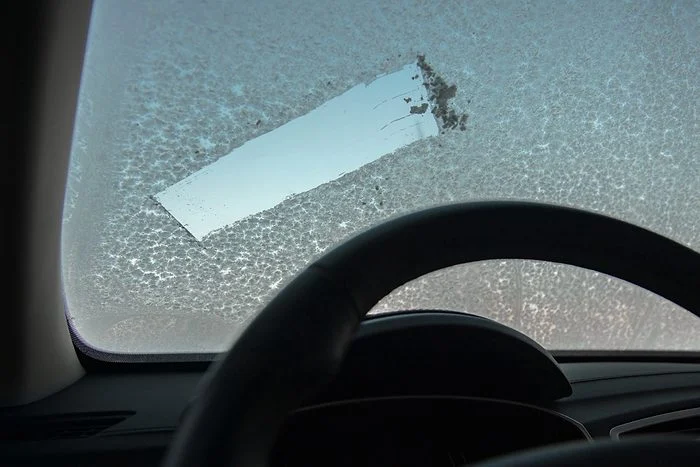
Water spots form when water dries and leaves minerals behind. These minerals can come from tap water, rain, sprinklers, car washes, or other sources.
Hard water contains minerals such as calcium and magnesium. When the water evaporates, those minerals stay on the glass.
You may notice small white circles after washing your car. They can look harmless at first. Over time, repeated deposits can become harder to remove.
Car wash water can also leave spots if the vehicle dries before the glass is wiped. Sprinkler water is another common cause, especially when a car is parked near a lawn.
Road grime can make the problem worse. Dust and dirt can mix with mineral residue and create a cloudy film.
Water spots are different from normal dirt. A regular glass cleaner may remove dirt but leave mineral deposits behind.
Signs of Hard Water Spots on Auto Glass
Not every mark on a windshield is a water spot. Knowing what you are looking at helps you choose the right cleaning method.
White or Gray Circular Marks
Hard water often leaves round spots or rings. They may become more visible when sunlight hits the glass.
Cloudy Glass
A mineral film can make the windshield look hazy. This can become more noticeable at night when headlights create glare.
Spots That Return After Cleaning
If normal glass cleaner removes the dirt but the marks remain, mineral deposits may be present.
Rough Feeling on the Glass
Run your clean fingertips gently across the dry glass. Mineral deposits can sometimes make the surface feel less smooth.
Do not press hard while testing. Small chips or damaged areas can be difficult to see.
Spots That Do Not Wipe Away
Fresh residue is easier to remove. Older deposits can bond more strongly to the glass.
If a mark remains after several safe cleaning attempts, the mineral may have etched the surface.
Tools Needed to Remove Water Spots
You do not need a large collection of products to clean mineral spots.
Start with:
- Clean microfiber towels
- Distilled water
- Automotive glass cleaner
- Spray bottle
- White vinegar
- Soft glass-safe cleaning pad
- Water spot remover made for automotive glass
Keep separate towels for glass cleaning. Towels used on paint can contain wax, dirt, or grit.
A clean microfiber towel is important because trapped dirt can scratch surfaces when rubbed against glass.
AAA recommends soft microfiber or cotton towels and non-ammonia glass cleaners for windshield cleaning.
How to Remove Water Spots on Windshield
The best method depends on how old and severe the spots are. Start with the least aggressive method.
Step 1: Park in a Shaded Area
Do not clean a hot windshield in direct sunlight.
Heat causes cleaning products to dry quickly. That can leave more streaks and residue.
Recent AAA guidance also recommends letting the glass cool before cleaning and avoiding sudden temperature changes.
Step 2: Rinse the Windshield
Rinse the glass with clean water.
This removes loose dirt and dust before you start rubbing.
Do not skip this step. Rubbing dry dirt across the glass can create fine scratches.
Step 3: Wash Away Surface Dirt
Use an automotive glass cleaner or mild car-wash solution.
Work from the top of the windshield toward the bottom.
Use a clean microfiber towel or suitable glass-cleaning tool.
Step 4: Try a Glass Cleaner First
Spray the cleaner onto your towel or according to the product directions.
Wipe the glass in straight passes. Turn the towel to a clean section as it collects dirt.
Dry the glass with a second clean microfiber towel.
If the spots disappear, you are done.
Step 5: Use a Mild Vinegar Solution
For mineral deposits that remain, a diluted white vinegar solution can help loosen residue.
Mix one part white vinegar with three parts distilled water.
Apply the solution to a microfiber towel rather than flooding the windshield.
Wipe the affected areas and allow the solution a short time to work. Do not let it dry on the glass.
AAA has also recommended diluted white vinegar solutions for windshield cleaning.
Step 6: Rinse and Dry the Glass
After treating the spots, rinse the windshield with clean water.
Dry it with a fresh microfiber towel.
Look at the glass from different angles. Sunlight can reveal marks that are hard to see indoors.
This basic process can help remove water spots from windshield surfaces when the deposits have not etched the glass.
How to Remove Stubborn Hard Water Stains
Older mineral deposits may require more work.
Start with a dedicated windshield spot remover made for automotive glass. Follow the label instructions carefully.
Do not assume that a household bathroom cleaner is safe for a vehicle windshield.
Apply the product to a small test area first. This lets you see how the glass reacts before treating the entire windshield.
Use gentle pressure. You are trying to dissolve or loosen the deposit, not grind it away.
If the spot remains after several safe attempts, stop increasing the pressure.
At this point, the glass may have mineral etching. More aggressive scrubbing can create scratches without restoring the glass.
AAA notes that special pre-cleaners can help with stubborn deposits and buildup on weathered windshields.
How to Remove Water Spots From Windshield With Vinegar
Vinegar can work well on light mineral deposits because its mild acidity can help break down mineral residue.
For a simple homemade solution, mix:
1 part white vinegar + 3 parts distilled water
Soak a clean microfiber towel with the mixture. Wring it out so it is damp rather than dripping.
Wipe the affected glass gently.
Do not leave the mixture sitting on the windshield for a long time. Wipe, rinse, and dry the glass after treatment.
If you have a windshield with a special coating, check the coating manufacturer’s cleaning instructions first.
Vinegar is not a universal solution for every glass problem. It will not repair chips, cracks, or permanent etching.
Other Homemade Solutions for Windshield Water Spots
Vinegar is the most useful household option for mineral residue, but cleaning technique matters more than using many ingredients.
Distilled Water
Distilled water contains fewer minerals than ordinary tap water.
It is useful for the final rinse because it reduces the chance of leaving new mineral residue.
AAA’s recent glass-cleaning guidance also highlights distilled water when making a homemade vinegar solution because tap water can add minerals to the glass.
Mild Soap and Water
For normal dirt, a mild soap solution can help clean the windshield before treating water spots.
It is not a strong mineral remover.
Avoid Mixing Cleaning Chemicals
Do not mix random cleaners together.
Different products can react in unexpected ways or leave residues on the glass.
Use one method at a time and rinse the glass before trying another product.
Mistakes to Avoid During Cleaning
Some cleaning methods can make a windshield problem worse.
Do Not Use a Razor Blade
A razor can scratch the glass if used incorrectly. It can also damage nearby trim or seals.
Do Not Use Abrasive Scouring Pads
Rough pads can create fine scratches that become visible in direct sunlight.
Do Not Scrub With Dry Dirt
Always remove loose dust and grit before rubbing the glass.
Do Not Clean a Hot Windshield
A very hot windshield can cause cleaners to dry before you wipe them away.
Rapid temperature changes can also stress damaged glass.
Do Not Use Harsh Chemicals Without Checking
Some cleaners can damage rubber, plastic, seals, or window tint.
AAA recommends non-ammonia glass cleaners for automotive glass.
Do Not Ignore Chips or Cracks
A chip hidden under a layer of dirt can be easy to miss.
Clean the glass carefully and inspect it before applying pressure.
How to Prevent Water Spots From Returning
Removing the spots is only half the job. Preventing new deposits saves time.
Dry the Windshield After Washing
Do not let the water dry naturally on the glass.
Use a clean microfiber towel to dry the windshield after washing.
Use Clean Water
Hard water can leave more mineral residue.
A final rinse with distilled water can help when water quality is a problem.
Park Away From Sprinklers
Do not park where lawn sprinklers spray the vehicle.
Repeated sprinkler exposure can create heavy mineral deposits.
Keep Wipers Clean
Dirty wipers can spread grime across the windshield.
Clean the blade rubber regularly and replace damaged blades.
Clean the Glass Regularly
Small deposits are easier to remove than thick, older buildup.
A quick glass cleaning after washing the vehicle can prevent spots from becoming stubborn.
Avoid Direct Sun During Washing
Wash the car when the glass is cool.
This gives you more time to wipe away water before it dries.
Can Water Spots Permanently Damage a Windshield?
Yes, repeated mineral deposits can eventually etch glass.
The longer mineral residue stays on the surface, the harder it can become to remove.
Etching is different from a removable water spot. Cleaning products may remove surface residue but cannot always restore glass that has been chemically or physically altered.
This is why early cleaning matters.
If the windshield remains cloudy after careful cleaning, do not keep using stronger abrasives. A professional can determine whether the problem is residue, coating damage, or glass etching.
When to Seek Professional Auto Glass Help
Home cleaning is reasonable for light mineral deposits. Professional help makes more sense when the problem does not respond to safe cleaning.
Contact an auto glass professional when:
- Water spots remain after careful cleaning
- The glass has deep mineral etching
- You see chips or cracks
- The windshield has deep scratches
- Visibility remains poor after cleaning
- A coating appears damaged
- You are unsure whether the mark is damage or residue
A windshield is more than a piece of glass. It can contribute to vehicle safety and, on many vehicles, supports proper operation of safety systems.
If cleaning does not restore clear visibility, replacement may be safer than continued polishing.
Can Professional Polishing Remove Windshield Water Spots?
Professional glass polishing can sometimes reduce mineral stains and light surface marks.
The result depends on the depth of the damage.
Surface residue is much easier to remove than deep etching. A professional can inspect the glass before deciding whether polishing is appropriate.
Do not assume that every windshield can be restored through polishing.
If the glass has deep scratches, cracks, chips, or serious damage, replacement may be the better option.
Conclusion
Learning How to Remove Water Spots on Windshield can help keep your glass clear without using harsh tools or unnecessary chemicals. Start with a cool windshield, remove loose dirt, use a glass-safe cleaner, and try diluted vinegar for light mineral deposits.
For stubborn stains, use a product designed for automotive glass and follow its instructions. Stop if the marks remain after safe cleaning because the glass may be etched.
If your windshield has permanent damage or poor visibility, professional help is the safer choice. For drivers who need Windshield Replacement in Austin TX, the team at Texas Reliable Auto Glass can inspect the glass and help determine whether repair or replacement is appropriate.
Regular washing, proper drying, clean wipers, and avoiding sprinkler water can also help prevent new spots.

Frequently Asked Questions
How to Remove Water Spots on Windshield quickly?
Start by rinsing the glass, removing dirt with an automotive glass cleaner, and drying it with a clean microfiber towel. For mineral spots that remain, try diluted white vinegar.
Can vinegar remove water spots from a windshield?
Yes, diluted white vinegar can help loosen many mineral deposits. Use a mild mixture, avoid letting it dry on the glass, and rinse the windshield afterward.
What is the best way to remove water spots from car windshield?
Start with the least aggressive method. Clean the glass first, then use a diluted vinegar solution or automotive water spot remover if mineral residue remains.
How do you remove windshield water spots without scratching the glass?
Use clean microfiber towels and glass-safe products. Avoid razor blades, rough scrub pads, dry dirt, and strong abrasive compounds.
Can hard water permanently stain a windshield?
Hard water deposits can become difficult to remove and may eventually etch the glass. Surface residue can often be cleaned, but deep etching may not be reversible.
What is the best windshield spot remover?
The best choice depends on the type and age of the deposit. Use a product labeled for automotive glass and follow its instructions rather than using a harsh household cleaner.