
Reliable Auto Glass

Texas Blog

What Is Windshield Calibration? Everything You Need to Know

What Is Windshield Calibration | Ultimate Guide

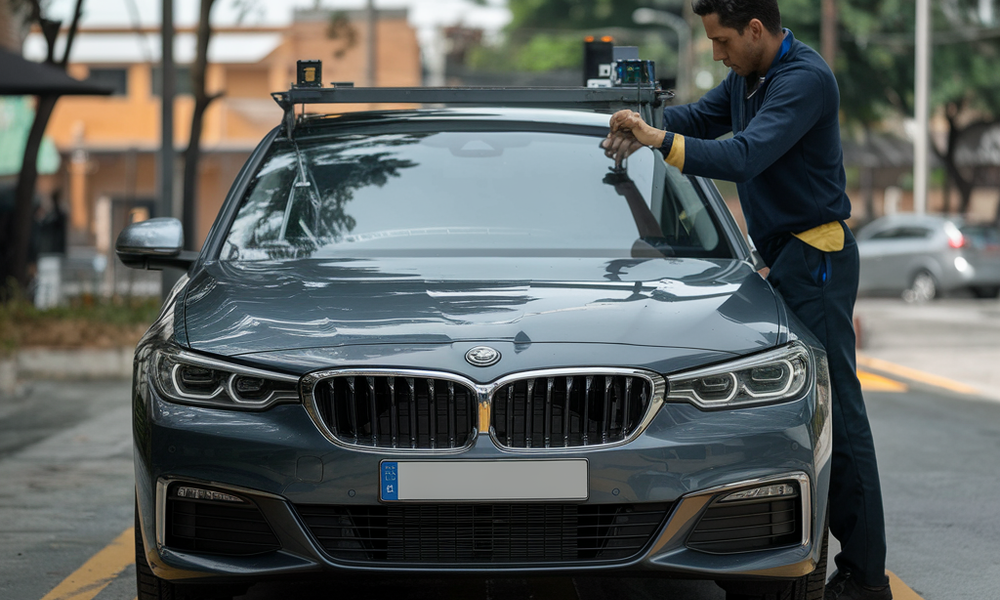
What is windshield calibration? It is the process of precisely adjusting the cameras and sensors mounted on a vehicle’s windshield to ensure they function correctly. Modern vehicles equipped with Advanced Driver Assistance Systems (ADAS) rely on these cameras for safety features like lane departure warnings, adaptive cruise control, and emergency braking. Without proper windshield ADAS calibration, these systems may not work as intended, increasing the risk of accidents. Whether due to a windshield replacement, accident, or sensor misalignment, calibration is essential to maintain the accuracy and reliability of your vehicle’s safety features. Process and Types of Windshield Calibration Talk To Windshield Calibration Expert Process of Recalibrating the ADAS Camera After Windshield Replacement Inspection – The technician checks the new windshield and the ADAS camera to ensure everything is properly installed. Connecting to the Vehicle’s System – A diagnostic tool is used to access the car’s computer and check the camera settings. Choosing the Right Calibration Method – Depending on the vehicle type, the technician will either perform static or dynamic calibration. Performing the Calibration – The camera is adjusted to make sure it aligns with the manufacturer’s specifications. Testing – The system is tested to confirm that all ADAS features are working correctly. Two Main Types of Calibration Static Calibration   This type of calibration is done in a controlled environment, like a workshop or service center. A technician places specific targets in front of the vehicle and uses a calibration tool to adjust the camera. The vehicle must remain still during this process. Dynamic Calibration   This type requires driving the vehicle on a straight road under specific conditions. The car’s system automatically adjusts the camera as it gathers real-time data from the road. The technician follows instructions provided by the manufacturer to ensure accurate calibration. Both methods are necessary depending on the vehicle model. Some vehicles require only one type, while others need both. If you need to calibrate the windshield, it is important to take your car to a professional who understands ADAS systems. Proper calibration ensures that safety features work as expected, keeping you and other drivers safe on the road. When Is Windshield Camera Calibration Necessary? The recalibration of windshield cameras is essential to ensure that ADAS (Advanced Driver Assistance Systems) functions correctly. If the camera is not properly aligned, features like lane departure warnings and automatic braking may not work as they should. Here are some situations where windshield camera recalibration is required: Windshield Replacement When replacing a windshield, the ADAS camera attached to it may shift, requiring recalibration. Even a slight misalignment can impact safety features. ADAS Sensor Misalignment Warnings If your vehicle displays a warning about ADAS sensor misalignment, it means the system has detected an issue with the camera’s position. Recalibration ensures accurate functioning. Vehicle Accidents or Collisions A crash, even a minor one, can affect the windshield camera’s position. Whether the impact is on the front, side, or rear of the vehicle, recalibration is necessary to restore accuracy. Suspension Modifications Affecting Camera Angles Changes to the vehicle’s height, such as new suspension parts or larger tires, can shift the camera’s viewing angle. This can interfere with how ADAS features operate, making recalibration essential. Ignoring the recalibration of windshield cameras can lead to faulty ADAS performance, increasing the risk of accidents. Always get your windshield camera recalibrated by a professional to ensure your safety on the road. How Adas Calibration Ensures Cameras And Sensors Work Accurately ADAS calibration ensures that the cameras and sensors in a vehicle are precisely aligned to function as intended. These systems play a key role in modern driving safety. When the windshield is replaced, windshield sensor calibration is critical, as sensors integrated into the windshield, like those for lane departure warning, adaptive cruise control, and automatic emergency braking, rely on precise calibration to operate effectively. Without it, even slight misalignments could compromise the performance of these systems. How Calibration Affects Safety Features Lane Departure Warning The lane departure warning system uses cameras and sensors to detect lane markings. If these sensors are not calibrated correctly, the system may fail to pick up on lane markings, resulting in incorrect warnings or no warnings at all. This can lead to unintentional lane drifts, increasing the risk of accidents, especially on highways or busy streets where lane discipline is crucial. Adaptive Cruise Control Adaptive cruise control relies on radar and cameras to monitor traffic conditions and adjust the vehicle’s speed accordingly. If the sensors are out of alignment, the system might not detect vehicles at the right distance or might make abrupt speed changes, causing erratic driving behavior. This could be dangerous, especially in heavy traffic, as the system may fail to respond properly to surrounding vehicles. Automatic Emergency Braking Automatic emergency braking is designed to detect imminent collisions and apply the brakes to avoid or reduce the impact. However, if the sensors are misaligned due to improper calibration, they may not detect obstacles or other vehicles in time. This can lead to delayed braking or failure to activate at all, significantly reducing the vehicle’s safety features in emergency situations. When to Perform Windshield Sensor Calibration To ensure that these safety systems function correctly, windshield sensor calibration should be performed any time the windshield is replaced, after a minor accident, or when any repair affects the sensors’ alignment. This calibration ensures that all ADAS features respond accurately, maintaining optimal safety and performance. Failing to calibrate the sensors could lead to unsafe driving conditions and undermine the effectiveness of the vehicle’s advanced safety systems. Proper calibration keeps these systems working as they were designed to, offering drivers peace of mind and a safer driving experience. You can also get a service of windshield replacement in Austin. How Do I Know If My Vehicle Has ADAS? Advanced Driver Assistance Systems (ADAS) are common in modern cars. Here’s how to identify if your vehicle is equipped with them. Common Indicators of ADAS Features Lane Departure Warning – Notifies you when you

What Is Windshield Calibration | Ultimate Guide Read More »
How Much Does It Cost To Unclog Sunroof Drain? | 2026 Guide

How Much Does It Cost To Unclog Sunroof Drain? [2026 Guide]

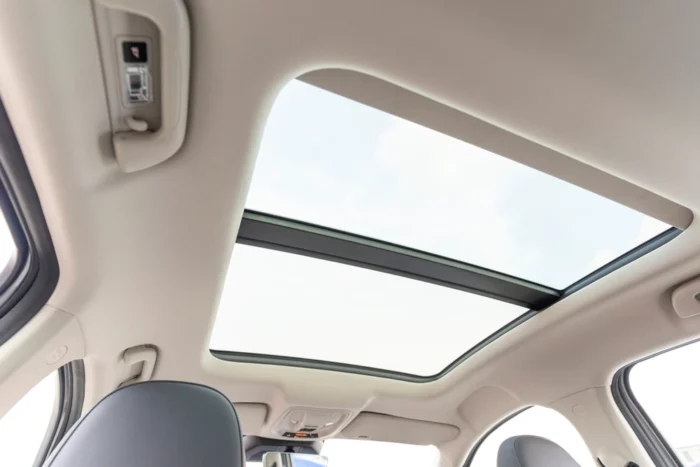
A blocked sunroof drain is bad news for your drive and it makes the whole thing very unpleasant. You do not want water to get inside your car because it will make a mess. Water can collect inside your car. It can drip on your seats and that is not what you want. The sunroof drain can even damage the parts of your car like the things that make your car work.  A blocked sunroof drain is never a thing, for your car.  The good news is that fixing a clogged sunroof drain is really easy. It does not cost a lot of money which’s a big relief for car owners, like you, who have a clogged sunroof drain. Fixing a clogged sunroof drain is something that you can do. It will not cost you a lot of money to fix your clogged sunroof drain.  How much does it cost to unclog sunroof drain? Professional sunroof drain cleaning typically costs between $75 to $200, depending on severity and location. DIY methods can cost under $20 with basic tools. Causes Of Sunroof Drain Clog Talk To Sunroof Repair Expert Debris is the main reason for a clogged sunroof drain. Most cars spend a lot of time parked outside. This exposes the sunroof area to nature. Over time, small things build up in the tracks. Leaves and Twigs: Small bits of leaves can fall into the tracks when the sunroof is open. Pine Needles: These are thin and can slide deep into the drain tubes very easily. Dirt and Dust: Even if you keep the roof closed, fine dust mixes with rain to create mud. Spider Webs: Small insects can sometimes build nests inside the exit points of the tubes. Tree Sap: Sticky sap can trap other debris and create a hard plug inside the line. Most clogs happen at the top entrance of the tube. However, some clogs occur at the bottom exit where the tube narrows. Common Warning Signs of a Clogged Drain You should check your drains if you see any water inside your car. Most people notice a problem after a big storm. Here are the most common signs that you have a clogged sunroof drain. Wet Floor Mats: Water often leaks down the pillars and pools on the floor. Damp Headliner: Stains on the fabric ceiling of your car are a major red flag. Musty Odor: A bad smell usually means mold is growing under your carpets. Foggy Windows: Excess moisture inside the car causes the glass to fog up constantly. Sloshing Sounds: You might hear water moving around in the roof or doors while you drive. Essential Tools and Supplies for Unclogging a Sunroof Drain When you decide to handle this yourself, you’ll find that you won’t need much at all. Most of what you need is probably already in your garage, and anything else costs just a few bucks at the hardware store. Essential Tools and Supplies for Unclogging a Sunroof Drain Flexible Plastic Line (Weed Whacker Line): This is the MVP. It’s flexible enough to bend around corners but firm enough to push through blockages. Avoid metal coat hangers—they can puncture the drain walls. Compressed Air: A standard electronics duster works perfectly for blowing out loose dirt and debris. Use quick, gentle puffs—too much pressure could pop the tubes off. Small Pitcher or Squirt Bottle: Use this for the final test. Fill it with clean water to verify everything’s flowing smoothly to the ground. Mild Soapy Water and Microfiber Cloth: Wipe down the sunroof tracks first so you’re not pushing gunk right back into the drains you just cleaned. Thin Pipe Cleaner or Sunroof Brush: For sticky residue like tree sap or bird droppings at the drain opening that the plastic line can’t remove. Flashlight: Those drainage holes hide in dark corners. A good light lets you see what you’re doing. How to Unclog Sunroof Drain by Yourself Fixing a blocked sunroof drain, by yourself is a way to save money and keep the inside of your car dry. This is really easy to do. You only need a few things that you probably have at home. To get rid of the lines safely you have to do it in a way. The lines need to be cleared so that everything’s okay. Clearing the lines is very important, for the lines. Locate the Drain Holes To start you need to find the drain holes. Open your sunroof all the way. Take a look at the front corners of the track tray. The sunroof has these holes in the front corners. They are there to help water drain out of the sunroof. The drain holes are small. Are supposed to direct water away, from the sunroof. Use a Line You should not use metal hangers because they can puncture the rubber tubing. Instead you should use a plastic weed whacker line. Now gently feed the plastic weed whacker line into the hole. Move the plastic weed whacker line back and forth to break up any debris that’s, inside the tubing. This will help the plastic weed whacker line to go through the rubber tubing easily. Use Compressed Air A can of electronics air duster is what you need to use. It works well. You should not use those high-pressure shop compressors. They can actually blow the tubes off their connectors. So just use gentle bursts of Compressed Air to clear the path. This way you can be careful, with the Compressed Air. It will do the job. Flush with Water The Water Test Slowly pour a small cup of water into the tray. If it disappears quickly and you see a puddle on the ground under the car, your clogged sunroof drain is officially cleared. How Much Does It Cost to Unclog Sunroof Drain The sunroof drain clogged cost varies based on several factors. Understanding these costs helps you budget properly. DIY costs range from $10 to $30. You’ll need compressed air, flexible wire,

How Much Does It Cost To Unclog Sunroof Drain? [2026 Guide] Read More »

What If It Rains After Windshield Replacement? Find Out Now

What If It Rains After Windshield Replacement? | Safe Guide

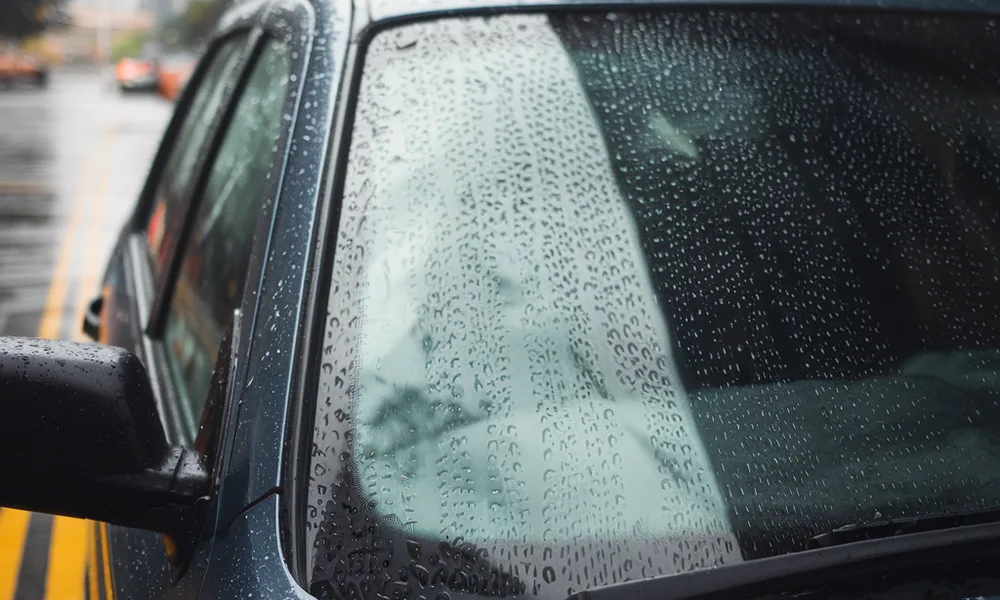
Concerned about what if it rains after windshield replacement, you are not alone. It is one of the top things that drivers worry about after having new auto glass installed. The good news is? Modern auto glass adhesives are moisture-resistant. Actually, most Urethane adhesives cure better in a moist atmosphere.Heavy rain can really mess up the curing process in an hour. The same thing can happen with a storm or if someone uses a pressure washer. So you need to be careful during that hour. Stay out of the really bad weather for the first 24 hours for curing. The curing is critical in the first hour, and it should be protected from extreme weather for 24 hours during the curing.This comprehensive guide will show you everything you need to understand about rain exposure, curing time, and how to shield your new windshield without worrying about the weather report. Why Windshield Replacement Matters Your windshield is really more than a piece of glass. It’s a big part of the structure of your car. In a crash, it can account for up to 60% of the strength of the passenger compartment, act as a brace to prevent the roof from collapsing, and ensure proper airbag deployment. A windshield has to be bonded to the metal frame of your car. That bond is formed with specialized urethane adhesives that take a certain amount of time to cure. Any compromise to the bond whether from rain, vibrations, or errors in installation is endangering your life. loadPlayThis is why it’s as important to know what to do if it rains after a windshield replacement as it is to know how to care for a windshield replacement in general, so that you can protect your investment and your safety. What If It Rains After Windshield Replacement? People often feel anxious when they see dark clouds coming after their appointment. The Build Up Is: Light rain is generally not harmful. The moisture in the air is used by the glue while it’scuring. Heavy rain during the first hour can cause issues. High water pressure can mess with the seal. If water collects where the seal is, it can also disrupt it before it fully sets. You got your car window replaced, and now you see rain, no big deal. The paste hardening commences in a few minutes. Will Rain Affect a New Windshield? One of the largest myths is that water can dissolve the adhesive. It’s not so. Modern urethane adhesives are so thick and strong that they are not water-soluble. But while water won’t dissolve the glue, an excess of that liquid too early in the process might create issues: 1. Water seeping under the seal When it is raining, and the rain is pounding on the glass before the curing process of the adhesive starts, the water from the rain may be able to get into the bonding area of the glass. 2. Creation of air gaps Moisture pressure can make gaps in the urethane. These gaps can cause a whistling sound. They can also lead to water leaks. 3. Interference with initial chemical bonding The glass-to-metal bond is made in the first few minutes. Too much pressure from falling rain can cause that to fail. If you’re asking how long after windshield replacement it can get wet, then the answer is: Light rain after 1 hour. OK for light rain after 1 hour. This will help the adhesive develop maximum bonding strength. Rain and Its Impact on Fresh Windshield Installations You can achieve good whaop(rebound) when raining with water meets urethane adhesives, because now we know what happens when water meets urethane. Urethane adhesives, such as moisture-cured urethane, cure upon exposure to moisture in the air. That is why urethane adhesives are so good for putting in a windshield, even on a humid day (which is probably not something a lot of people consider about urethane adhesives). But there is a point of no return:   Light moisture = good for curing   Too much water = possibly harmful before initial set-up Installers who are experienced with premium adhesives know how to shield your vehicle during the install. Many also perform their work in temperate climate-controlled environments. It’s when curing starts that rain turns into an all-clear. What to Do If It Rains After Installation If it begins to rain after your appointment, here’s how to handle it: 1. Stay calm Your windshield is probably just fine. Light rain is no big deal. 2. Keep the windows slightly cracked  This way, there is no change in cabin pressure to stretch the new seal. 3. Avoid car washes for at least 24 hours  High-pressure jets can harm even partially cured adhesive. 4. Be gentle when closing your doors The door slams, air pressure inside goes up, then down, producing a vacuum that would suck the door seal. 5. Leave any protective tape in place When it’s raining cats and dogs for an hour or more, best to move the car to a carport, garage, or under the canopy of a gas station so the adhesive can, at least at first, “set up”. You can also read about:  ford windshield replacement. Potential Risks of Rain Exposure (If Not Properly Installed) If it’s pouring down and it’s for an hour, and after that, you have to take your car to the carport, garage, or to a gas station canopy so the glue has a chance to set before you bring it in. The best-known installation mistakes usually make themselves known in the rain, although they were always present. 1. Poor surface preparation  If the surfaces to be bonded are not clean and/or the product is not applied as instructed by the technician, the glue will not work. The glue needs a surface to stick to to work. 2. Use of low-quality adhesive Lower quality urethane adhesive may not cure well, as it should, which means the assembly will be exposed to moisture. 3. Not applying enough adhesive  A thin layer or missing patches result in natural leak points. 4. Rushed installation Not priming or following the cure time directions also weakens the bond. In these cases, rain is not

What If It Rains After Windshield Replacement? | Safe Guide Read More »

What Are the Black Dots on My Windshield? Find Out Now

What Are The Black Dots On My Windshield

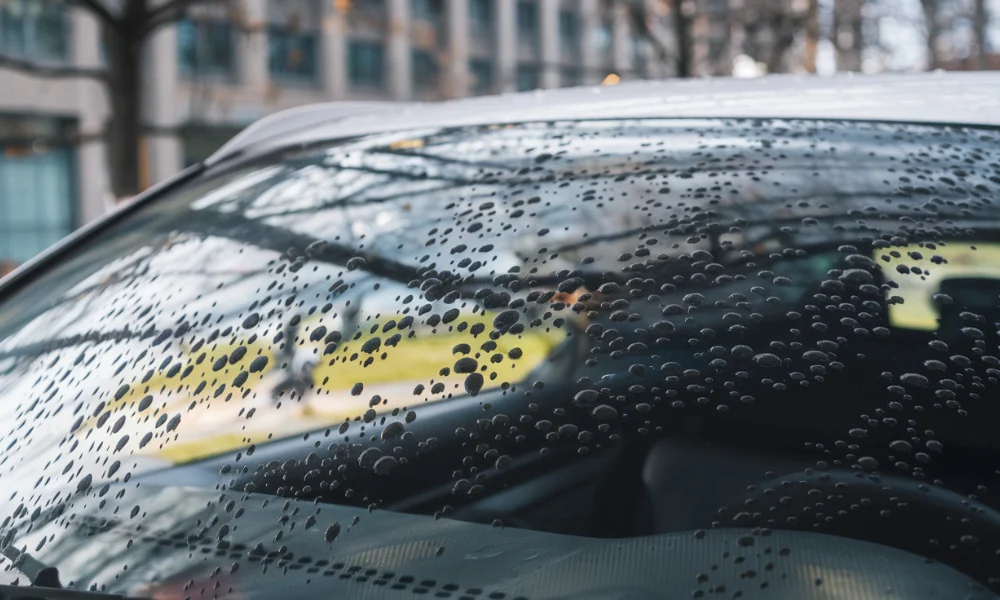
What are the black dots on my windshield? These small dots, known as the “frit,” are a ceramic paint layer baked into the glass during manufacturing. They serve both functional and aesthetic purposes, helping with even temperature distribution to reduce the risk of cracks and providing a smooth transition between the clear glass and the shaded band at the top. Many car owners worry when they notice these black dots, thinking they might be defects or signs of damage. However, the black dots windshield feature is intentionally designed to improve durability, enhance sun protection, and help adhesives bond securely when replacing the windshield. The Purpose of Black Dots on Windshields The black dots on car windshield serve both functional and aesthetic purposes. These dots, known as the “frit,” are part of the black ceramic border around the edges of the windshield. Functional Reasons for Black Dots on Car Windshield Helps in Temperature ControlWhen the windshield is exposed to sunlight, the glass can heat up quickly. The black border and dots create a gradual transition between the shaded edge and the clear glass, reducing the risk of sudden temperature changes that can cause cracks. Improves Adhesion of the WindshieldThe black border and dots help the adhesive used to hold the windshield in place bond better to the glass. This ensures a secure fit and prevents the windshield from loosening over time. Reduces Sun GlareThe black dots on car windshield help diffuse sunlight, reducing glare for the driver. This makes it easier to drive in bright conditions without being distracted by harsh light reflections. Aesthetic Reasons for Black Dots on Car Windshield Enhances Visual AppealThe dots create a smooth transition between the black border and the clear glass, making the windshield look more polished and integrated with the car’s design. Hides Manufacturing ImperfectionsThe black ceramic border and dots help mask small defects that may occur during the windshield production process, ensuring a cleaner look. The black dots on car windshield play an essential role in maintaining safety, improving durability, and enhancing the overall look of the vehicle. While they may seem like a minor detail, they contribute to both the function and appearance of the windshield. Different Dots Have Different Purposes on Your Windshield The dots on windshield are more than just a design feature. These dots, part of a gradient pattern called the “frit,” serve multiple functions that improve the windshield’s durability, safety, and overall performance. They help regulate temperature, reduce glare, and ensure proper adhesion of the windshield to the vehicle. Understanding the Gradient Pattern (Frit) and Its Functions The black border around the edges of a windshield, along with the gradual fading dots on windshield, is called the frit. This pattern is made of ceramic paint, which is baked onto the glass during manufacturing. Temperature Control and Crack Prevention The black border absorbs heat from the sun, and without a gradual transition, the clear glass next to it could expand unevenly, causing stress cracks. The dots on windshield create a gradient effect, which helps distribute heat more evenly and prevents the sudden expansion that can lead to glass damage. Sun Glare Reduction When sunlight hits the windshield, it can create a sharp contrast between the dark edge and the clear glass, which may cause distracting glare. The dots help diffuse this contrast, softening the transition and reducing eye strain for the driver. How Dots Improve Windshield Bonding and Adhesion Stronger Adhesive Grip The black ceramic frit, along with the dots on windshield, plays a critical role in ensuring that the windshield adhesive properly bonds to the frame of the car. Without these dots, the adhesive might not stick as securely, increasing the risk of windshield displacement over time. UV Protection for Adhesive Longevity Prolonged exposure to UV rays can weaken adhesives used to attach the windshield to the car. The frit and its dot pattern act as a shield, preventing UV rays from breaking down the adhesive and ensuring the windshield remains firmly in place. Other Aesthetic and Functional Benefits of Windshield Dots Enhancing Visual Appeal The dots on windshield create a smooth transition from the black border to the clear glass, making the windshield look more integrated with the car’s design. Hiding Manufacturing Imperfections The frit and dots help mask small inconsistencies or imperfections that may occur during the windshield production process, giving it a cleaner finish. You can also read about How To Clean The Inside Of Your Car Windshield. Black Dots’ Effects on the Windscreen The windshield dots are more than just a design feature. These small black ceramic dots, part of the frit pattern, play a crucial role in improving windshield durability, reducing glare, and enhancing driving comfort. Understanding their function can help drivers appreciate why they are an essential part of every vehicle’s windshield. How Windshield Dots Contribute to Durability Prevents Thermal Stress Cracks The black border around the windshield absorbs heat from sunlight, creating a temperature difference between the edges and the clear glass. The windshield dots create a gradual transition, helping to evenly distribute heat. This prevents sudden expansion that could lead to cracks in the glass. Protects the Windshield Adhesive The black frit and windshield dots help secure the windshield to the car frame by providing a better grip for the adhesive. These dots also block harmful UV rays, preventing the adhesive from deteriorating over time, which ensures that the windshield remains firmly in place. Enhances Longevity of the Windshield By reducing heat stress and protecting adhesive integrity, the windshield dots help extend the overall lifespan of the windshield, reducing the likelihood of early replacement. Impact on Driving Visibility and Comfort Reduces Sun Glare A sharp contrast between the dark border and clear glass can cause glare, which may be distracting while driving. The windshield dots help diffuse this contrast, softening the transition and reducing the amount of bright light entering the car. Minimizes Eye Strain By reducing sudden brightness changes, the dots prevent discomfort for the driver’s eyes, especially

What Are The Black Dots On My Windshield Read More »

What Is The Difference Between A Sunroof And A Moonroof

What Is The Difference Between A Sunroof And A Moonroof

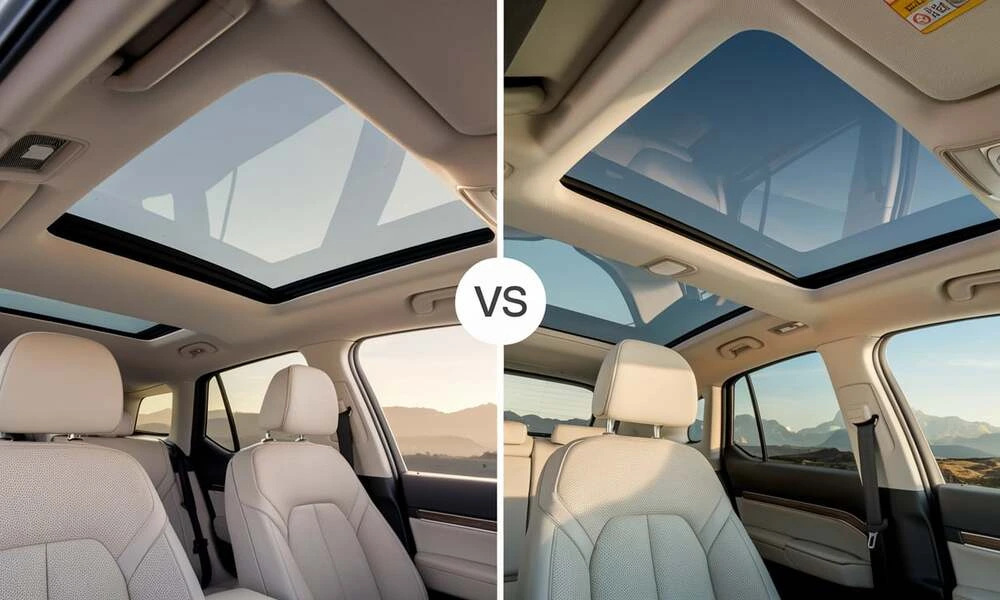
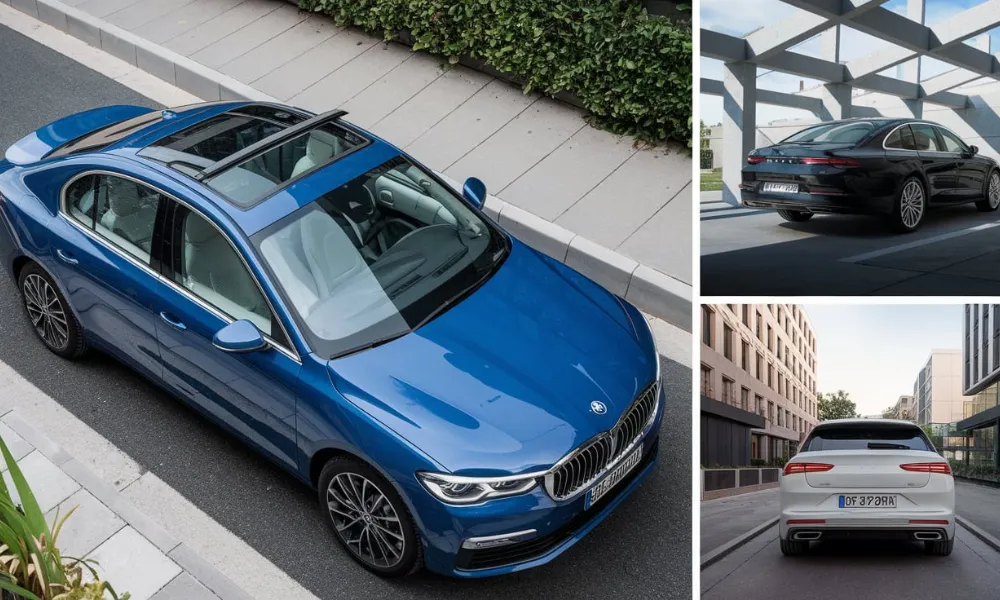
Sunroof or moonroof—which one is right for your vehicle? Many car buyers often confuse these two terms, assuming they mean the same thing. While both provide an opening in the vehicle’s roof to let in light and fresh air, there are key differences between them. A sunroof is typically a solid, opaque panel that can tilt or slide open, while a moonroof is a transparent or tinted glass panel that usually slides between the roof and the headliner. Understanding this distinction is crucial when purchasing a car, as it helps buyers make informed decisions based on their preferences for ventilation, aesthetics, and functionality. What Is a Sunroof? A sunroof is a movable panel on the roof of a vehicle that allows fresh air and natural light into the cabin. It can be manually or electronically operated, depending on the vehicle model. Materials Used in a Sunroof Sunroofs are typically made from: Tempered or laminated glass – Most modern vehicles use glass sunroofs, often tinted to reduce glare and UV exposure. Metal panels – Some older models or specific vehicle designs use metal sunroofs that slide open or tilt. Opaque composite panels – These are less common but provide a solid covering when closed. Functionality and How It Opens Sunroofs operate in different ways: Pop-up sunroof – A manually operated panel that tilts upward for ventilation. Spoiler sunroof – A panel that tilts up and slides back partially over the roof. Inbuilt sunroof – A sliding panel that retracts into the car’s roof. Panoramic sunroof – A large, multi-panel design covering most of the roof, usually made of glass. Common Vehicles with Sunroofs Many car manufacturers offer sunroofs in their models, including: Honda Accord Toyota Camry Ford Explorer BMW 3 Series Audi A4 Difference Between Sunroof and Moonroof People often use “sunroof” and “moonroof” interchangeably, but there is a key difference. A sunroof can be made of metal or glass and is designed to tilt or slide open. A moonroof is always made of tinted glass and typically slides between the vehicle’s roof and headliner. Moonroofs provide an open-air feel while still offering protection from sunlight. What Is a Moonroof? A moonroof is a type of glass panel on a vehicle’s roof that allows natural light and fresh air inside. Unlike a traditional sunroof, a moonroof is usually made of tinted glass and can tilt or slide open electrically. Differences in Design Compared to a Sunroof Feature Moonroof Sunroof Material Tinted glass Metal or opaque panel Operation Usually slides or tilts open Can be removed or flipped open Visibility Always visible even when closed Covered by a solid panel when closed Common Mechanism Power-operated Manual or power-operated A sunroof was originally a solid, body-colored panel that could be removed or tilted open. Modern cars mostly use moonroofs because they are more convenient, stylish, and allow for more natural light inside the cabin. Why Modern Cars Mostly Have Moonroofs Instead of Sunroofs Aesthetic Appeal – Glass moonroofs look more modern and luxurious. Convenience – Power-operated moonroofs are easier to use than manual sunroofs. Better Visibility – Even when closed, a moonroof allows light inside. Improved Technology – Tinted glass and UV protection make moonroofs more practical. Consumer Demand – Buyers prefer panoramic moonroofs over traditional sunroofs. Common Vehicles with Moonroofs Many manufacturers include moonroofs in their models, either as a standard or optional feature. Some popular vehicles with moonroofs include: Sedans: Honda Accord, Toyota Camry, BMW 3 Series SUVs: Toyota RAV4, Ford Explorer, Tesla Model Y Luxury Cars: Mercedes-Benz S-Class, Audi A6, Lexus RX Trucks: Ford F-150, RAM 1500, Chevrolet Silverado What is the Difference Between a Sunroof and a Moonroof? When it comes to car roof options, many drivers confuse moonroofs and sunroofs as the same feature. While both enhance ventilation and natural light, they have distinct structural, functional, and aesthetic differences. Let’s break down the moonroof vs sunroof comparison. 1. Structure and Material A sunroof is a solid, opaque metal panel that matches the car’s body. It can be manually or electronically tilted or removed to allow airflow. On the other hand, a moonroof is a transparent or tinted glass panel that slides or tilts open but cannot be removed. Sunroof: Metal panel, blends with the car’s roof Moonroof: Glass panel, provides a see-through view 2. Differences in How They Open and Operate Sunroof: Traditionally, a sunroof can either pop up slightly for ventilation or be fully removed in some models. Older sunroofs were often manually operated. Moonroof: Modern moonroofs are typically power-operated, sliding between the roof liner and car roof for seamless functionality. 3. Visibility and Aesthetic Differences One major difference in the moonroof vs sunroof debate is visibility. A sunroof remains closed when not in use, offering no extra visibility. A moonroof is made of glass, meaning even when shut, it allows natural light into the vehicle, often with a retractable sunshade for glare control. 4. Benefits of Each Sunroof Benefits Provides an open-air driving experience when fully removed Keeps the car interior cooler when open Ideal for those who want a traditional, removable panel Moonroof Benefits Enhances visibility with a glass panel Provides a sleek, modern aesthetic Power-operated, making it more convenient to use Which One Is Best for You? If you prefer a fully open-air experience, a sunroof is the better option. However, if you want a modern design with continuous natural light, a moonroof is the way to go. Most newer vehicles come equipped with moonroofs due to their stylish and functional design. Whether you’re considering a moonroof vs sunroof, the right choice depends on your preference for ventilation, visibility, and style! You can also read about sunroof repair in Austin. What Are the Different Types of Moonroofs and Sunroofs? When choosing between a moon roof vs sun roof, understanding the different types available can help you pick the best option for your vehicle. Both enhance ventilation and natural light, but their styles and functionalities vary. Below is a breakdown of the types of

What Is The Difference Between A Sunroof And A Moonroof Read More »

How Much Does It Cost to Tint a Sunroof? Find Out Here!

How Much Does It Cost To Tint A Sunroof

How much does it cost to tint a sunroof? This is a common question among car owners looking to enhance their vehicle’s aesthetics and functionality. Sunroof tinting has gained popularity due to its ability to reduce glare, block harmful UV rays, and maintain a cooler interior. As more drivers seek ways to improve comfort and protect their car’s interior, tinting has become a go-to solution. However, understanding the cost and benefits beforehand is crucial to making an informed decision. Factors such as tint type, installation quality, and local regulations can all impact the final price, making it essential to research before committing to the service. Understanding Car Sunroof Tinting Talk To Sunroof Repair Expert Sunroof tinting is the process of applying a thin film to the glass panel of a car’s sunroof to reduce heat, glare, and UV radiation. It enhances comfort, protects the interior from sun damage, and can improve the overall aesthetic of the vehicle. Proper tinting can also help in temperature regulation by keeping the car cooler, especially in sunny regions. Types of Tint Films Used for Sunroofs There are several types of tint films available for sunroofs, each offering different levels of heat resistance, durability, and appearance: Ceramic Tint – This is the highest-quality tint, offering superior heat rejection and UV protection without interfering with GPS, radio, or mobile signals. It is also known for its durability and clarity. Carbon Tint – Carbon film is a premium option that provides excellent heat rejection and fade resistance. It does not contain metal, so it won’t interfere with electronic signals. Dyed Tint – This is the most affordable option but offers limited heat resistance compared to ceramic or carbon tints. Over time, dyed films can fade or turn purple. Metallic Tint – This film includes small metal particles that reflect heat and UV rays effectively. However, it can interfere with electronic signals, which may affect GPS and radio reception. Legal Considerations for Sunroof Tinting Before tinting your sunroof, it’s essential to check local laws and regulations regarding visible light transmission (VLT). Some states have restrictions on how dark the tint can be, especially for sunroofs and windshields. In some areas, highly reflective or dark tints may not be allowed for safety reasons. Always ensure compliance with local tinting laws to avoid fines or penalties. Sunroof Tinting Cost The sunroof tinting cost varies depending on factors such as the type of tint film, the size of the sunroof, and professional installation fees. On average, the cost ranges from $100 to $400, with high-end ceramic tints costing more due to their superior performance. Opting for professional installation ensures proper application and longevity, preventing issues like bubbling or peeling. If you’re considering sunroof tinting, it’s essential to choose the right film type and ensure it meets legal requirements in your area. Investing in high-quality tint not only enhances your vehicle’s comfort but also adds to its longevity and appeal. You can also read about sunroof repairing in Austin. Factors That Affect the Cost of Sunroof Tinting The tinting sunroof cost varies based on multiple factors, including the size of the sunroof, the type of tint film used, and whether you choose professional installation or a DIY approach. Understanding these factors can help you make an informed decision when tinting your sunroof. 1. Type and Size of the Sunroof Sunroofs come in different sizes and styles, which impact the cost of tinting: Regular Sunroofs – Standard-sized sunroofs are smaller and typically cost less to tint. Panoramic Sunroofs – These larger sunroofs require more film and labor, increasing the overall tinting sunroof cost. Since they cover a wider area, they often need high-quality tint for better heat rejection. 2. Quality and Type of Tint Film Used The type of tint film you choose significantly affects the price: Ceramic Tint – The most expensive option, offering the best heat and UV protection without signal interference. Carbon Tint – A mid-range option that provides good heat rejection and durability. Dyed Tint – The most affordable option but prone to fading over time. Metallic Tint – Offers strong heat rejection but may interfere with GPS and radio signals. Higher-quality films generally increase the tinting sunroof cost, but they provide better longevity and performance. 3. Professional Installation vs. DIY Professional Installation – Hiring an expert ensures precision and durability, reducing the risk of bubbles, peeling, or improper application. Professional installation costs more but provides better results. DIY Tinting – A cheaper alternative, but it requires skill and the right tools. Mistakes can lead to an uneven finish, requiring a redo that increases costs. 4. Additional Features: UV Protection and Heat Rejection Premium tint films come with added features that impact cost: UV Protection – Helps prevent sun damage to your car’s interior and skin exposure. Heat Rejection – Reduces interior heat, keeping the car cooler and improving energy efficiency. Films with advanced technology for UV and infrared heat rejection tend to cost more but offer long-term benefits. How Much Does It Cost to Tint a Sunroof in Austin? If you’re considering tinting your sunroof in Austin, TX, you might be wondering about the sunroof tinting cost. The price varies depending on the type of tint, installation method, and service provider. Below, we break down the average cost, price comparisons, and differences between professional and mobile tinting services. Average Price Range for Sunroof Tinting in Austin, TX At Texas Reliable Auto Glass, we provide high-quality sunroof tinting services tailored to your needs. In Austin, the sunroof tinting cost typically falls within the following ranges: Standard Sunroof Tinting: $100 – $250 Panoramic Sunroof Tinting: $200 – $400 High-Performance Ceramic Tint: $250 – $500 The final cost depends on the size of the sunroof, the type of film used, and whether you opt for additional features like UV and infrared heat protection. Price Comparison Between Different Tinting Options The type of tint film you choose plays a major role in the sunroof tinting cost. Here’s a breakdown of different

How Much Does It Cost To Tint A Sunroof Read More »

What is a Panoramic Sunroof? Everything You Need to Know

What is a Panoramic Sunroof

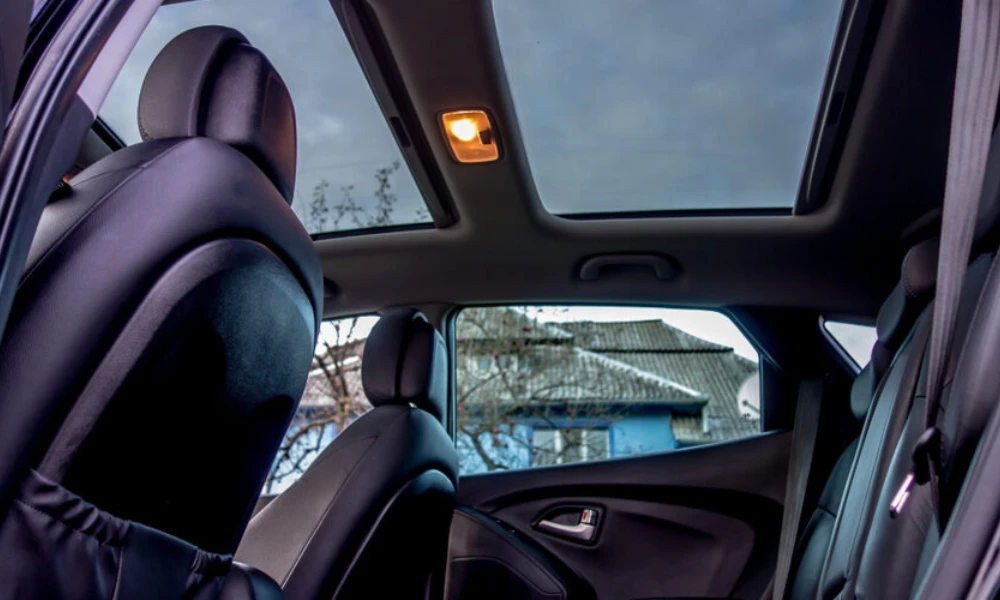
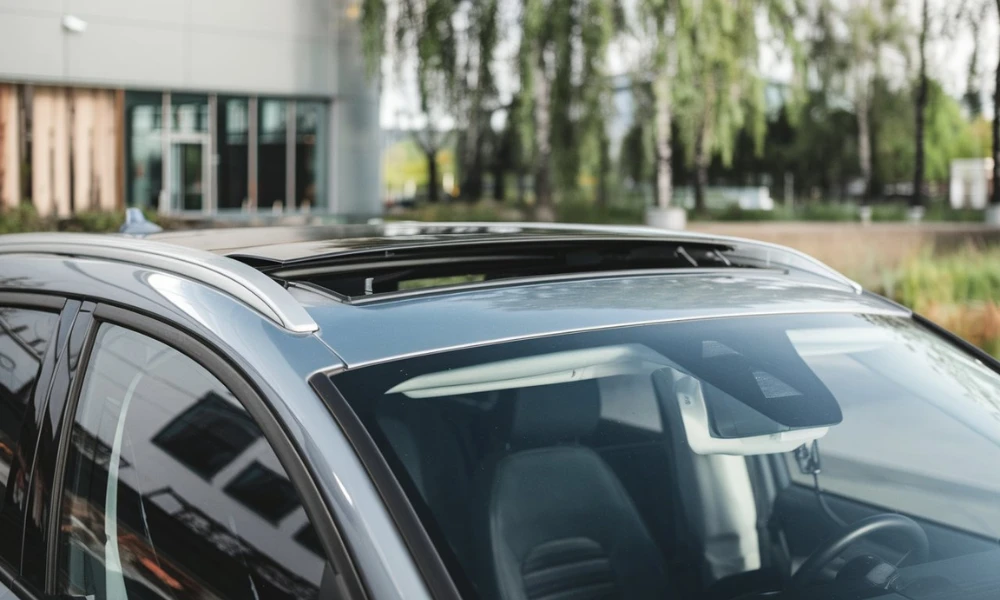
What is a panoramic sunroof? A panoramic sunroof is a large, extended glass roof panel that provides a wider, more open view of the sky compared to traditional sunroofs. Unlike standard sunroofs, which are typically smaller and positioned over the front seats, panoramic sunroofs often cover a significant portion of the vehicle’s roof, sometimes extending over both front and rear seats. This feature enhances natural light inside the car, creating a more spacious and airy feel. While a standard sunroof usually consists of a single panel that tilts or slides open, a panoramic sunroof can have multiple panels, offering more flexibility in ventilation and visibility. Many modern vehicles include panoramic sunroofs as a luxury upgrade, adding to both aesthetics and functionality. What is a Panoramic Sunroof? Explanation A car panoramic sunroof is a large glass panel installed on the roof of a vehicle, extending over both the front and rear seats. Unlike traditional sunroofs, which are typically small and positioned above the driver and front passenger, a panoramic sunroof provides a wider, more open view, enhancing natural light and ventilation inside the vehicle. Structure and Design of a Car Panoramic Sunroof A car panoramic sunroof consists of one or more glass panels integrated into the roof. The design typically includes: Multi-Panel Construction: Some panoramic sunroofs come with a single large glass panel, while others have two or more panels that can slide or tilt. UV and Heat-Resistant Glass: The glass used in these sunroofs is often tinted or laminated to reduce heat penetration and block harmful UV rays. Frame and Seal System: A durable metal or composite frame holds the glass in place, while rubber seals prevent water leaks and wind noise. Common Materials and Mechanism Used Materials Tempered or Laminated Glass: Provides strength and safety, reducing the risk of shattering. Polycarbonate Coatings: Some sunroofs have a protective layer to enhance durability. Aluminum or Reinforced Steel Frames: Ensures stability and secure attachment to the vehicle’s roof. Mechanism Manual Operation: Some budget-friendly panoramic sunroofs require manual adjustment to open or close. Electric/Motorized System: High-end vehicles feature a power-operated sunroof with a switch or remote control. Sunshade Integration: Many panoramic sunroofs include a retractable fabric or mesh sunshade to control sunlight exposure inside the car. Variants of Car Panoramic Sunroofs 1. Fixed Panoramic Sunroof A fixed panoramic sunroof is a non-movable glass panel that allows natural light but does not open for ventilation. It is commonly found in luxury sedans and SUVs to enhance the spacious feel of the cabin. 2. Operable Panoramic Sunroof An operable car panoramic sunroof can slide or tilt open, allowing fresh air into the cabin. These sunroofs come in two main types: Tilt-Only Sunroof: Slightly opens at an angle for ventilation. Sliding Sunroof: Moves backward, creating an open-air experience. Both fixed and operable panoramic sunroofs add aesthetic appeal and improve the driving experience. However, they require regular maintenance to ensure smooth functionality and prevent leaks. Would you like details on maintenance or potential issues with panoramic sunroofs? Does a Panoramic Sunroof Open? Yes, a car panoramic sunroof can either be fixed or operable, depending on its design. Some panoramic sunroofs are purely for aesthetic purposes and do not open, while others can tilt or slide to allow fresh air into the cabin. Types of Car Panoramic Sunroofs: Fixed vs Sliding 1. Fixed Panoramic Sunroof A fixed panoramic sunroof is a large glass panel that does not open. It is designed to let in more natural light, giving the cabin an open and spacious feel. Fixed sunroofs are typically found in luxury and electric vehicles where aerodynamics and structural integrity are prioritized. 2. Sliding (Operable) Panoramic Sunroof An operable car panoramic sunroof can open in one of two ways: Tilt-Only: The front section tilts upward to allow ventilation without fully opening. Sliding: The glass panel slides back, creating an open-air driving experience similar to a convertible. This mechanism can be manual or powered with an electric motor. How an Operable Car Panoramic Sunroof Functions Electric or Manual Controls: Most modern vehicles feature a button-operated motorized sunroof, while older models may have a manual crank. Track and Rail System: The glass panel moves along tracks embedded in the vehicle’s roof structure. Sunshade Mechanism: A built-in retractable sunshade helps control heat and sunlight exposure. Weather Seals and Drainage System: Rubber seals prevent leaks, and drainage channels direct water away from the cabin. Safety Considerations When Opening a Car Panoramic Sunroof Structural Integrity: A large sunroof can slightly reduce roof strength, so manufacturers reinforce the frame for safety. Wind Noise and Buffeting: Opening at high speeds can cause wind resistance and noise, making wind deflectors useful. Sun Exposure: Prolonged use in hot weather may overheat the cabin; a sunshade helps regulate temperature. Water Leaks: Regular maintenance of seals and drainage channels prevents water leaks. Child Safety: Always ensure children’s heads and hands are clear before opening or closing the sunroof. A car panoramic sunroof enhances the driving experience, but proper care and usage are essential for safety and longevity. Would you like maintenance tips for keeping your sunroof in top condition? Advantages of a Panoramic Sunroof A panoramic glass roof is a sought-after feature in modern vehicles, offering several benefits that enhance the driving experience. From increased natural light to improved ventilation, this feature provides both aesthetic and functional advantages. 1. Increased Natural Light and Visibility A panoramic glass roof allows more sunlight into the cabin, creating a bright and airy environment. This reduces the need for artificial lighting during the day and enhances visibility, making the interior feel more open and spacious. Passengers can also enjoy a better view of the sky, especially during scenic drives. 2. Enhanced Aesthetics and Luxury Appeal Vehicles equipped with a panoramic glass roof often exude a more premium look. The sleek, expansive design adds a high-end touch, making the car more visually appealing. Many luxury brands incorporate panoramic roofs as a standard feature to enhance their vehicle’s overall sophistication. 3. Improved Ventilation and

What is a Panoramic Sunroof Read More »

How to Clean Sunroof Drains | Step-by-Step DIY Guide

How To Clean Sunroof Drains|Easy Guide

A wet car interior is one of the most annoying problems a driver can face. It starts with a small damp carpet, a musty smell, or water spots on your headliner. Most people blame the weather seal, but the real cause is usually a blocked drain. Knowing how to clean sunroof drains can save you from costly repairs and a ruined interior. This guide walks you through everything from spotting the problem to fixing it yourself in under an hour. Understanding Sunroof Drains Your sunroof is not completely sealed. Water gets in by design. When rain hits your sunroof, it flows into a small trough around the glass panel. From there, four drain tubes carry water down through your car’s body and out underneath, usually near the front wheels and rear bumper. This system works great when the tubes are clear. But when they get blocked, water has nowhere to go. It backs up and leaks into your car soaking your headliner, carpet, and even your electrical system. There are typically four sunroof drains: two at the front corners and two at the rear. Each tube runs through the door pillars (A and C pillars). Knowing where they sit helps you clean them faster. Common Causes of Clogged Sunroof Drains Most sunroof drain clogs do not happen overnight. They build up over time. Leaves and Debris Leaves, twigs, and seeds fall into the sunroof trough. They break down and form a paste that blocks the tube opening. Dirt and Grime Buildup Road grime, pollen, and dust wash into the trough every time it rains. Over months, this creates thick sludge inside the drain tubes. Mold and Algae In humid climates, mold and algae grow inside the tubes. This creates a sticky blockage that traps other debris. Damaged or Kinked Tubes Sometimes the drain tube itself is the problem. A kinked tube from age or a previous repair stops water flow even with no debris inside. Insects and Nests Small insects, especially wasps, sometimes build nests inside drain tubes. It sounds unlikely, but it happens more often than you would think. Signs of Clogged Sunroof Drains Catching a sunroof drain clogged problem early saves you real money. Here is what to watch for: Wet carpet on the driver or passenger side especially after rain Water dripping from the overhead console or dome light A musty or moldy smell inside the car Water stains on the headliner Pooling water in the sunroof trough water sitting still means the tubes are blocked Quick test: Pour a small amount of water into each corner of the sunroof trough. Watch where it goes. If it does not drain within 10 to 15 seconds, you have a clog. The Tools and Materials You Need Gather everything before you start. It makes the job much easier. You will need: A flexible plastic drain snake (3–4 mm diameter) A can of compressed air A wet/dry vacuum A spray bottle with warm water Mild soap (dish soap works fine) A soft cloth or small brush A flashlight You do not need to remove the headliner or take anything apart. Most clogs clear from the trough opening or the drain exit point under the car. Optional but helpful: Weed trimmer line (for stubborn clogs) A small funnel Rubber gloves How to Clean Sunroof Drains in Five Easy Steps Here is exactly how to clean sunroof drains the right way. Step 1: Locate All Four Drain Openings Open your sunroof fully. Look at each corner of the trough the rubber-lined channel around the glass. You will see a small hole in each corner. These are your drain openings. Use your flashlight to see them clearly. Sometimes debris covers the hole completely. If you see standing water in the trough, vacuum it out first. Step 2: Clear the Opening with Compressed Air Hold the compressed air nozzle close to each drain opening and give it a short burst. 1 to 2 seconds is enough. This blows loose debris down into the tube. Do not go overboard with pressure. Too much force can push a soft clog deeper, making it harder to remove. After each burst, pour a small amount of water into the trough and watch if it drains. If it does, that drain is clear. Move to the next one. Step 3: Use a Drain Snake for Stubborn Clogs For a stubborn sunroof drain clogged situation, use a flexible drain snake or a piece of weed trimmer line about 50 to 60 cm long. Feed it gently into the drain opening. Move it in a slow, circular motion as you push it in. Do not force it if you want to break up the clog, not tear the tube. Pull the snake out slowly. You will likely see debris clinging to it. Wipe it clean and repeat until nothing comes out. Pro tip: Weed trimmer line is one of the best tools for this job. It is thin, flexible, and long enough to reach most clogs without kinking. Step 4: Flush with Warm Water Once you think the clog is gone, flush the tube with warm water. Pour it slowly into each drain opening using a spray bottle or small funnel. Watch for water to exit underneath the car behind the front wheels for front drains, near the rear bumper for rear drains. If water flows out fast and clean, the tube is clear. If it drains slowly, go back to Step 3. This step also completes the process of how to clean out sunroof drain tubes fully. After the water flows freely, follow up with a mild soap solution to clear any leftover residue inside the tube. Step 5: Clean the Trough and Test Again After all four drains are clear, clean the sunroof trough itself. Wipe the channel with a soft cloth and soapy water. Focus on the corners where debris collects. Dirt left in the trough will clog the tubes again in no time. Rinse with clean

How To Clean Sunroof Drains|Easy Guide Read More »

Does the Mazda CX-5 Have a Sunroof? Find Out Here

Does The Mazda Cx 5 Have A Sunroof

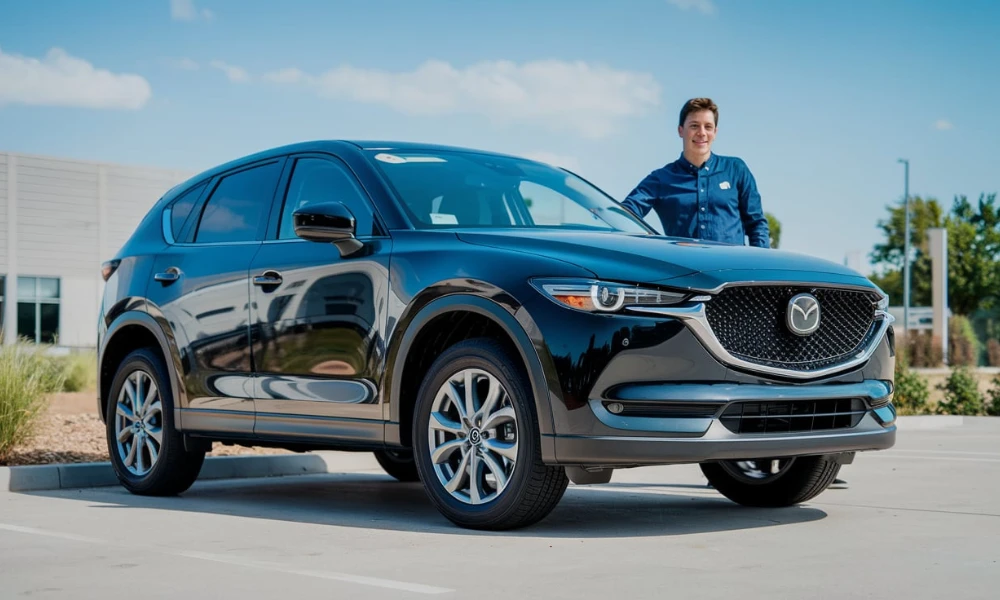
Does the Mazda CX-5 have a sunroof? Yes, some Mazda CX-5 models come with a sunroof, but it depends on the trim level. The Mazda CX-5 is a popular compact SUV known for its sleek design, advanced technology, and impressive performance. Many drivers prefer the Mazda CX-5 with a sunroof because it enhances the driving experience by providing better ventilation, natural light, and a premium feel. Higher trims, such as the Grand Touring, Grand Touring Reserve, and Signature, typically include a sunroof as a standard feature, while lower trims may offer it as an optional upgrade. If you’re considering a Mazda CX-5 with a sunroof, checking the specific model year and trim level is essential to ensure it includes this feature. Does the Mazda CX-5 Have a Sunroof? Talk To Sunroof Repair Expert Yes, the Mazda CX-5 does offer a sunroof, but its availability depends on the trim level and model year. Some trims come with a sunroof as a standard feature, while others may offer it as an optional upgrade or not include it at all. Mazda CX-5 Trims with a Sunroof The Mazda CX-5 sunroof is typically included in mid-to-high trim levels. However, lower trims often do not come with one unless added as part of a package. Standard vs. Optional Sunroof Availability Base Trims (S, Sport, or Similar) – These entry-level trims usually do not come with a sunroof. Mazda focuses on keeping these models affordable, so premium features like a sunroof are left out. Mid-Level Trims (Select, Preferred, Touring, etc.) – In some model years, these trims offer a sunroof as part of a package or as an available option. In newer models, a sunroof is often included in the package. Higher Trims (Premium, Grand Touring, Signature, etc.) – A sunroof is standard in most of these trims. If you want a Mazda CX-5 sunroof without needing extra upgrades, choosing a higher trim is a good option. Mazda CX-5 Sunroof Differences by Model Year Mazda has changed the availability of the sunroof over the years: 2023 and 2024 Models – The sunroof is standard on the Preferred, Premium, Grand Touring, and Signature trims. Lower trims still do not have it. Older Models (2017-2022) – Some versions required adding a Premium or Touring Package to get a sunroof. It was often not standard on mid-level trims. 2016 and Earlier Models – The sunroof was mostly optional or included only in high-end trims. Should You Get a Mazda CX-5 with a Sunroof? A Mazda CX-5 sunroof can make the cabin feel more open and bright, but it may also add to the cost of the vehicle. If you are buying a new or used CX-5, check the trim and package details to ensure it includes a sunroof. You can also read about Sun Roof Repair Austin. Which Mazda Models Have a Sunroof? Mazda offers a sunroof (often referred to as a moonroof) on several of its vehicles, but availability depends on the model and trim level. Some trims come with a moonroof as a standard feature, while others offer it as an optional upgrade. List of Mazda Vehicles with a Moonroof Here are some Mazda models that offer a moonroof: Mazda CX-5 – Available on mid-to-high trims. Mazda3 (Sedan & Hatchback) – Available on select trims. Mazda6 (Discontinued after 2021) – Higher trims included a moonroof. Mazda CX-30 – Some trims come with a moonroof. Mazda CX-50 – Available on mid and upper trims. Mazda CX-9 (Discontinued after 2023) – Standard on higher trims. Mazda CX-90 (Newer Model) – Higher trims offer a panoramic moonroof. Moonroof Mazda CX-5 vs Other Mazda Models Mazda CX-5: The moonroof is included in mid-to-high trims, such as Preferred, Premium, and Grand Touring. Mazda3: Some trims, like Premium, come with a moonroof, but base models do not. Mazda6: The moonroof was standard on the Grand Touring and Signature trims before the model was discontinued. Mazda CX-9: Higher trims included a power moonroof, but base models did not. Mazda CX-90: This newer SUV offers a larger panoramic moonroof in upper trims, unlike the smaller moonroof in the Mazda CX-5. Sunroof Availability by Trim Level For most Mazda models, the moonroof is: Not available on base trims. Optional or part of a package on mid-level trims. Standard on top trims like Grand Touring, Premium, and Signature. If you want a moonroof Mazda CX-5, consider trims like Preferred, Premium, or Grand Touring, as they usually include this feature. Which Mazda CX-5 Has a Panoramic Sunroof? A panoramic sunroof is a larger version of a standard sunroof that extends over both the front and rear seats, allowing more natural light into the cabin. It provides a more open and spacious feel, making the ride more enjoyable for passengers. Does the Mazda CX-5 Offer a Panoramic Sunroof? No, the Mazda CX-5 sunroof is not panoramic. Instead, it comes with a standard-sized power moonroof in select trims. The sunroof is usually available in mid-to-high trims, such as Preferred, Premium, and Grand Touring. However, Mazda has not yet introduced a panoramic sunroof option for the CX-5 in any model year. Comparison with Other Mazda Models While the Mazda CX-5 sunroof is not panoramic, some other Mazda models do offer this feature: Mazda CX-90 – Features a panoramic sunroof on higher trims. Mazda CX-50 – Offers a larger panoramic sunroof compared to the CX-5. Mazda CX-9 (Discontinued after 2023) – Some trims had a standard power sunroof, but it was not panoramic. If you are specifically looking for a Mazda CX-5 sunroof, you will get a standard power moonroof in select trims, but not a panoramic sunroof. For a larger sunroof experience, the Mazda CX-90 or Mazda CX-50 might be better options. Can You Add a Sunroof to a Mazda CX-5? Yes, you can add a sunroof to a Mazda CX-5 through aftermarket installation. Many auto shops and customization specialists offer aftermarket sunroof installation options for vehicles that didn’t originally come with one. However, there are important factors to consider

Does The Mazda Cx 5 Have A Sunroof Read More »

How to Close a Sunroof Manually | Easy Step-by-Step Guide

How To Close A Sunroof Manually: Quick Step-by-Step Guide

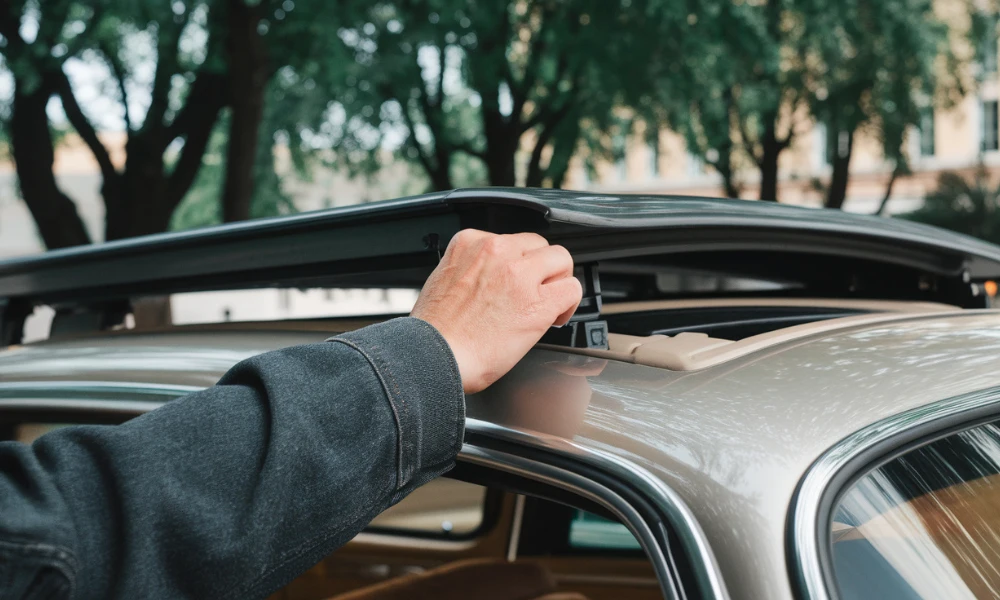
A sunroof thats stuck open can become a major headache quickly especially if rain is on the way and pressing the button isn’t getting anywhere. If your sunroof is stuck open, and you need to close it for protection against the elements or to avoid having to pay for emergency repairs, you should know how to manually close a sunroof. In fact, most cars come equipped with a manual override. Knowing how to use this feature is something all drivers need to know. It will tell you exactly how to close a sunroof manually, inform you of the various reasons why sunroofs have problems, and alarm when you should seek professional assistance. Why a Sunroof Won’t Close Before going toward the repair, it is good to understand why your sunroof switch isn’t working. These are the most common reasons for failure. Blown Fuse Sunroofs are powered by electricity. However, if the fuse pops, the switch will become non responsive no noise, no motion. Typically this is a simple solution. Locate the sunroof fuse in your fuse box with the help of your owner’s manual. Swap it for a fuse with the same amp rating. Many sunroof problems end right here. Failed Sunroof Motor With use, the glass sliding motor may become damaged. You may hear clicks or nothing at all. Heat also accelerates motor failure, particularly in hot environments. If the switch goes dead, you won’t be able to use it, but you will still be able to close the sunroof manually. Dirty or Jammed Tracks Leaves, dust and other debris can accumulate in sunroof tracks and wear on your sunroof matrix. When it senses resistance, safety sensors stop the Sunroof operation, which really makes it appear as though the Sunroof is faulty or in need of repair. Broken Cables Sunroofs have cables that guide the glass. When a cable breaks, one side can move and the other can’t, making the glass to tilt or get stuck halfway. There’s nothing you can do by pushing the switch when that occurs. You’ll have to close the sunroof by hand and fix the cable later. You may read: 2000 Land Cruiser Sunroof Seal Replacement. How To Close A Sunroof Manually (Step-by-Step) As you look for sunroof switch not working, really do these steps to lock down your vehicle. Step 1: Gather Your Tools Supplies needed: Use a 4mm or 5mm Allen wrench (hex key) A small flathead screwdriver (optional) A cloth or rag The hex wrench is included in Allen wrenches for many models. Step 2: Locate the Manual Override Look up at the ceiling – near the dome light or sunroof controls. There is usually a small plastic cover concealing the sunroof motor. With your fingers or a screwdriver, carefully lift it up. Be patient you dont want to break any plastic clips.. Step 3: Insert the Allen Wrench When the panel has been taken off, you can then locate the hexagonal hole in the motor. Institute the full Allen wrench. take action snugly. What should I do if the card is loose? Use another size if it’s too loose. and it’s the step you need if you’re wondering how to close the sunroof without the switch. Step 4: Turn to Close Turn the wrench clockwise in most vehicles. This action to the sunroof motor is done manually. Expect resistance its firm. You may have to turn 20–50 times. Turn slowly and steadily. If it backwards and stops or feels caught, stop and feel for debris. Step 5: Check the Seal Once you have closed the press door pull the sunroof down from the outside to check the fit of the seal. It should rest flush with the roof, and no air should be able to get under the sunroof glass. If one side is a bit off, put a little downward pressure on it and turn the wrench a few more times. How to Fix a Sunroof That Won’t Close All the Way The sunroof closes just about all the way but there is a small gap at the end sometimes.  Here’s what to try next. Clean the Safety Sensors Dirt on the rubber seals can give the system the illusion that the sunroof is blocked. Run a wet rag around the whole hole. Reset the Sunroof System Solar Sunroof System Turn your ignition to the “on” without starting your engine. Wait for 10–15 seconds after pressing the close button. There are clicking sounds and you may see slight movement or not. This will reset the position memory, and it’s fixed the calibration problem for me a couple of times. Lubricate the Tracks Dry tracks result in more resistance. Leave these two on top of your list. Use a silicone spray lubricant not WD-40 or oil. Spray lightly into the tracks and then wipe off any excess. Common Mistakes to Avoid Don’t make it worse. Here’s what not to do. Don’t Force the Glass You’re frustrated—I get it. But don’t push the glass with your hands. Glass is strong. Rails aren’t. Push too hard, you bend them. Then it won’t close right even after fixing the original problem. Use only the crank. Let tools do the work. Don’t Skip the Fuse Check People tear ceiling panels apart without checking fuses first. Blown fuse: 30 seconds to find, one minute to fix. Manual override: ten minutes and trim removal. Check easy stuff first. Owner’s manual has the fuse diagram. Don’t Use Wrong Lubricants Motor oil and petroleum products destroy rubber seals. Those seals keep water out. Only silicone lubricant or white lithium grease. Made for automotive rubber and plastic. Customer used WD-40 once. Three months later, weatherstripping cracked and leaked. Cost way more to replace than proper lubricant. When to Seek Professional Help I’m all for DIY. But sometimes you need help. Manual override won’t move the glass at all? Something’s jammed bad—bent tracks, broken motor assembly. Forcing it risks breaking the glass. Grinding metal sounds? Stripped gears or scraping rails. Needs proper diagnosis. Water leaks around closed sunroof? Seal damage or misalignment.  Professionals have alignment tools. Austin area? Texas Reliable Auto Glass handles these daily. Motors, tracks, seals—all makes and models. We offer Sunroof Repair in Austin with same-day service. Mobile service—we come to you. No need to arrange

How To Close A Sunroof Manually: Quick Step-by-Step Guide Read More »

Scroll to Top