Reliable Auto Glass

Texas Blog

How Big of a Crack in Windshield Can Be Repaired Guide 2025

How Big Of A Crack In Windshield Can Be Repaired

How big of a crack in windshield can be repaired—that’s what you’re probably wondering right now if you’ve got damage on your glass. Look, windshield cracks happen to everyone, whether it’s from a rock on the highway or wild temperature swings. Here’s the deal most small chips and cracks are quick and cheap to fix with windshield crack repair, but once that crack gets too long, you’re in replacement territory. And honestly, you don’t want to wait around on this. The longer you ignore it, the more money you’ll end up spending, plus it’s actually dangerous—your windshield won’t protect you right in a crash, and it messes with your vision while driving. In this guide, we’re breaking down exactly when you can still save your windshield and when you need to replace it. Types of Windshield Cracks That Can Be Repaired Damage to the windscreen can take many different shapes, and not all cracks are made equal. Determining whether a repair or replacement is required can be aided by knowledge of the many kinds of windscreen cracks. An outline of the most prevalent kinds and their repairability is provided here. 1. Bullseye A bullseye crack resembles a circular mark with a dark center and can often result from a direct impact with a small object like a stone. Repairability: Bullseye cracks are generally repairable if they are less than 1 inch in diameter and don’t extend into the driver’s line of sight. 2. Star Break This crack features multiple small cracks that radiate outward from the impact point, resembling a star. Repairability: If the cracks are under 3 inches and haven’t spread significantly, star breaks can typically be repaired. Larger or more complex star breaks may turn into a non fixable crack in windshield. 3. Combination Break As the name implies, a combination break consists of several different kinds of damage, such as a bullseye with outstretched cracks that resemble stars. Repairability: These are more challenging but may still be repaired if the total damaged area is under 4 inches and doesn’t compromise the windshield’s structural integrity. 4. Crack Chip This is a small piece of glass that has chipped away, often leaving a tiny crack. Repairability: Crack chips are usually minor and can often be fixed easily, as long as they’re not too deep or located near the edge. 5. Edge Crack Edge cracks originate within 2 inches of the windshield edge and can spread quickly due to structural stress. Repairability: These are often considered non fixable cracks in windshields because of their location and risk of expansion. In most cases, replacement is recommended. What About a 6 Inch Windshield Crack? Alright, so you’ve got a 6 inch windshield crack staring back at you. Can it be fixed? Maybe. It really comes down to where it’s sitting on your windshield, how deep it actually goes, and whether it’s started spiderwebbing out into a bunch of smaller cracks. Look, I’m gonna be straight with you—once that crack hits 6 inches, you’re basically at the limit of what can be repaired. Go past that length and honestly, most shops won’t even try to fix it. They’ll just tell you to replace the whole thing because it’s not safe anymore. And if your crack’s got arms shooting off everywhere or it’s blocking your view when you’re driving? Forget it. That thing’s done. You need a new windshield. You should read about windshield replacement in Austin Texas. Can a 12 Inch Crack in Windshield Be Repaired? Okay, we’re talking about a serious crack here. Twelve inches is long—really long. And yeah, this is where things get complicated because you’re dealing with what most people would call a non fixable crack in windshield territory. But let’s dig into this because the answer isn’t always black and white. When a 12-Inch Crack Might Actually Be Fixable I know it sounds crazy, but sometimes—and I mean sometimes—long crack windshield repair can work even on a 12-inch monster. It’s rare, but here’s when it might be possible: Where it’s located matters big time: If that crack isn’t blocking your view when you’re driving and it hasn’t crept all the way to the edge of your windshield, there’s a slim chance a really skilled tech might be willing to give repair a shot. What kind of crack you’ve got: Is it a straight line, or does it look like a tree with branches everywhere? Straight cracks (people call them stress cracks sometimes) are way easier to work with than ones that have turned into a spiderweb. Has it stopped growing? If that crack hasn’t gotten any bigger and no dirt or water has gotten inside, you’ve got better odds. Once moisture or gunk gets in there, you’re pretty much done. But listen—these situations are the exception, not the rule. And even then, it depends on whether your tech really knows their stuff and has the right equipment. What the Car Companies Say vs. What Repair Shops Do Here’s where it gets interesting. Most car manufacturers and insurance companies play it safe. Their official line? Anything over 6 inches should be replaced, no questions asked. According to the car makers (they call them OEM guidelines), a 12-inch crack is a safety hazard, plain and simple. It messes with how your windshield’s layers are supposed to work together. But then you’ve got some auto glass shops—especially ones with newer technology like advanced resin injection systems—who’ll tell you they can handle long crack windshield repair even at 12 inches if conditions are perfect. Should you do it? That’s on you. You might save some cash now, but you’ve gotta think about whether it’s really safe down the road. When You Just Need to Replace It Let’s be real—most of the time, a 12-inch crack means you’re getting a new windshield. There’s no way around it. You definitely need replacement if: That crack has reached the edge of your windshield It’s right where you need to see when you’re driving It’s

How Big Of A Crack In Windshield Can Be Repaired Read More »

How to Replace Windshield Wiper Motor | Step-by-Step Guide

How To Replace Windshield Wiper Motor | Step-by-Step Guide

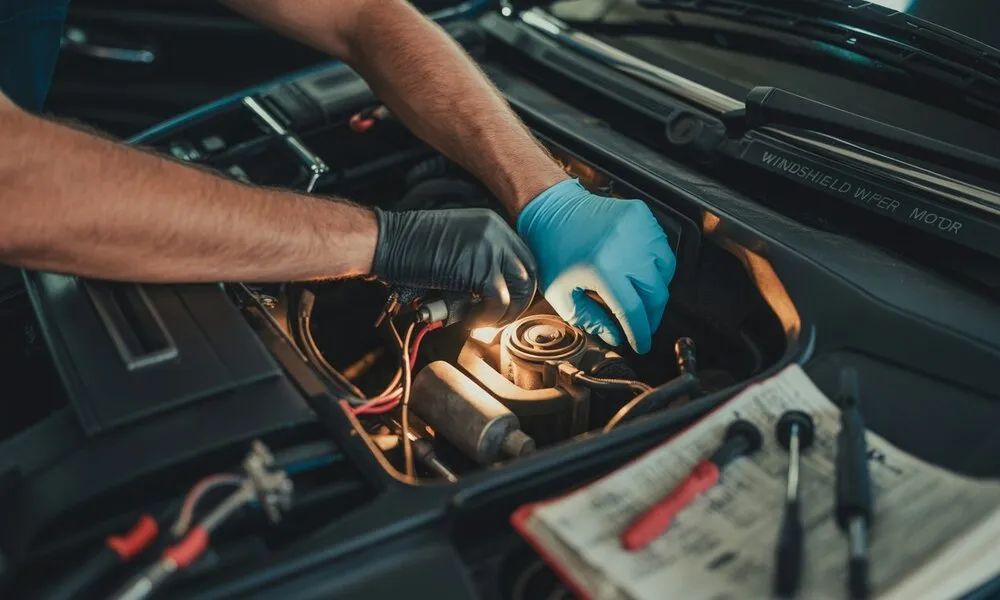
How To Replace Windshield Wiper Motor is a task you can handle if you follow the right steps and safety rules. In most cars, the job takes one to two hours and basic tools. The key is to confirm the motor is bad before replacing it and to install the new motor in the correct parked position. If your windshield wipers stopped working, moved slowly, or parked in the wrong spot, the wiper motor may be the issue. This guide explains how the system works, how to diagnose faults, and how to replace the motor without causing damage. What Does a Windshield Wiper Motor Do? A windshield wiper motor is a small electric motor that moves your wipers across the glass. It connects to a linkage or transmission that turns motor rotation into back-and-forth motion. When you turn the wiper switch, power flows from the battery through a fuse and relay to the motor. The motor spins and moves the wiper arms at low or high speed. Most modern cars use a DC motor with built-in park control. This lets the wipers stop at the bottom of the windshield. There are two main setups: Front windshield wiper motor for the main glass Rear wiper motor for hatchbacks and SUVs Each setup has different access points and steps. What Can Go Wrong with a Windshield Wiper Motor? Most drivers think that if the wipers stop moving, the motor is dead. This is not always true. Sometimes the wiper motor replacement is the last thing you need. Problems often start in the wiring or the mechanical joints. One common issue is seized linkage bushings. Over time, dirt and salt get into the metal joints of the transmission. This makes it very hard for the motor to move the arms. If you hear a humming sound but nothing moves, your motor might be trying to work against a stuck linkage. Another frequent failure is the internal park switch. This tiny part inside the motor tells the blades when to stop at the bottom of the glass. If this switch fails, your wipers might stop right in your field of vision or refuse to turn off at all. This is a clear sign you need a windshield wiper motor replacement. How to Identify a Faulty Windshield Wiper Motor Before you spend money on parts, you must be sure the motor is the problem. Many people buy a new motor only to find out they had a blown fuse. Follow these diagnostic steps to save time and money. Check the Fuse and Relay Open your fuse box. Look for a fuse labeled “Wiper” or “WASH.” If the metal wire inside the fuse is broken, replace it with one of the same color and number. If the fuse is fine, check the wiper relay. A bad relay can prevent power from reaching the motor. You can often swap the wiper relay with a matching one from the horn or AC to see if the wipers start working. The Multimeter Test If the fuses are good, it is time to test for 12 volts at the motor itself. Locate the electrical connector on the motor. Unplug the harness. Turn the ignition on and set the wipers to “High.” Use a multi-meter set to DC volts. Touch the red probe to the power pin in the harness and the black probe to a clean ground wire or metal part of the frame. If the meter shows 12 volts but the motor doesn’t move when plugged in, the motor is faulty. Inspect the Splines Sometimes the motor is spinning, but the blades aren’t moving. This often happens because the splines (the tiny teeth) on the pivot shaft have stripped. If the nut holding the wiper arm is loose, the arm will just slide over the teeth instead of moving with them. Tools and Safety Checklist Before You Start Prepare first to avoid mistakes. Basic tools Socket set Screwdrivers Wiper arm puller Trim removal tool Multimeter Safety steps Park the car on level ground Turn ignition off Disconnect the battery Mark wiper arm position with tape Disconnecting the battery protects electronics and airbag sensors near the cowl. Steps How To Replace Windshield Wiper Motor Now that you are sure the motor is bad, follow these steps to install the new one. Work slowly to avoid cracking your windshield or breaking plastic clips. 1. Mark Your Alignment Before removing anything, place a small piece of painter’s tape on the glass where the blades sit. This helps with spline alignment later. If you don’t do this, your wipers might slap the side of the car or sit too high when you finish. 2. Remove the Wiper Arms Pop off the plastic nut cover at the base of each arm. Use your socket to remove the nut. If the arm is stuck, do not pry against the glass. Use a wiper arm puller or gently wiggle the arm at the hinge until it pops off the pivot shaft. 3. Take Off the Cowl The cowl is the plastic grill between the hood and the glass. It is held by cowl clips or small screws. Carefully remove these and lift the cowl away. Be careful with the washer fluid hoses; you may need to unplug them to move the cowl out of the way. 4. Disconnect and Unbolt the Motor Find the electrical plug and press the tab to pull it out. Next, unbolt the motor from the car frame. In most cars, the motor is attached to the wiper transmission by one main bolt. Unbolt this link and lift the motor out. 5. Prepare the New Motor This is the most important step. Most new motors do not come in the “park” position. Plug the new motor into the wiring before installing it. Turn the car on and cycle the wipers once. Let the motor stop on its own. Now the motor is in the correct park position. 6. Installation Bolt the

How To Replace Windshield Wiper Motor | Step-by-Step Guide Read More »

Are Windshield Distortions Common in New Cars Explained

Are Windshield Distortions Common In New Cars

Windshield distortion happens more often than most drivers realize. About 15-20% of new vehicles have minor optical irregularities that go unnoticed during delivery inspections. These distortions stem from manufacturing shortcuts, aggressive curved designs, or quality control gaps in mass production. Are Windshield Distortions Common In New Cars? While severe distortions remain rare in factory-installed glass, mild wave patterns and edge warping affect roughly 1 in 6 new vehicles. The issue becomes more pronounced in aftermarket replacements where quality standards vary widely. What Is Windshield Distortion? A distorted windshield happens when light does not pass through the glass in a straight line. Think of a funhouse mirror. It makes things look bent or stretched. Your car glass should be perfectly flat and clear. But during making, the glass is heated and bent. If this process is not perfect, the glass gets tiny waves. You might see a wavy windshield when you look through it at an angle. These waves change how you see the road. It can make a straight lane line look like a snake. This is more than just a visual bug. It affects how your brain tracks objects while you drive. At Texas Reliable Auto Glass, we see this most often in the corners of the glass. Types of Windshield Distortion Not all glass flaws look the same. Experts group them into four main types. Knowing these helps you explain the problem to your dealer. Edge Distortion This is the most common type. It stays near the outer edges of the glass. Most modern cars have very curved glass for style. This curve can bend light at the very bottom or sides. Most drivers never notice it because they look straight ahead. Wave or Ripple Distortion This is what people call a wavy windshield. It looks like ripples on a pond. You see it most when you move your head from side to side. It can show up in the middle of your view. This is a serious flaw and should not be there. Optical Bending This makes objects look like they are in the wrong spot. A stop sign might look a few inches higher than it really is. This happens when the glass thickness is not even. It is very dangerous for judging distance. Zoning Distortion This is when one part of the glass is clear but another part is blurry. You might see squiggly lines on windshield glass in just one small patch. It usually comes from uneven cooling at the factory. Stress Distortion  appears as rainbow-like patterns or colorful halos, especially visible when wearing polarized sunglasses. This indicates internal stress in the glass structure, often from improper cooling or installation pressure. Are Windshield Distortions Common in New Cars? Factory windshields come with built-in quality advantages, but that doesn’t make them immune to problems. Major automakers recalled over 47,000 vehicles in 2024 alone due to windshield defects. Ford recalled 32,000 F-150 trucks after discovering improper adhesive application that created optical irregularities. Honda issued a technical service bulletin for HRV models experiencing spontaneous stress cracks that distorted vision before complete failure. Tesla faced criticism in 2023-2024 for windshield distortion complaints on Model 3 and Model Y vehicles. Owners reported wavy windshield effects concentrated in the driver’s sight line, attributed to aggressive curve angles that prioritize aerodynamics over optical clarity. The Reality of Factory Glass Quality New car windshields undergo inspection, but human error affects results. Assembly line workers check hundreds of vehicles daily, making it easy to miss subtle defects. Time pressure and production quotas sometimes override thorough quality verification. OEM (Original Equipment Manufacturer) glass must meet Federal Motor Vehicle Safety Standard 205. However, this standard focuses primarily on impact resistance and penetration protection. Optical clarity standards allow more variation than most drivers would prefer. Premium brands like Lexus, BMW, and Mercedes-Benz use acoustic laminated glass with stricter optical tolerances. Economy vehicles often receive standard laminated glass where minor distortions pass inspection. How Common Are Windshield Distortions in New Cars? Industry data from the National Windshield Repair Association shows that 12-18% of new vehicles have measurable optical distortion. Most of these cases involve edge distortion that drivers never notice. Severe distortion affecting the primary viewing area occurs in approximately 2-3% of new vehicles. This rate jumps to 8-12% for aftermarket replacements when low-quality glass is used. Insurance claim data reveals interesting patterns. Distortion complaints spike 3-4 months after vehicle purchase, suggesting drivers need time to recognize the problem. Many assume the visual oddity is normal until they drive another vehicle and notice the difference. Why Some Brands Have More Issues Vehicles with steeply raked windshields (angles less than 30 degrees from horizontal) show higher distortion rates. This includes many crossovers and sport sedans designed for aerodynamic efficiency. Larger windshields also increase distortion probability. The more glass area that needs uniform thickness, the harder it becomes to maintain optical consistency. Full-size trucks and SUVs with panoramic windshields report distortion more frequently. Cars manufactured during production shifts or model year changes show elevated defect rates. When factories retool or train new workers, quality control sometimes suffers temporarily. Windshield Distortions Causes | What Leads to a Wavy Windshield? Multiple factors contribute to that frustrating new windshield looks distorted problem: Curved Design Demands Modern vehicles feature more aggressive windshield angles for fuel efficiency and aesthetics. Each additional degree of curve increases distortion risk by approximately 3-5%. The glass must bend in multiple directions simultaneously, creating stress points that affect optical properties. Mass Production Variables Even with automated systems, temperature fluctuations in manufacturing facilities affect glass properties. A 10-degree difference in ambient temperature can alter how glass flows during forming. Summer-produced windshields sometimes differ from winter batches. Installation Angle Issues When technicians install windshields at incorrect angles, even perfect glass develops distortion. The urethane adhesive must cure with the glass at the exact specified angle. Rushed installations that don’t allow proper settling create lasting optical problems. Adhesive Quality Problems Cheap urethane adhesive can shrink unevenly during curing, pulling the glass

Are Windshield Distortions Common In New Cars Read More »

How Much To Replace A Windshield Without Insurance

How Much To Replace A Windshield Without Insurance

How much to replace a windshield without insurance is a common question for drivers facing unexpected glass damage. Without insurance coverage, you’re responsible for the full amount out of pocket, making it essential to understand your options and costs. The windshield replacement cost with no insurance typically ranges from $200 to $600 or more, depending on your vehicle type, the glass used, and any advanced safety features. The final cost to replace a windshield without insurance can vary widely based on these factors, so knowing what influences the price can help you budget better and avoid surprises. How Much to Replace a Windshield Without Insurance The price of replacing a windscreen without insurance usually varies from $200 to more than $600, depending on the brand, model, and installed features of your car. The cost of premium automobiles or those equipped with advanced driver assistance systems (ADAS) can reach $1,000 or higher. Average Cost Breakdown by Vehicle Type Standard Sedans (e.g., Toyota Corolla, Honda Civic): Expect to pay around $200–$350. These models use common glass types that are widely available, making them more affordable. SUVs & Trucks (e.g., Ford F-150, Chevy Silverado): The cost to replace the windshield without insurance for these larger vehicles runs between $300–$500, due to the size and complexity of installation. Electric and luxury vehicles (such as BMW, Tesla, and Audi):: For these vehicles, cheap windshield replacement no insurance is harder to find. Prices can jump to $500–$1,200, especially if recalibration for ADAS is required. Why Many Drivers Pay Out of Pocket Many drivers choose to pay the windshield replacement cost without insurance because: High deductibles often exceed the cost of basic replacement. Filing a claim can increase future premiums. Some insurance policies don’t cover full glass replacement. That’s why cheap windshield replacement with no insurance is a growing demand — especially for older vehicles where replacement is straightforward and affordable. Factors Influencing the Cost of Windshield Replacement If you’re dealing with a cracked or shattered windshield, understanding what drives the price up or down can help you better estimate the windshield replacement cost without insurance. Below are the key factors that affect how much you’ll pay out of pocket: 1. Vehicle Make and Model The cost of replacing your windscreen without insurance largely depends on the brand and model of your car. Standard Vehicles (e.g., Toyota Camry, Honda Accord) These usually have simpler glass designs and cost less to replace — typically between $200 and $350. Luxury Vehicles (e.g., BMW, Mercedes-Benz, Tesla) Expect higher replacement costs, often ranging from $500 to $1,200, due to specialized glass and additional tech features. 2. Type of Glass Used: OEM vs Aftermarket OEM (Original Equipment Manufacturer) Glass Matches your car’s original specs but comes with a higher price tag. It ensures a perfect fit but increases the windshield replacement cost without insurance. Aftermarket Glass more popular and reasonably priced windscreen replacement services that don’t require insurance. It may vary slightly in quality but can cut costs by 20–30%. 3. ADAS Recalibration Requirements Modern vehicles are equipped with Advanced Driver Assistance Systems (ADAS) such as lane departure warnings, automatic braking, or adaptive cruise control. Replacing the windshield on these vehicles often requires camera or sensor recalibration, which can add $150 to $400 to your total bill. So, if your vehicle includes ADAS, the windshield replacement cost no insurance will be significantly higher. 4. Labor and Service Location In-Shop Services Typically more affordable, with fewer travel-related charges. Mobile Services Offer convenience by coming to you, but may cost slightly more due to additional labor and travel time. Your location also plays a role — urban areas generally have higher labor rates, which affect the total windshield replacement cost without insurance. 5. Urgency or Same-Day Service Need it done immediately? Emergency or same-day services can come with a rush fee of $50 to $100 or more. If time isn’t a factor, booking a standard appointment can help you save. You can also read about windshield replacement in Austin Texas. Average Cost of Windshield Replacement Without Insurance in Austin Depending on your vehicle’s kind and the features it has, a windscreen repair without insurance in Austin often costs between $200 and $600. If you don’t have glass coverage, understanding what affects pricing helps you find the best deal and avoid overpaying. Windshield Replacement Cost by Vehicle Type Here’s a breakdown of the average cost to replace a windshield without insurance in Austin based on common vehicle types: Vehicle Type Estimated Price Range (Austin) Sedan (e.g., Honda Civic, Toyota Camry) $200 – $350 SUV (e.g., Toyota RAV4, Ford Escape) $250 – $450 Truck (e.g., Ford F-150, Chevy Silverado) $300 – $500 Luxury/Electric (e.g., Tesla, BMW, Audi) $500 – $1,200+ What Affects Windshield Replacement Cost in Austin? Several factors can increase or lower your windshield replacement cost without insurance in Austin: Vehicle Make & Model: Luxury and electric cars like Teslas or BMWs have more expensive windshields than standard sedans. Glass Type: OEM glass is pricier than aftermarket options but offers an exact match. ADAS Technology: Cars with advanced safety systems require camera recalibration, adding $150–$400 to your bill. Service Type: Mobile services are convenient in Austin traffic but may charge slightly more than in-shop replacements. Regional Pricing in Austin Austin’s growing population and demand for quick, reliable service can influence pricing for auto glass work. In high-traffic areas like Downtown Austin, South Congress, or The Domain, labor costs may be slightly higher due to convenience and accessibility. Nonetheless, Texas Reliable Auto Glass is still dedicated to offering reasonably priced, superior solutions. Even if you’re paying out of pocket, we offer cheap windshield replacement with no insurance—without cutting corners on materials or workmanship. Windshield Repair vs Replacement Cost Without Insurance When you notice a crack or chip on your windshield, the first question that comes to mind is: Can it be repaired, or does it need full replacement? Understanding the difference helps you choose the right option — especially if you’re covering the cost yourself.

How Much To Replace A Windshield Without Insurance Read More »

How Long to Leave Tape on After Windshield Replacement?

How Long To Leave Tape On After Windshield Replacement

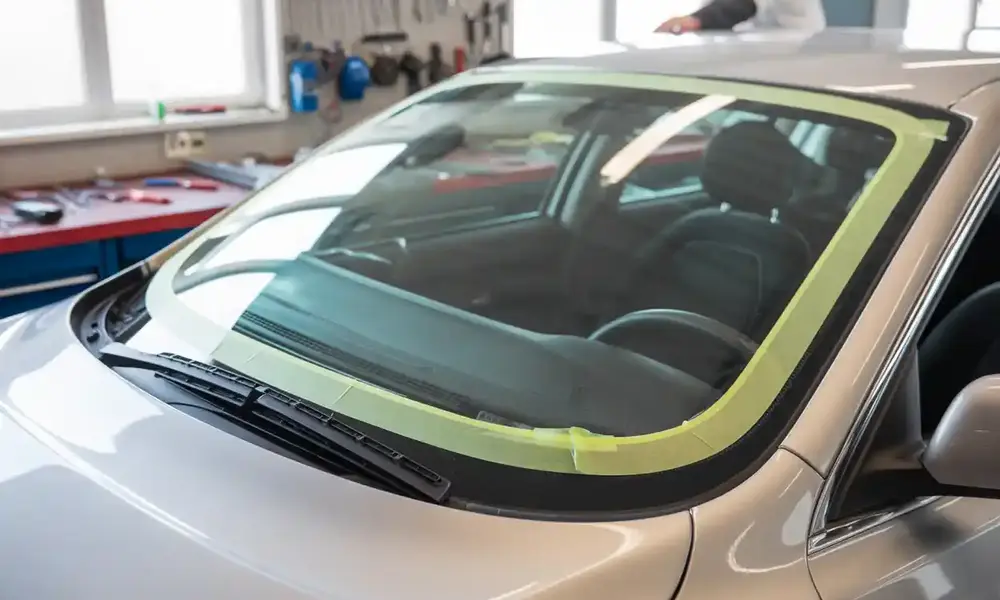
How long to leave tape on after windshield replacement is usually 24 to 48 hours, depending on the adhesive type and weather conditions. Often referred to as windscreen repair tape or windscreen tape, this tape aids in keeping the glass in place while the seal cures. Leaving the tape on ensures that dust, moisture, or air doesn’t interfere with the bonding process. It also prevents the windshield from shifting due to driving or sudden movement. Removing it too early can cause leaks, poor sealing, or even a loose fit. Curing time is crucial for safety and long-term durability. That’s why experts recommend keeping the tape on until the adhesive is fully set. Why Use Tape in Windshield Replacement? Tape plays a critical role in windshield replacement—even if it looks like a small step, it makes a big difference in how well your new windshield performs over time. 1. Role of Tape in Stabilizing the New Windshield After a new windshield is installed, windshield repair tape is used to hold it in place while the adhesive cures. This helps prevent any shifting due to vibrations, driving, or wind pressure. The tape ensures the glass stays aligned with the vehicle’s frame, keeping everything tight and secure. 2. Protection Against Moisture, Dust, and Shifting One major reason professionals apply tape on windshield after replacement is to protect the fresh seal from outside contaminants. The adhesive used for windshield bonding is sensitive during the curing process. Dust, water, and even small debris can weaken the seal. The tape acts as a barrier to keep all that out. 3. Ensures Adhesive Seal Cures Correctly Adhesive curing is what actually “locks in” your windshield for long-term safety. The tape on windshield time after replacement usually ranges from 24 to 48 hours, depending on the type of adhesive used. Leaving the tape in place for the recommended time helps ensure the urethane sets properly—making the bond strong enough to handle weather, speed, and accidents. You can also read about What If It Rains After Windshield Replacement. How Long to Leave Tape on After Windshield Replacement After replacing the tape, you should leave it on your windscreen for 24 to 48 hours. This timeframe allows the adhesive used during installation to properly cure and set, securing your new windshield in place for long-term durability and safety. Standard Time Recommendation: 24 to 48 Hours Professional auto glass installers agree that 24 hours is the bare minimum, while 48 hours offers the safest curing window. This tape isn’t just there to look like the job’s still in progress—it serves a real purpose in protecting the seal as it dries. So, if you’re wondering about the tape on windshield time after replacement, just know that the longer it stays on within that safe window, the better your results. Tips From Auto Glass Professionals Here are a few simple but important reminders: Park indoors if possible, to reduce exposure to rain, sun, or wind. Avoid driving on bumpy roads or slamming your car doors, as sudden shocks can misalign the glass. Don’t touch or adjust the tape for windshield after installation, even if it starts to peel slightly. Some technicians might use masking tape, while others use high-resistance glass tape—both are designed to hold the glass steady while the adhesive cures. What Happens If the Tape Is Removed Too Early? Taking the tape off before the recommended time can cause a variety of problems: Misalignment: The windshield may shift out of place, even slightly, which can lead to wind noise, leaks, or unsafe fitting. Seal failure: Exposure to moisture, dirt, and even pollen before the adhesive fully cures can compromise the seal. Weakened bond: An improperly cured adhesive might not hold up in the event of an accident or rollover. Bottom line: even if the tape looks unnecessary, it’s your windshield’s first line of defense in the curing stage. It supports the glass, seals out debris, and ensures long-term safety. Final Advice from the Pros When you get your windshield replaced, ask your technician how long to leave the tape on—and follow their instructions closely. Most shops, like Texas Reliable Auto Glass, use top-grade adhesives and professional tape for windshield replacements, but even the best materials need time to work. Leaving the tape on for just a bit longer can help avoid rework, leaks, and future repairs. What Can Affect Curing Time? Curing time after a windshield replacement isn’t always the same. Several factors can influence how quickly the adhesive sets and how long you need to leave the windshield replacement tape in place. Understanding these factors can help you avoid issues like leaks, misalignment, or seal failure. Weather Conditions: Temperature, Humidity, and Rain Temperature and humidity play a major role in how fast the adhesive cures. Hot, dry weather usually helps the adhesive set faster. Cold or humid conditions can slow down the curing process, sometimes requiring extra hours or even an extra day. If it rains shortly after installation, moisture can interfere with the bonding process unless the windshield replacement tape is properly applied. In such cases, professionals often recommend extending the tape on windshield time after replacement to ensure a strong seal forms completely. Type of Adhesive Used (Urethane vs. Others) Most auto glass shops use urethane adhesive, which is known for its strength and quick bonding time. However: Fast-cure urethane may dry within 1 hour, but it still benefits from the added security of tape. Standard urethane often requires a full 24–48 hours to completely cure. Different adhesives have different cure windows, and using the right tape on windshield helps protect that bond while it’s stabilizing. Driving Immediately After Installation Driving too soon can disrupt the curing process. Even if your installer says it’s safe after one hour (common with fast-cure adhesives), the windshield replacement tape should remain on the vehicle: It prevents minor shifts caused by vibrations and wind pressure. It supports the adhesive as it sets deeper, even while you’re on the move. If you

How Long To Leave Tape On After Windshield Replacement Read More »

Will Windshield Wiper Fluid Hurt a Radiator? Find Out

Will Windshield Wiper Fluid Hurt a Radiator? Find Out

Pouring windshield wiper fluid into your radiator is one of those “oh crap” moments that happens way more often than people admit. You’re under the hood, maybe it’s early morning or you’re just not paying attention, and boom—you’ve just dumped that bright blue washer fluid right into your coolant tank. Will windshield wiper fluid hurt a radiator? Yeah, unfortunately it will. Here’s why: washer fluid’s packed with methanol and detergents that are great for cleaning your windshield but terrible for your engine. The second you get washer fluid in radiator, those chemicals start wreaking havoc. They corrode metal components, break down your rubber hoses, and destroy seals throughout your cooling system. It’s not something you can ignore and deal with later either. You’ve gotta drain that system and flush it out right away, otherwise you’re setting yourself up for some really expensive engine problems. Understanding Will Windshield Wiper Fluid Hurt Radiator? Yeah, it’s gonna mess things up, but how bad it gets really depends. Wiper fluid’s got methanol, detergents, and other crap that should never touch your cooling system. Mix antifreeze windshield washer fluid together and you’ve just created a cocktail your radiator definitely wasn’t built to handle. Here’s what actually goes down inside your cooling system: Chemical Reaction Problems: So methanol boils at 148°F, right? But your coolant doesn’t boil till 223°F. That 75-degree difference is huge—it means the washer fluid’s already boiling and making steam before your coolant even gets warm. And here’s the kicker: when methanol heats up, it turns into formic acid. That acid just sits there eating away at your radiator tubes. Physical Damage Timeline: First 24 hours: The methanol’s evaporating and that soap’s already foaming up Few days in: Gel starts forming, little clogs showing up Week or two: Radiator tubes getting blocked up, engine temperature climbing After a month: Major clogs everywhere, water pump seals going bad, engine’s at risk The detergents do this weird thing where they expand when they heat up. You know how dish soap gets all foamy in hot water? Same deal. That foam works its way through your radiator’s tiny passages and creates air bubbles that stop the coolant from moving around. Your temp gauge starts creeping up because nothing’s flowing right. Component-Specific Damage: Radiator tubes get hit first. These are thin little metal tubes that get coated with soapy gunk and gel crap. When you’ve got washer fluid in coolant, it literally sticks particles together like glue. Your radiator might only be working at half capacity now. Water pump seals take a beating too. Methanol just destroys rubber seals way faster than they’d normally wear out. Bad seal means leaking coolant and you’re dropping $300-$600 to replace the whole water pump. Your thermostat can get jammed up when those gel bits get stuck in the spring. Stuck open? Engine runs cold. Stuck closed? You’re overheating and might blow a head gasket—that’s a $1,500-$2,500 repair you don’t want. Cost Reality Check: DIY flush: $25-$40 Shop flush: $120-$180 New radiator: $400-$900 New water pump: $300-$600 Engine work (if you overheat): $2,000-$4,500 Will windshield wiper fluid hurt a radiator? No question about it. The whole problem starts when people don’t know where to put windshield wiper fluid—it goes in the washer reservoir with the windshield symbol on the cap, not anywhere near your radiator. You should also read about:  Can You Put Water In Windshield Wiper Fluid? How Does Windshield Washer Fluid Work? Understanding washer fluid helps you see why it doesn’t belong in your radiator. Windshield wiper fluid is a specialized cleaning solution designed for glass, not metal cooling systems. The main ingredients are: Water (60-70%): Base solvent Methanol (20-30%): Prevents freezing, dissolves bugs Detergent (5-10%): Removes oil and grime Colorant (trace amounts): Usually blue or green When you pull the washer lever, an electric pump pressurizes the fluid through tubes to spray nozzles. The nozzles aim fluid at your windshield while wipers spread it across the glass. The detergent breaks down bug splatter and road grime, while methanol helps it dry streak-free. Quality washer fluid has specific properties. It must stay liquid at -20°F in winter climates. It needs low soap content to avoid residue. The formula can’t leave mineral deposits that clog spray nozzles. Some premium versions include rain-repelling wax for better visibility. This chemical makeup works great on glass. But inside your radiator, these same properties become destructive. The detergent that cleans your windshield creates clogs in cooling passages. The methanol that prevents freezing creates dangerous pressure when your engine heats up. You can also read about:  Windshield Wiper Fluid. Where to Put Windshield Wiper Fluid? The washer fluid reservoir sits somewhere in your engine bay, but its location varies by vehicle. Knowing exactly where it goes prevents accidentally putting windshield fluid in coolant reservoir. Common Locations: Near the firewall (back of engine bay) on passenger side Front corner of engine bay near headlights Behind the front bumper (some newer models) Near the fender well on driver or passenger side Identification Tips: Look for a translucent plastic tank with a blue, white, or black cap. The cap has a windshield-and-water symbol stamped on top. Most caps are 2-3 inches in diameter and twist off easily. The coolant reservoir sits nearby, which causes confusion. Coolant caps are often yellow, orange, or have warning text about hot fluid. The coolant tank is usually near the radiator at the front of the engine bay. Visual Differences: Washer fluid: Blue/clear liquid, larger tank (1-1.5 gallons) Coolant: Bright green, orange, or pink liquid, smaller tank (0.5-1 gallon) Washer cap: Smooth, windshield symbol Coolant cap: Often textured, “hot” warnings Take a photo of both caps with your phone. Label them in your photos. This simple step prevents future mix-ups, especially during rushed winter mornings when you’re adding fluids. Your owner’s manual has a diagram showing exact locations. Check page sections titled “Fluid Capacities” or “Under Hood Components.” Some manufacturers put colored stickers on caps for easy identification. What Happens If You Put

Will Windshield Wiper Fluid Hurt a Radiator? Find Out Read More »

How To Replace Windshield Washer Nozzle For 21013 Jeep Patriot

How To Replace Windshield Washer Nozzle For 21013 Jeep Patriot

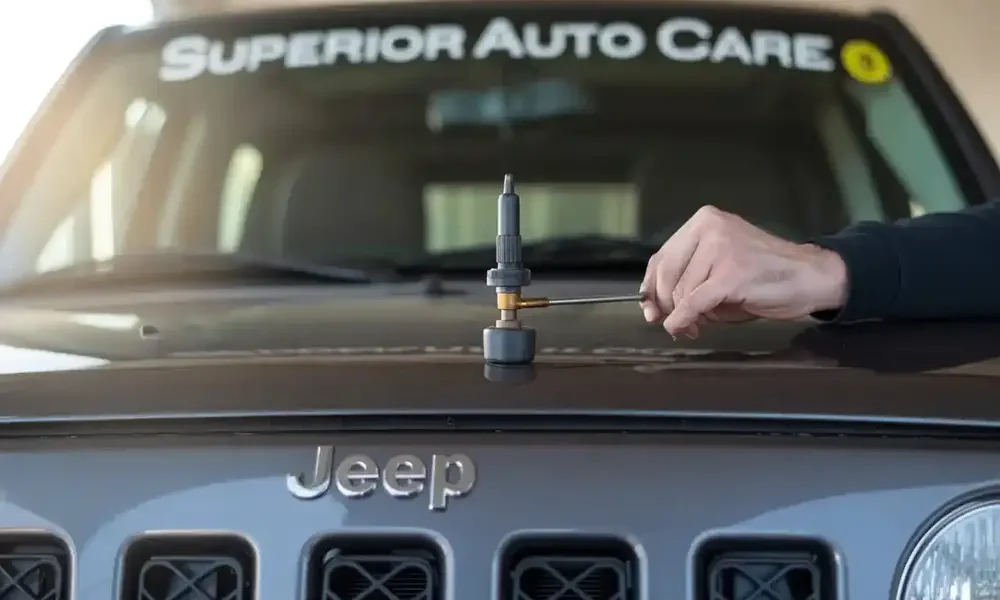
How to replace windshield washer nozzle for 2013 Jeep Patriot is a simple but essential maintenance task that helps keep your visibility clear while driving. Windshield washer nozzles spray cleaning fluid onto your windshield to remove dirt, debris, or road grime—especially important during bad weather or dusty conditions. For owners of a 2013 Jeep Patriot, maintaining these nozzles is just as crucial as checking wipers or tire pressure. Whether you need to replace a 2014 Jeep washer nozzle or are focused on replacing windshield washer nozzles on similar Jeep models, this guide walks you through the process clearly. We’ll cover everything from identifying signs of failure to installing new nozzles with basic tools at home. Importance of Windshield Washer Nozzles Windshield washer nozzles play a crucial role in keeping your windshield clean, especially during dusty drives, rainy weather, or when mud splashes up from the road. These small components are often overlooked, but they directly affect your visibility and driving safety. Why Washer Nozzles Matter for Visibility and Safety Washer nozzles are designed to spray washer fluid evenly across your windshield. When they’re working correctly, they help your wiper blades remove dirt, dust, bugs, and debris instantly. Without working nozzles, your wipers alone can’t clean your windshield properly, which can create smearing and dangerous blind spots—especially at high speeds or during storms. A blocked, broken, or misaligned washer nozzle can reduce spray coverage or even stop spraying entirely. That’s why replacing windshield washer nozzles as soon as you notice a problem is critical. Not only is it inconvenient to drive with a dirty windscreen, but it poses a major risk. How Washer Nozzles Work with the Washer Pump and Wipers The system behind your washer nozzles is simple but effective. When you pull the wiper lever, the washer pump sends fluid from the reservoir to the washer nozzles, which spray it across your windshield. At the same time, the windshield wipers swipe across the glass to remove grime. All three parts—pump, nozzles, and wipers—must work together for clear visibility. If your nozzles are clogged or broken, the whole system fails to clean your windshield, even if the pump and wipers are working fine. That’s why it’s important to replace 2013 Jeep Compass washer nozzle or any other model’s nozzle if you notice weak spray, uneven coverage, or no spray at all. Signs You Need to Replace Your Washer Nozzles Washer fluid sprays in the wrong direction When the washer is turned on, no fluid is released. Only one nozzle sprays, or spray is uneven You see visible cracks or damage on the nozzle These are common signs it’s time for replacing windshield washer nozzles. Fortunately, the fix is simple and inexpensive. In most cases, a replacement takes just a few minutes with basic tools. You can also read about windshield wiper fluid. Signs You Need a Windshield Washer Nozzle Replacement Washer nozzles may be small, but when they stop working right, it affects your visibility and safety. Here are the most common signs that it’s time to consider replacing windshield washer nozzles on your vehicle. If your washer fluid sprays unevenly or doesn’t reach the entire windshield, the nozzles may be clogged or damaged. You’ll often notice streaks or patches of dirt that your wipers can’t clear. This is a strong sign it’s time to replace the 2013 Jeep Compass washer nozzle or whichever model you drive. When you activate the washer system and nothing comes out, the nozzles may be completely blocked or disconnected from the washer hose. If the pump is working but there’s no spray, the nozzles are likely the issue. Any leaking or dripping fluid near the base of your windshield washer nozzles usually means there’s a crack or break in the nozzle housing or the attached tubing. Leaks reduce the pressure needed for a strong spray and signal the need for replacing windshield washer nozzles immediately. If your windshield still looks dusty, smeared, or unclear even after using the washer system, the nozzles might not be doing their job. Dirty glass after spraying usually means the fluid isn’t reaching all areas effectively, making washer nozzle replacement necessary. How to Replace Windshield Washer Nozzle for 2013 Jeep Patriot (Step-by-Step Guide) Windshield washer nozzles are essential for keeping your windshield clear and safe. If you’re experiencing poor spray or no spray at all, it might be time to replace them. Whether you need to replace a 2013 Jeep Compass washer nozzle, a 2014 Jeep washer nozzle, or the one on your 2013 Jeep Patriot, the process is nearly identical. Here’s a simple step-by-step guide. Step 1: Locate the Washer Nozzles on the Hood On top of the hood, usually close to the windscreen, are the washer nozzles. You’ll see small black plastic pieces that aim the spray at your glass. Step 2: Disconnect the fluid hose and open the hood. Pop the hood open and locate the hose connected to the underside of each washer nozzle. Remove the old nozzle’s hose gently. Be careful not to tug too hard to avoid damaging the hose. Step 3: Release the Old Nozzle Using a flathead screwdriver or your fingers, press the clips on the underside of the nozzle. These clips hold it in place. Push them gently until the nozzle pops out from the top of the hood. This same method applies when you need to replace a 2014 Jeep washer nozzle or a 2013 Jeep Compass washer nozzle—the clip mechanism is very similar across models. Step 4: Insert the New Washer Nozzle Take your replacement nozzle and push it into the hole until you hear it click into place. Make sure it’s firmly secured and properly aligned with the hood. Step 5: Reconnect the Fluid Hose Once the nozzle is locked in place, reconnect the washer fluid hose to the new nozzle. It should fit snugly to avoid leaks or weak spray. Step 6: Test the New Nozzle Now, turn on your washer system to test the

How To Replace Windshield Washer Nozzle For 21013 Jeep Patriot Read More »

How to Get Ice Off Windshield Without Scraper | Easy Tips

How To Get Ice Off Windshield Without Scraper

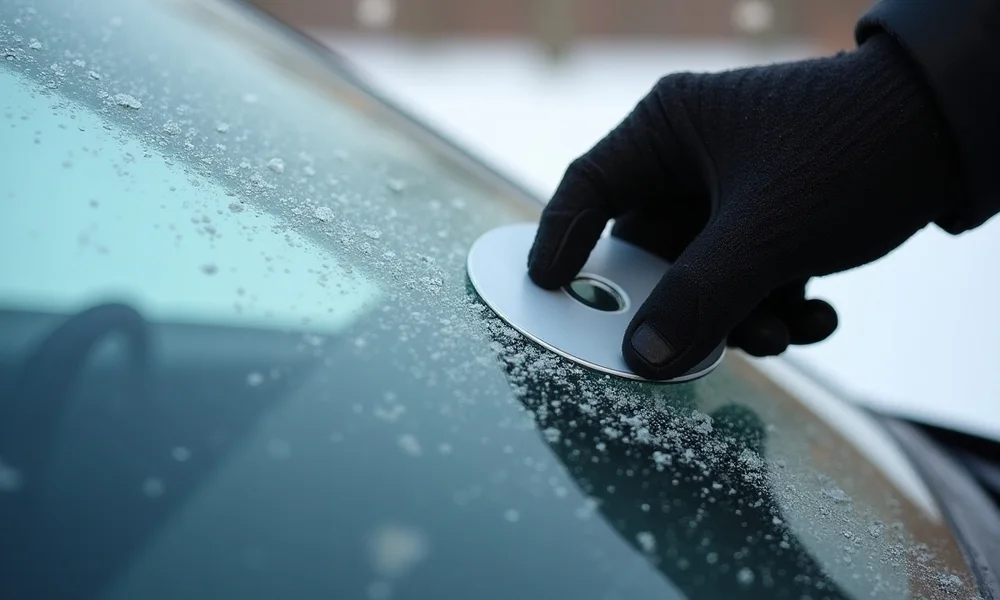
How to get ice off windshield without scraper is a common concern for drivers facing icy mornings without the right tools. When a windshield snow remover isn’t available, and scraping ice off car windows feels like a hassle or even risks scratching the glass it’s helpful to know alternative solutions. Fortunately, there are quick and effective ways to clear frost using everyday household items. From DIY de-icing sprays to preventive techniques that stop ice from forming in the first place, these tips will help you get on the road faster while keeping your windshield safe from damage. Why You May Want to Avoid a Scraper When Scraping Ice Off Car Scraping ice off your car might seem like a quick fix, but relying solely on a scraper isn’t always the best way to get ice off car surfaces. Here’s why: 1. Risk of Scratching the Glass Using a hard plastic or metal scraper can easily scratch your windshield or windows, especially if there’s hidden dirt or debris under the ice. Over time, these scratches can weaken your auto glass, eventually requiring costly repairs or even a full replacement. 2. Not Always Accessible Many drivers forget to keep a scraper in the car, or it gets misplaced during the warmer months. In sudden weather shifts, you might find yourself stuck without one—making scraping ice off car both frustrating and ineffective. 3. Cold Exposure and Inconvenience Standing outside in freezing temperatures, hunched over your windshield while scraping ice off car surfaces, can be extremely uncomfortable and even risky in severe cold. It’s not just inconvenient—it can also be unsafe for those with health conditions. What’s the Best Way to Get Ice Off Car Without Scratching? Instead of scraping, try these safer alternatives: Start your engine and use the defroster: Warm air softens ice so it slides off easily. Use a de-icing spray: A mix of rubbing alcohol and water (2:1 ratio) works well. Cover your windshield overnight: Prevents ice buildup in the first place. You can read about How to Get Sap Off Windshield. 10 Different Ways of How to Get Ice Off Windshield Without Scraper Wondering how to get ice off windshield without scraper on freezing mornings? You’re not alone. Many drivers find themselves without a windshield snow remover or simply prefer to avoid scraping ice off car surfaces altogether. Luckily, there are safe and effective alternatives that won’t scratch your glass or waste time. Below are 10 clever techniques to clear frost and ice even if you’re caught without traditional tools. 1. Homemade De-Icer Spray (Alcohol + Water) In a spray bottle, combine one part water and two parts rubbing alcohol. Spray it directly onto the icy windshield, and watch the ice melt in seconds. It’s one of the best ways to get ice off car windows fast, without needing to scrape. 2. Vinegar & Water Prevention Spray Combine three parts vinegar with one part water and spray it on your windshield the night before. This preventive step reduces ice buildup, making it easier to get ice off windshield without scraper in the morning. 3. Lukewarm Water Trick – Be Careful Lightly mist your windscreen with lukewarm (not hot!) water. While this aids in melting the ice, boiling water should never be used as it might shatter glass. A quick and easy option when you’re short on time or tools. 4. Use Your Car’s Defrost Setting Turn on the defroster to high and start your car. Give it five to ten minutes to run. The interior heat softens the ice from within, making it much easier to remove without using a windshield snow remover. 5. Cover Your Windshield Overnight Place a towel, blanket, or specialized windshield cover over the glass before bedtime. You won’t have to deal with scraping ice off car windows in the morning because this prevents frost and ice from accumulating. 6. Credit Card or Plastic Spatula (Emergency Option)  If you’re stuck without a scraper, use a plastic card or spatula to gently chip away at the ice. Avoid metal tools that could scratch the glass. This DIY solution works in a pinch when you really need to get ice off windshield without scraper tools. 7. Straight Rubbing Alcohol Spray For stubborn ice patches, spray undiluted rubbing alcohol directly on the windshield. It evaporates quickly and breaks down ice efficiently one of the best ways to get ice off car windows without risking scratches. 8. Battery-Powered Hair Dryer or Car Heater A portable heater or battery-operated hair dryer can help melt the ice using warm air. This gentle method avoids harsh contact and saves your windshield from unnecessary wear and tear. 9. Microwave Rice Sock Method Fill a sock with uncooked rice and microwave it for about 30 seconds. Press it lightly on the inside of your windshield to warm the glass, which loosens the ice from the outer surface. It’s a surprisingly effective method no scraping ice off car required. 10. Let the Sun Help – Park Facing East Whenever possible, park your car facing the sunrise. The early sun naturally warms the windshield and helps melt overnight ice. It’s a simple trick that reduces the need for manual de-icing. How to Prevent Ice on Windshield Overnight Waking up to a frozen windshield can slow down your morning. Instead of scraping ice off car surfaces in the cold, try these simple tips to prevent ice on your windshield overnight—saving time and protecting your glass. 1. Use a Windshield Cover or Tarp Your windscreen is shielded from the weather with a specialised windscreen snow remover cover or simply a plain tarp. In the morning, just remove the cover—no ice, no hassle. 2. Park in a Garage or Under Cover Parking your car in a garage or under a carport keeps it protected from frost and snow. This is one of the most effective ways to avoid scraping ice off car glass altogether. 3. Apply Anti-Frost Sprays or Rain Repellents Use a store-bought anti-frost spray or a

How To Get Ice Off Windshield Without Scraper Read More »

Can You Tint Your Windshield? Texas Laws Explained

Can You Tint Your Windshield

Can you tint your windshield? Yes, but with very specific limits depending on where you live. In addition to keeping your car cooler, a tinted windscreen can assist cut down on glare and filter dangerous UV rays. However, windshield tinting also raises important questions about road safety, visibility at night, and—most importantly—legal compliance. In many states, including Texas, there are strict rules about how much of your windshield can be tinted and how dark that tint can be. Drivers must follow these laws to avoid fines, inspection issues, or even orders to remove the tint. Texas, in particular, has clear regulations about where and how windshield tinting is allowed, especially when it comes to the front windshield and visibility lines like the AS-1 mark. Can You Tint Your Windshield? It is legal to tint your windscreen, but only in certain circumstances. Most U.S. states permit front windshield tint as long as it meets visibility standards and doesn’t interfere with driver safety. The key is knowing how much tint is legal where you live. Federal vs. State Laws on Windshield Tinting   Federal Guidelines: The Federal Motor Vehicle Safety Standards (FMVSS) require all auto glass to allow at least 70% of visible light transmission (VLT). This guarantees that drivers can see clearly, particularly in bad weather or at night. State-Specific Laws: States interpret these federal guidelines differently. For example: California only permits a 4-inch non-reflective tint strip on the front windscreen. Texas also permits a 5-inch strip or above the AS-1 line (whichever is more restrictive). Florida requires at least 70% VLT on the windshield. Check your state’s Department of Transportation or DMV website to know what’s allowed in your area. Common Types of Windshield Tints Knowing your alternatives is helpful if you’re thinking about tinting your windscreen: 1. Ceramic Tint High heat rejection UV and glare protection No signal interference More expensive but offers superior clarity 2. Dyed Film Least expensive option Absorbs heat and reduces glare Wears out faster and may fade over time 3. Clear UV Films (Invisible Tint) No dark shade—keeps the windshield clear Blocks up to 99% of UV rays Ideal if you want protection without darkening Because they adhere to visibility regulations, these are frequently used for legal front windscreen tinting. Benefits of Tinting a Windshield Blocks harmful UV rays Reduces glare from sunlight and headlights Keeps your car cooler Protects your dashboard and interior from fading Enhances comfort and safety You can also read about Different Types Of Auto Window Tint. Can You Tint Your Front Windshield in Texas? Yes, you can tint your front windscreen in Texas, but you have to abide by certain rules. Texas Law on Front Windshield Tint Only the upper part of the windscreen may have front windscreen tint, according Texas Transportation Code 547.613. Usually encompassing the upper five inches of the glass, this region is referred to as the AS-1 line. Any tint below this line is not allowed unless it meets very specific conditions. What Type of Tint is Allowed? Non-reflective tint is required above the AS-1 line. The colour of the tint cannot be blue, amber, or red. No tint is permitted below the AS-1 line on the front windshield, unless you have a medical exemption. Medical Exemption for Windshield Tinting Texas does permit some people to request for a medical exemption if they have specified medical conditions. If approved, you may install darker front windshield tint to help reduce sun exposure. You must carry this exemption with you while driving. Penalties for Illegal Windshield Tint In Texas, driving with an illegal front windscreen tint can result in: A ticket or fine A requirement to remove or replace the tint Issues during vehicle inspections Why People Consider Windshield Tinting Many drivers want to tint their windshields to: Block UV rays Reduce heat inside the vehicle Reduce the amount of sun or headlight glare. Just make sure the tint you’re installing is within the legal limits. How Dark Can You Tint Your Windshield in Texas? In Texas, the law allows some windshield tinting, but there are clear rules on how dark it can be. This is measured using Visible Light Transmission (VLT). What is VLT (Visible Light Transmission)? The percentage of visible light that enters through the window is known as VLT. A deeper tint results from a lower VLT, whereas a greater VLT indicates more light passing through (lighter tint). Legal Tint Limits for Windshield Texas law only allows a tinted windshield on the top 5 inches or above the AS-1 line (whichever comes first). Type: Non-reflective tint only VLT Requirement: No specific percentage for the top strip, but the rest of the windshield must remain clear unless you have a medical exemption Front Windshield vs Front Side Windows – What’s the Difference? While the front windshield can only be lightly tinted at the top, front side windows have different rules: Window Type Allowed VLT (%) Notes Front Windshield Only above AS-1 Must be non-reflective Front Side Windows 25% VLT Must allow at least 25% of light through This implies that, provided it satisfies the VLT limit, side window tinting can be noticeably darker than windscreen tinting. What Is Considered Too Dark? For Texas, any tinted windshield that: Extends below the AS-1 line, or Uses reflective, colored, or dark film beyond what’s legal …is considered too dark and illegal under state law. Also, if your front side window tint goes below 25% VLT, it’s also too dark and could lead to: A failed vehicle inspection Fines or citations Required removal of the illegal tint Medical Exceptions A medical exception that permits darker windscreen tinting may be available to drivers with certain medical problems. This exemption needs to be carried in the car and authorised by the Texas Department of Public Safety. You can also read about Should I Remove Car Window Tint By Myself. What Are Texas Window Tint Laws? Texas has specific laws for window tinting based on which part of the vehicle you’re

Can You Tint Your Windshield Read More »

How to Get Sap Off Windshield | Easy Step-by-Step Guide

How to Get Sap Off Windshield Fast | 5 Easy Steps

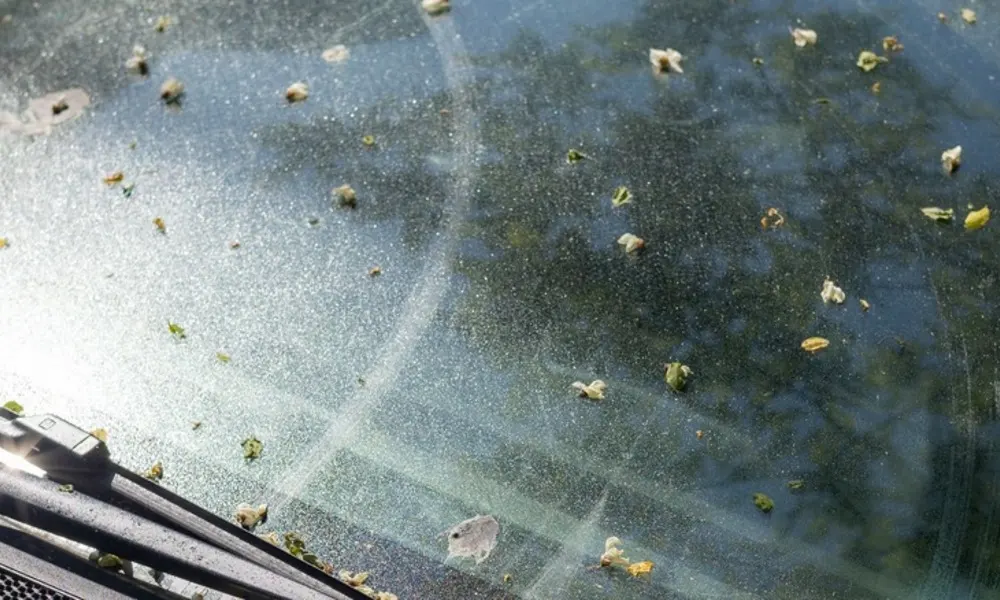
Tree sap on your windshield is more than just a sticky mess. If you leave it too long, it can bake under the sun and bond to the glass like glue. Standard wipers and washer fluid often make it worse by smearing the goo across your view. To get it off safely, you need to dissolve the resin without scratching the glass. The most effective way to remove sap is by using a solvent like rubbing alcohol. Simply soak a microfiber cloth in the alcohol and hold it against the sap for one minute to soften the bond. Afterward, wipe it away and wash the glass with soapy water for a clear finish. This method is the best answer for How to Get Sap Off Windshield without causing damage. Why It’s Hard to Remove Tree Sap from Glass and Paint Tree sap is a complex mix of sugars and resins. When it hits your car, it is a liquid. However, as the moisture evaporates, it turns into a hard, amber-like substance. This resin acts as a natural adhesive. Because sap is organic and sticky, it does not dissolve in water alone. This is why a quick car wash usually fails. On glass, it creates a bumpy texture that can ruin your wiper blades. On paint, the acidic nature of the sap can actually eat into the clear coat if left in the heat. What Not to Use to Clean Tree Sap from the Auto Glass and Paint It is tempting to grab a kitchen scrubber or a sharp knife to peel sap away. Please avoid this. Metal blades and abrasive pads will leave permanent scratches on your windshield. These marks are often more expensive to fix than the sap itself. Also, avoid using gasoline or harsh industrial thinners. These chemicals can melt the rubber seals around your windows. They can also strip the wax and paint off your car body. Stick to automotive-safe methods to keep your vehicle in top shape. Does Windex, WD-40, or Dawn Dish Soap Remove Tree Sap from a Windshield? Windex alone won’t remove tree sap from windshield effectively. It’s designed for light cleaning, not breaking down sticky resins. You might remove fresh, soft sap, but hardened deposits need stronger solutions. WD-40 actually works well for sap on windshield removal. The petroleum-based formula breaks down resin bonds without harming glass. Spray it on, let it sit for a minute, then wipe clean. Just make sure to wash the area with soap after. Dawn dish soap is your best friend for this job. Its grease-cutting formula softens sap when mixed with warm water. Dawn is gentle enough for daily use but strong enough to tackle sticky messes. Many car owners combine these products for better results. Start with WD-40 to loosen the sap, then clean with Dawn to remove residue. This two-step approach handles even stubborn deposits. Commercial sap removers work faster but cost more. They contain specific solvents designed for tree resin. Bug and tar removers also work since they target similar sticky substances. The key is giving products time to work. Don’t expect instant results. Let the cleaner sit for 3-5 minutes to penetrate the sap before wiping. You can also read about:  What Are The Black Dots On My Windshield. How to Get Sap Off Windshield in 5 Easy Steps Step 1: Soften the Sap Park your car in a warm spot or wait for a sunny day. Heat makes sap pliable and easier to remove. If it’s cold outside, run your defroster on high for 10 minutes. You can also pour warm (not hot) water over the sap. The warmth loosens the bond between resin and glass. Keep the water around 100-110 degrees Fahrenheit. Step 2: Apply Your Cleaning Solution Spray WD-40 or rubbing alcohol directly onto the sap spots. Cover the entire affected area generously. Don’t be stingy with the product you need full saturation. For windshield sap removal using household items, mix Dawn dish soap with warm water in a spray bottle. Use a 1:3 ratio of soap to water. Spray liberally and let it soak. White vinegar mixed with water (50/50) also works for removing sap from windshield. The acidity breaks down the sticky compounds. This method takes longer but is very budget-friendly. Step 3: Let It Soak Give your chosen solution 5-10 minutes to work. This waiting period is critical. The cleaner needs time to penetrate and dissolve the hardened resin. Cover the area with a damp cloth to prevent evaporation. This keeps the solution active longer. For thick sap deposits, you might need 15 minutes of soak time. Check the sap every few minutes. When it starts looking darker or shiny, it’s ready to wipe. The color change means the bonds are breaking down. Step 4: Wipe Away the Sap Use a microfiber cloth to gently rub the softened sap. Work in small circular motions. Don’t press hard, let the cleaner do the work. For stubborn spots, apply more solutions and repeat the process. Multiple light applications work better than one aggressive scrubbing session. Patience prevents scratches. If you’re removing hardened tree sap from the car windshield, use a plastic credit card to gently lift edges. Hold it at a 45-degree angle. Never use metal tools. Keep fresh clothes handy. Switch to a clean section when your cloth gets saturated with sap. Dirty clothes can smear resin around instead of removing it. Step 5: Clean and Polish Wash the entire windshield with regular glass cleaner after removing the sap. This eliminates any oily residue from WD-40 or cleaning solutions. Use a clean microfiber cloth for streak-free results. Follow up with a quality glass polish if needed. This restores clarity and removes any light haziness. Apply in straight lines using minimal pressure. For paint areas that had sap, wash with car soap and apply wax. The wax protects the clear coat and makes future clean tree sap from windshield tasks easier. It creates a barrier against new deposits.

How to Get Sap Off Windshield Fast | 5 Easy Steps Read More »

Scroll to Top