
Reliable Auto Glass

Texas Blog

How to Remove Scratches from Car Windows | Quick Tips

How To Remove Scratches From Car Windows

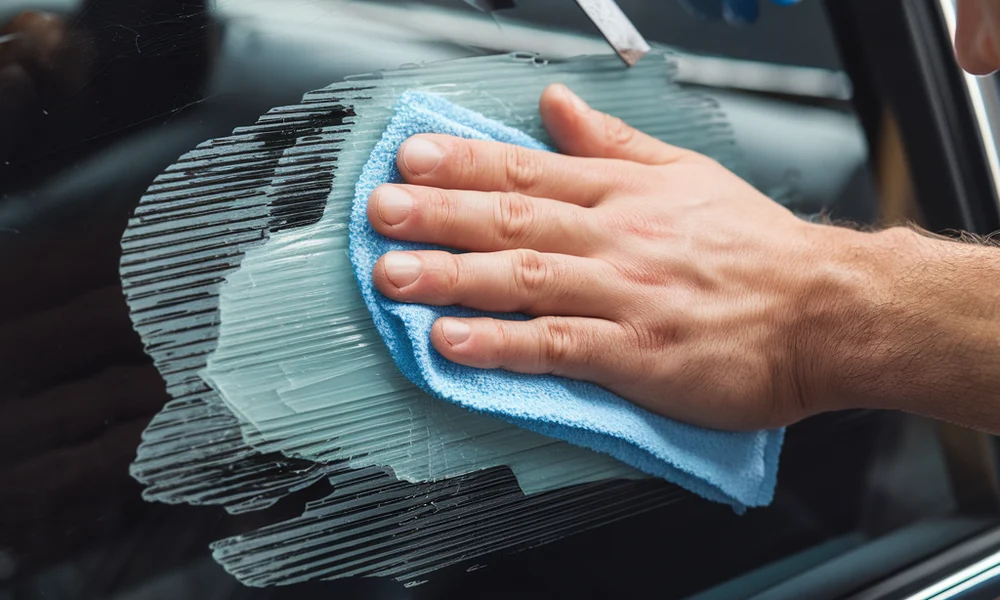
How to remove scratches from car windows is a common concern for many car owners. Scratches on car windows can be unsightly and negatively impact the overall appearance of your vehicle. More importantly, if not addressed, they can even affect visibility and safety while driving, especially if they obstruct the driver’s line of sight. Whether the scratches are minor or more severe, addressing them promptly is essential not only for maintaining the aesthetics of your car but also for ensuring clear and safe driving conditions. Understanding the Types of Scratches on Car Windows When it comes to maintaining your car, the condition of the windows plays a crucial role not only in aesthetics but also in safety. Scratches on car windows are a common issue that can arise from various sources, including debris, contact with rough surfaces, or even improper cleaning techniques. It’s important to understand the different types of scratches that can appear on your car’s glass to address them effectively. Here’s a breakdown of the types of scratches you might encounter on car windows: 1. Superficial Scratches Superficial scratches are light, surface-level abrasions that don’t penetrate deeply into the glass. These minor scratches often occur when dirt, dust, or small debris come into contact with the window’s surface. They are usually not visible from a distance but can be noticed when the light hits the glass at certain angles. Fortunately, superficial scratches are relatively easy to treat. If you want to remove glass scratches from your car, there are several DIY methods that can help buff these marks out. Special glass polish products or a simple home remedy using baking soda and water can help improve the appearance without affecting the glass integrity. 2. Deep Scratches Deep scratches are more severe abrasions that penetrate further into the glass and can sometimes cause visible lines or grooves. These types of scratches occur when sharp objects, such as rocks or hard debris, strike the window with more force. Deep scratches can impact the window’s structural integrity, making it more vulnerable to breaking or shattering. These types of scratches often require professional intervention, and in some cases, they may be too deep to completely repair. If you have a windshield with a deep scratch, it may be worth considering windshield scratch repair to prevent further damage or to maintain the strength of the glass. 3. Hazardous Scratches Hazardous scratches are the most severe and potentially dangerous type of scratch. These are often characterized by cracks, chips, or deep gouges that can compromise the safety of the vehicle. A hazardous scratch could eventually lead to glass breakage or failure under stress, such as during a collision or extreme weather conditions. These scratches can cause distorted vision or reduce the effectiveness of the glass in protecting against debris. If you notice a hazardous scratch, it’s important to address the issue immediately by consulting a professional for windshield scratch repair. Ignoring these scratches could result in higher repair costs or even the need for a full window replacement. For windshield replacement in Austin contact Texas Reliable Auto Glass. Is It Possible to Fix Scratched Auto Glass? Scratched auto glass is a common problem that many car owners face, but the good news is that in many cases, scratches can be repaired. The process of fixing scratched auto glass depends on several factors, including the type and depth of the scratch, the condition of the glass, and whether you choose to attempt a DIY repair or hire a professional. Here’s an in-depth look at the factors you should consider when deciding how to fix scratched auto glass: Factors to Consider 1. Type and Depth of the Scratch The most important factor in determining whether a scratch can be fixed is its type and depth. Minor, surface-level scratches are often more easily repaired using products like an auto glass scratch remover or DIY methods. These types of scratches typically don’t penetrate deeply into the glass and can often be buffed out, improving the appearance of the window. However, deeper scratches or those that affect the integrity of the glass are more difficult to repair and may require professional intervention. If the scratch has caused a crack or chip, it might be best to seek professional auto window scratch repair services. 2. Age of the Vehicle and Condition of the Glass The age of the vehicle and the overall condition of the glass also play a role in whether a scratch can be fixed. Older vehicles may have glass that has become more brittle over time, making it more susceptible to damage. If your vehicle’s glass is already weakened by previous damage or wear, even a small scratch could lead to larger issues down the line. In such cases, a professional repair might be necessary to prevent further damage. Additionally, if the glass has already been scratched multiple times, it could be more difficult to achieve a flawless repair. DIY vs Professional Repair DIY Repairs: Pros and Cons Pros: DIY repairs for minor scratches can be a cost-effective solution. There are a variety of products available, such as auto glass scratch removers, that claim to remove or reduce the appearance of scratches. For light, superficial scratches, many car owners find that these DIY methods can work well. DIY fixes can also be convenient since you can handle the repair at your own pace and don’t need to wait for professional services. Cons:The biggest downside to DIY repairs is that they may not always be effective, especially if the scratches are deep or numerous. Improper techniques or the use of the wrong products could potentially worsen the scratch or cause additional damage. DIY fixes also may not restore the glass to its original condition, and in some cases, they may simply mask the appearance of the scratch without fully addressing the problem. Professional Repair: Pros and Cons Pros: Professional auto window scratch repair offers a higher likelihood of a successful and long-lasting fix, especially for deep or

How To Remove Scratches From Car Windows Read More »
Single Pane vs Double Pane Windows | Which is Better?

Single Pane Vs Double Pane Windows: Which Is Best for Your Car?

Choosing between window types for your car affects comfort, cost, and safety. Most drivers don’t think about their windows until there’s a problem. But understanding the difference can save you money and keep you comfortable year-round. Single Pane Vs Double Pane Windows is a common question when replacing car glass. Single pane windows use one layer of glass while double pane windows have two layers with an air gap between them. This simple difference changes how your car handles temperature, noise, and energy costs. What is Single-Pane Car Windows Single pane windows are the standard for the auto world. Most cars on the road use this type of glass. It is made from a single sheet of tempered glass. Tempered glass is very strong. Manufacturers heat the glass and then cool it very fast. This process makes the glass hard. When this glass breaks, it turns into small, blunt pieces. This is a safety feature. It prevents large, sharp shards from hurting people in a crash. Single pane windows are light. This helps the car stay fast and save on gas. These windows are great for basic needs. They protect you from wind and rain. They are also very clear. You can see the road without any distortion. Most people are happy with single pane glass. It is the most affordable way to build a car. However, it does not block much heat. It also lets in a lot of noise from the road. What is Double-Pane Car Windows Double pane windows use two layers of glass. These layers have a thin piece of plastic between them. This plastic is often called PVB. It acts like glue to hold the glass together. This design is called laminated glass. In the past, only windshields were laminated. Now, many high end cars use it for side windows too. People also call these double pane car windows. The main goal of this glass is to stop noise. It creates a barrier that sound waves cannot easily pass through. This glass is much thicker than a single sheet. It feels solid and heavy. If it breaks, the plastic layer keeps the glass in one piece. This makes it much harder for someone to break into your car. It also keeps you safer during an accident. The glass will not fly everywhere. Single Pane Vs Double Pane: Key Differences The main difference between single and double pane window types is structure. Single uses one glass layer. Double uses two with a gap between. Temperature Control Single pane windows let heat pass through easily. Your car heats up faster in summer and cools down faster in winter.Dual pane car windows trap air between layers. This slows heat transfer in both directions. Your car stays cooler in heat and warmer in cold. Noise Reduction Single pane windows block basic noise. You’ll still hear traffic, wind, and road sounds clearly.Double pane windows car models reduce noise better. The air gap absorbs sound waves. This cuts down on highway noise and city sounds. Weight and Fuel Impact Single pane windows are lighter. Less weight means slightly better fuel economy.Cars with double pane windows add extra pounds. This can reduce fuel efficiency by a small amount. Most drivers won’t notice the difference. Installation Complexity Single pane windows are easier to install. Most shops can handle them without issues.Double pane windows need careful handling. The seal must stay intact. This requires more time and skill. Condensation Issues Single pane windows can fog up easily. Temperature differences cause moisture to form.Double pane windows resist condensation better. The air gap prevents cold outside air from reaching the warm inside surface. Which One is More Energy Efficient?   Energy efficiency is a major win for double pane glass. Glass is not a good insulator. Heat moves through it very fast. In the summer, the sun bakes your car. In the winter, the cold air chills the cabin. Single pane windows offer very little protection. Your air conditioner has to work hard to stay cool. This uses more gas or battery power. If you have an electric car, this can lower your range. Dual pane car windows act like a shield. The plastic layer and the extra glass block the heat. This keeps the cabin at a steady temperature. You will not feel the “oven effect” as much when you get in your car on a hot day. For people in places like Texas, this is a lifesaver. It keeps the sun from burning your skin through the glass. It also protects your seats from fading. UV rays are blocked more effectively by the double layers. This means your car stays looking new for longer. You can also read about Windshield replacement in Austin Texas. Cost Comparison: Single Pane Vs Double Pane Windows Price is where these two types differ the most. Single pane windows cost much less than double pane options. Single Pane Windows Cost A typical single pane car window replacement runs $200 to $500. This includes the glass and installation labor. Side windows are usually cheaper than windshields. Rear windows fall in the middle. The exact price depends on your car model and where you live. Most insurance policies cover single pane replacement. Your deductible might be $100 or less. Some states require zero deductible for glass. Double Pane Windows Cost Double pane car windows cost $500 to $1,200 per window. The price jumps because of materials and labor.Installation takes longer too. Technicians must handle the sealed unit carefully. Any damage means ordering a new window.Finding replacement double pane windows is harder. Not all shops stock them. You might wait days or weeks for the right part. Insurance coverage varies for double pane windows. Some policies treat them like standard glass. Others might not cover the extra cost. Long-Term Value Single pane windows offer good value for most drivers. They’re cheap to replace and widely available.Double pane windows might save money over time. Lower energy use means less spent on fuel or

Single Pane Vs Double Pane Windows: Which Is Best for Your Car? Read More »

How to Replace Car Window Regulator | 5 Easy Steps

How To Replace Car Window Regulator

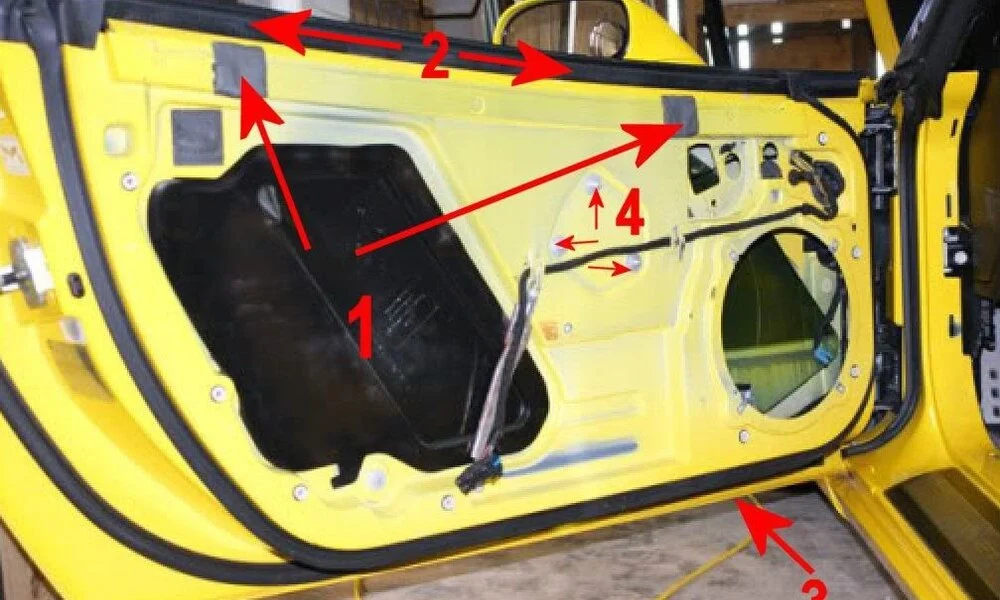
How to replace a car window regulator is an important task for anyone facing issues with their windows. A functioning window regulator is vital for smooth window operation, ensuring safety, comfort, and convenience while driving. A malfunctioning regulator can cause windows to get stuck or move slowly, leaving you with a frustrating or unsafe situation. Common signs of a broken window regulator include slow or stuck windows, or hearing strange grinding or clicking sounds. If you notice these issues, it may be time to replace a window regulator to restore proper function and prevent further damage. How Your Vehicle’s Power Windows Work Power windows in vehicles allow you to raise and lower the windows with the push of a button, offering convenience compared to manual windows. The system consists of several components that work together to make this process possible. Basic Components of Power Windows Window Motor: This is the motor that powers the movement of the window up and down. It’s usually located inside the door panel. Switch: This is the button you press to control the window. When you press the switch, it sends a signal to the motor to move the window. Window Regulator: The window regulator is an important part that physically moves the window up and down. It connects to the window and the motor, allowing the window to move smoothly within the door. Wiring and Relay: These parts connect the motor and the switch, providing electrical power to run the system. How It Works When you press the switch to open or close a window, it sends an electrical signal to the motor. The motor then turns, activating the window regulator. The regulator has a series of gears or a cable system that helps to lift or lower the window. If the window is not moving properly, it could be due to a problem with any of these parts. One common issue is a malfunctioning window regulator. Over time, the regulator can wear out, causing the window to become stuck or move unevenly. In such cases, you may need to replace the window regulator to restore the proper function of the power window. Types of Power Window Regulators There are several types of power window regulators, each with its unique mechanism and uses. Here’s an overview of the most common types: 1. Cable-Driven Regulators Cable-driven regulators use a system of cables, pulleys, and a motor to move the window up and down. The motor turns the cables, which in turn lift or lower the window. How They Function: When the motor runs, it pulls on the cables, causing the window to rise or fall. The cables are typically connected to a set of pulleys that help guide the movement of the window. Common Applications: Cable-driven regulators are often found in vehicles with compact or complex door designs where space inside the door is limited. They are also commonly used in more modern cars due to their compact size and reliability. 2. Scissor-Style Regulators Scissor-style regulators use a series of interconnected arms that operate in a scissor-like motion to move the window. These arms are connected to the window and are driven by the motor. How They Function: The motor moves the arms, which “scissor” to lift or lower the window. As the motor turns, the arms fold or unfold, causing the window to move. This design creates a smooth, even movement as the window is raised or lowered. Typical Applications: Scissor-style regulators are often found in older vehicles or those with larger window openings. They are commonly used in vehicles where the space inside the door allows for the larger, more mechanical design of the scissor arms. 3. Dual-Arm Regulators Dual-arm regulators have two arms that work together to move the window. These arms are typically arranged in parallel and are driven by a motor to raise or lower the window smoothly. How They Function: The motor turns a mechanism that moves the two arms in parallel, causing the window to rise or fall. This design helps distribute the load of the window evenly across both arms. Benefits: The dual-arm design helps with better weight distribution and can handle heavier windows more efficiently. This makes them ideal for larger windows or heavier glass. They are also generally known for providing smoother and quieter operation compared to other types of regulators. 4. Comparison of Types: Which Regulator is Suitable for Different Vehicle Models Cable-Driven Regulators: These are typically used in newer vehicles and are great for vehicles with limited space in the door. They are compact, reliable, and easier to install in modern designs. Scissor-Style Regulators: Often found in older vehicles or those with larger windows. They are good for applications where the window needs to move over a longer range, and there is enough room for the scissor mechanism. Dual-Arm Regulators: Best suited for larger, heavier windows found in vehicles like SUVs, trucks, or luxury cars. They provide smooth operation and are often used in vehicles where durability and weight capacity are important factors. For car window repair in Austin contact no other than Texas Reliable Auto Glass. 5 Easy Steps to Replace a Car Window Regulator If you’re experiencing issues with your power window, fixing a window regulator might be necessary. Here’s a simple guide to help you replace a faulty window regulator. Step 1: Gather Necessary Tools and Materials Before you start replacing the window regulator, make sure you have all the necessary tools. You’ll need: Screwdrivers (Phillips and flathead) Socket set (with various sizes) Replacement window regulator Trim panel removal tool (to remove the door panel without damaging it) Needle nose pliers (for handling clips or small fasteners) Torx drivers (in case your vehicle uses them) Having all these tools ready will make the process smoother and faster. Step 2: Remove the Door Panel The first step to accessing the window regulator is removing the door panel. Here’s how: Locate and remove screws: Start by finding any screws on the

How To Replace Car Window Regulator Read More »

How to Clean Glue Residue from Car Window – Step by Step

How To Clean Glue Residue From Car Window

How to clean glue residue from car window properly is important to maintain clarity and avoid damage. Sticky residue from stickers or tape can attract dirt and obstruct your view, making your car look unkempt. If not cleaned correctly, it can also become harder to remove over time. Using the right cleaning techniques prevents scratches and streaks. To get rid of sticker residue from car window, use safe solvents like rubbing alcohol, vinegar, or adhesive removers. Gently scrubbing with a microfiber cloth ensures a clear, streak-free finish without harming the glass. Supplies You’ll Need to Clean Glue from Car Window Removing glue from a car window requires the right tools to ensure a clean, streak-free surface without damaging the glass. Whether it’s sticker residue, tape marks, or leftover windshield adhesive, having the right windshield adhesive remover and cleaning supplies makes the job easier. Here’s a list of essential items and why they’re useful: 1. Windshield Adhesive Remover A specialized adhesive remover is designed to break down strong automotive adhesives without harming the glass. It works effectively on stubborn glue residues, making removal easier. 2. Rubbing Alcohol (Isopropyl Alcohol) Helps dissolve adhesive residue and evaporates quickly, leaving no streaks behind. Ideal for cleaning small glue spots. 3. White Vinegar A natural and mild adhesive remover that loosens glue bonds without damaging the glass surface. It’s also safe and eco-friendly. 4. Plastic Scraper or Razor Blade Useful for carefully scraping off excess glue without scratching the window. A plastic scraper is safer, but a razor blade can work for tougher residues when used at the correct angle. 5. Microfiber Cloth Soft and non-abrasive, a microfiber cloth helps wipe away residue without leaving streaks or scratches. 6. Soapy Water (Mild Dish Soap & Warm Water) A gentle solution for initial cleaning and removing loosened glue particles after applying an adhesive remover. 7. Glass Cleaner After removing the glue, a glass cleaner ensures a clear, spotless finish with no streaks or residue left behind. By using these supplies, you can effectively clean glue from your car window without damaging the glass. If the adhesive is particularly tough, repeating the process with a windshield adhesive remover will ensure a spotless, residue-free surface. You can also read about car window repair in Austin. How to Clean Glue Residue from Car Window: The Essentials Removing glue residue from a car window requires the right approach to avoid damage while ensuring a spotless finish. Whether it’s leftover sticker adhesive, tape marks, or cleaning window tint glue, using the correct techniques will make the process easier. Follow this step-by-step guide for efficient glue removal. Step 1: Start with Warm, Soapy Water Mix a few drops of mild dish soap with warm water. Use a microfiber cloth to wipe the affected area, loosening the adhesive. Let it sit for a few minutes before gently scrubbing to see if the glue comes off. Step 2: Apply Rubbing Alcohol or Vinegar for Stubborn Residue If soap and water don’t work, soak a clean cloth in rubbing alcohol or white vinegar and press it onto the glue for a few minutes. These solutions help break down tougher adhesives, making them easier to wipe away. Step 3: Scrape Off Residue Using a Plastic Scraper or Old Credit Card Gently scrape the softened glue with a plastic scraper or an old credit card to avoid scratching the glass. Avoid using metal blades directly on the glass, as they can cause scratches. Step 4: Repeat if Necessary For stubborn cleaning window tint glue, reapply rubbing alcohol or vinegar and scrape again. Use a microfiber cloth to remove any leftover residue. Step 5: Finish with a Glass Cleaner Once the glue is fully removed, spray a glass cleaner on the window and wipe it down for a clear, streak-free finish. Safety Precautions Always use plastic scrapers or soft cloths to prevent scratching. Test rubbing alcohol or vinegar on a small area first to ensure compatibility. Work in a shaded area to prevent solutions from evaporating too quickly. By following these steps, you can effectively remove glue residue without damaging your car window. Whether dealing with old stickers or cleaning window tint glue, the right approach ensures a clean and polished finish. What Type of Cooking Oil Removes Window Sticker Residue? Cooking oils like olive oil, coconut oil, and vegetable oil can effectively break down adhesive and remove sticker residue from car windows. These oils work by softening the glue, making it easier to wipe away without damaging the glass. How Cooking Oils Help Remove Adhesive Cooking oils contain natural fats that penetrate the sticky residue, loosening its grip on the surface. Unlike harsh chemical removers, oils are non-toxic and safe to use, especially on delicate surfaces. Best Cooking Oils for Removing Window Sticker Residue Olive Oil – Penetrates adhesive quickly and is easy to wipe off. Coconut Oil – Has a thicker consistency, making it effective for stubborn glue. Vegetable Oil – A budget-friendly option that works well for general adhesive removal. Step-by-Step Guide to Removing Glue with Cooking Oil Step 1: Apply Cooking Oil Pour a small amount of your preferred cooking oil onto a clean microfiber cloth or paper towel. Dab the oil onto the sticker residue, ensuring full coverage. Step 2: Let It Sit Allow the oil to soak into the adhesive for 5–10 minutes to break down the glue. For tougher residue, leave it on longer or apply more oil. Step 3: Wipe Away the Glue Use the same cloth to rub the area gently. If needed, scrape off loosened residue with a plastic scraper or an old credit card. Step 4: Clean the Glass After the glue is gone, clean the window with warm, soapy water or a glass cleaner to remove any oily residue. Wipe with a dry microfiber cloth for a streak-free finish. Cooking Oil vs Chemical-Based Removers Feature Cooking Oils (Olive, Coconut, Vegetable) Chemical-Based Adhesive Removers Effectiveness Works well but may take longer Works faster on strong adhesives Safety

How To Clean Glue Residue From Car Window Read More »

Why Are My Car Windows Fogging Up Inside?

Why Are My Car Windows Fogging Up Inside? Quick Fix Guide

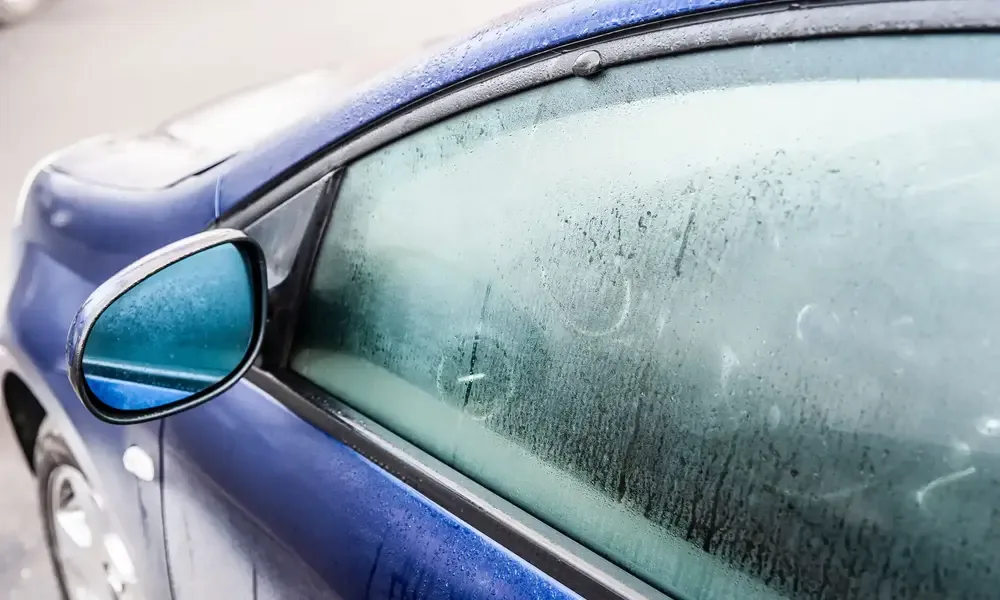
If you already opened this article because the car window fogged up! question, then you’re right this phenomenon is irritating on the road, where visibility is important for our own drivers and others. A lot of drivers have this question on their mind, Why Are My Car Windows Fogging Up Inside? It’s not just a nuisance when condensation shows up on the inside of your car’s windows, but it can also be a hazard by limiting your line of sight. So, indeed, it can occur in both summer and winter, and it’s a mystery to drivers, even if there is a possibility of causing the accident.  The good news is, once you know how window fog forms and what makes your car too moist, you’ll have an easier time stopping and dealing with it. What Causes Car Windows to Fog Up Inside? The main cause of car windows fogging up inside is warm, moist air in your vehicle. Many people notice their car windows fog up immediately after they start driving, and it’s easy to understand why moisture is constantly collecting on the inside of your cabin, even on the shortest of rides. You don’t realize how much moisture you carry into your car every day from doing daily things. Wet clothing, damp shoes, rain-soaked umbrellas, and even the humidity in your breath are all contributing factors to an over-moisturized cabin. Your car’s HVAC system is no exception. When the recirculation mode is on, it just raises the humidity inside the car and contributes to fog formation in the car. After identifying these issuers, you will see the effect of the wave and the Correction to expect will become clearer.  Why Are My Car Windows Fogging Up Inside Even With the AC On? You may long for the air conditioner when summer days come, but this is what nobody says: you still have to deal with fog. Why do windows fog up in car reviewers often ask this question, wondering if it’s related to the car using AC or heaters. It’s usually due to system imbalances or maintenance needs. Below are the leading drivers of this condition: 1. A Failing AC Compressor Now that you have tested the relay, let’s test the AC compressor motor. Your air conditioner does more than just blow cold air it also removes moisture from the air inside your car or truck. When your AC compressor isn’t working right and isn’t compressing air as it should, it can’t dry the air. Humid air gets trapped inside the car and condenses on the windows when temperature changes occur. It’s  one of the main reasons why even experienced drivers find their windows fogging up when the heat’s on. 2. Clogged Cabin Air Filter Smoky odors and particles linger in your ductwork and may eventually be released into your living space. When the cabin door doesn’t open to let fresh air in, the air inside gets humid and clings to the windows. No wonder you can even get fog on the glass when the AC is cranked up full blast, and it really won’t go away. 3. Blocked AC Drain Line While cooling the air in the vehicle, the air conditioner also generates water, which needs to be drained via a tube. When it is plugged in, moisture builds up in the vehicle, creating a very humid environment.  This is also because car windows fogging up inside can occur even on dry days, and it always has drivers scratching their heads.  Why Do Car Windows Fog Up During the Summer? People- get the fog up, fogging is a winter problem, but summer sports traffic, you get fogged up. Warm Side of the Windshield: Here is why this occurs on the warm side ofthe  windshield:     High Outdoor Humidity: The warmer the air is, the more water vapor it can hold. Humid air condenses so fast on the frozen glass as soon as humid air enters the car.     Rapid Temperature Drops: You may have a very hot inside of your car after leaving it out in the sun. With the sudden temperature change in the air conditioner, condensation is being produced on the cold glass.     Wet Items Inside the Car: Your gym bag, bath towel, swimming gear, and your dirty laundry all bring water into your vehicle when the windows are chilled, that moist fog up the windows. Other Lesser-Known Summer Causes Poor Internal Ventilation – Inside Car. When these are closed or covered, moist air is trapped inside your vehicle. No air circulation makes it condense on windows, particularly with the air conditioner in use. HVAC Problems – A coolant leaking heater core or blend dags, blower motors, and evaporator coils may also cause moisture within your air system. Lingering Moisture From Rain – That little bit of water you carry inside on your shoes and pants legs can evaporate inside a car with the windows up. It’s just moisture, which, at the end of the day, builds up on glass in a way that makes you wonder how you managed without it.  How to Clear Foggy Car Windows Fast Fog is dangerous because it can restrict visibility. How To Get Rid of It     Turn on the Defroster: Warm, dry air from your heater melts the ice on the inside of your windshield as warm air from outside works to defrost it on the outside. “That’s the best way to prevent fog from forming inside your car,” says Keating.     Turn Off Recirculation: Any time you shove a bunch of people into a small space, whether it’s a car or a room, moisture condenses on the cold surfaces. A fan and air conditioning can facilitate the taking down of the medicine as well.     Use Heater and AC Together: Use your heater to melt the ice on your windshield, and your AC to take the moisture out of the air. Several systems working together have a much greater combined effect in preventing moisture

Why Are My Car Windows Fogging Up Inside? Quick Fix Guide Read More »

How to Remove Sticker from Car Window in 5 Simple Steps

How To Remove Sticker From Car Window

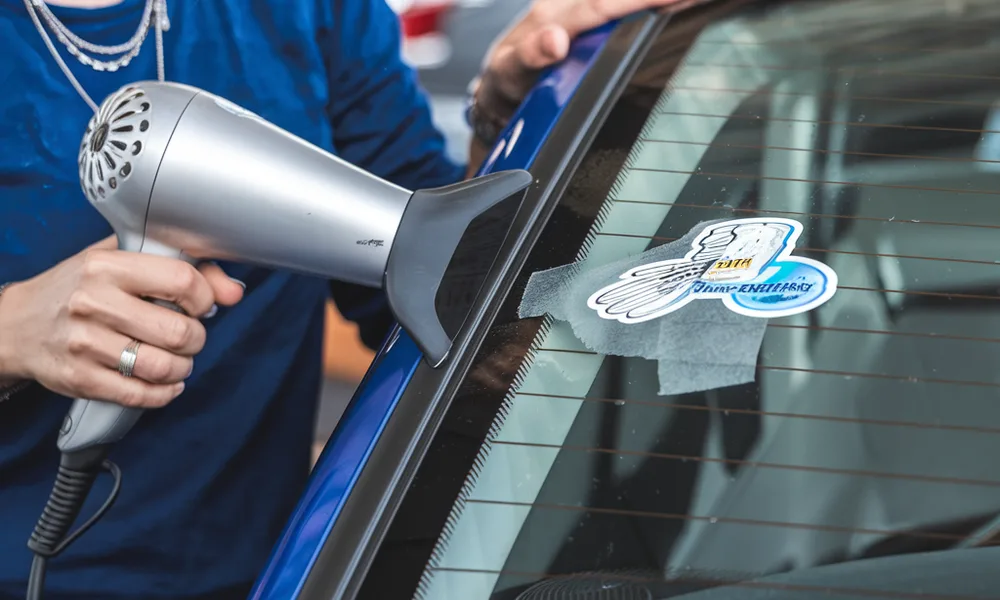
How to remove sticker from car window without causing damage is a common concern for car owners. Stickers are often placed on car windows for various reasons, such as parking permits, decorative decals, or promotional materials. However, over time, these stickers may become outdated, start peeling, or no longer serve a purpose, prompting the need for removal. Whether it’s an expired registration sticker or an old bumper sticker, removing them properly is essential to prevent scratches or residue buildup. Using the right techniques ensures that you can remove a sticker from a car window efficiently without harming the glass or leaving sticky residue behind. 5 Ways of How to Remove Sticker from Car Window Removing stickers from a car window requires the right technique to avoid leaving behind adhesive residue or damaging the glass. Here are five effective methods you can use: Method 1: Using Warm Soapy Water This method works best for paper-based stickers and stickers that haven’t been on the window for too long. Steps: Fill a bucket with warm water and add a few drops of dish soap. Mix until bubbles form. Soak a sponge or cloth in the soapy water and press it against the sticker for 5–10 minutes to soften the adhesive. Once the sticker starts loosening, try peeling it off gently using your fingers or a plastic scraper. If any adhesive remains, rub it with the sponge in circular motions until it dissolves. Wipe the window clean with a dry microfiber cloth to remove excess moisture. This method is safe and easy but may require patience if the sticker is strongly attached. Method 2: Applying Vinegar or Rubbing Alcohol Vinegar and rubbing alcohol work well because they break down the glue without damaging the glass. Steps: Soak a paper towel or clean cloth in white vinegar or rubbing alcohol. Place the damp cloth over the sticker and press it down for 5–10 minutes to allow the liquid to penetrate the adhesive. Start peeling the sticker from one corner. If it resists, apply more vinegar or alcohol and wait a little longer. Use a clean cloth to remove any leftover adhesive. Finish by cleaning the window with a glass cleaner to remove any streaks. This method is great for stubborn stickers, but be sure to avoid spilling alcohol on the car’s paint. Method 3: Using a Hair Dryer or Heat Gun Applying heat helps soften the glue, making it easier to remove the sticker without leaving residue. Steps: Plug in a hair dryer or heat gun and set it to a low or medium heat setting. Hold it about 3–5 inches away from the sticker and move it in circular motions for 30–60 seconds. As the adhesive warms up, use your fingers or a plastic scraper to slowly peel off the sticker. If needed, reheat stubborn areas and continue peeling. Use a cloth dampened with rubbing alcohol or soapy water to clean any leftover residue. Safety Tip: Avoid using high heat for too long to prevent cracking the glass, especially in cold weather. Method 4: Commercial Adhesive Removers If DIY methods don’t work, you can use a commercial adhesive remover like Goo Gone, WD-40, or 3M Adhesive Remover. Steps: Apply a small amount of adhesive remover to a clean cloth or directly onto the sticker. Let it sit for 1–2 minutes to break down the glue. Start peeling the sticker from one corner, using a plastic scraper if needed. Wipe away any remaining adhesive with a fresh cloth. Wash the window with glass cleaner to remove any greasy residue. Note: Always test the product on a small area first to ensure it doesn’t affect your car’s window tint (if applicable). Method 5: Razor Blade Scraper Technique For the toughest stickers, a razor blade can help remove them cleanly, but you must use it carefully to avoid scratches. Steps: Spray soapy water or rubbing alcohol over the sticker to loosen the adhesive. Hold a razor blade or a scraper designed for glass at a 45-degree angle. Gently slide the blade under the sticker and push forward in a smooth motion. Continue scraping until the sticker is completely removed. Clean any remaining residue with rubbing alcohol and a microfiber cloth. Precaution: Only use a razor blade on bare glass, not on tinted windows, as it can scratch or damage the tint film. You can also read about window repair in Austin. How to Remove Sticker Residue from Car Windows Removing stickers from car windows can be frustrating, especially when sticky residue remains after peeling them off. This residue is caused by adhesive that bonds with the glass over time, making it difficult to remove completely. Below, we’ll cover the best methods to remove sticker from car glass using common household items and professional products. Why Residue Remains After Sticker Removal When a sticker is exposed to sunlight and temperature changes, the adhesive melts and hardens repeatedly, making it difficult to peel off cleanly. This process leaves behind a sticky film that is resistant to basic cleaning methods. Using the wrong techniques, like scraping with sharp objects, can even damage the glass. Recommended Products to Remove Sticker from Car Glass To effectively remove sticker residue, you’ll need the right products. Here are some of the best options: Glass cleaner – Loosens the adhesive for easy removal. WD-40 – Works as a degreaser to break down sticky substances. Rubbing alcohol (Isopropyl alcohol) – Dissolves adhesive residue. Baking soda paste – A natural abrasive that lifts off stubborn glue. White vinegar – Softens the adhesive and makes it easier to wipe away. Plastic scraper or old credit card – Helps lift off residue without scratching the glass. Step-by-Step Process to Remove Sticker Residue from Car Glass Step 1: Peel Off as Much as Possible Use your fingers or a plastic scraper to remove as much of the sticker as possible. Be gentle to avoid damaging the glass. Step 2: Apply a Cleaning Solution Choose one of the recommended products

How To Remove Sticker From Car Window Read More »

How Much Does It Cost to Replace a Car Window? Find Out Now

How Much Does It Cost To Replace A Car Window

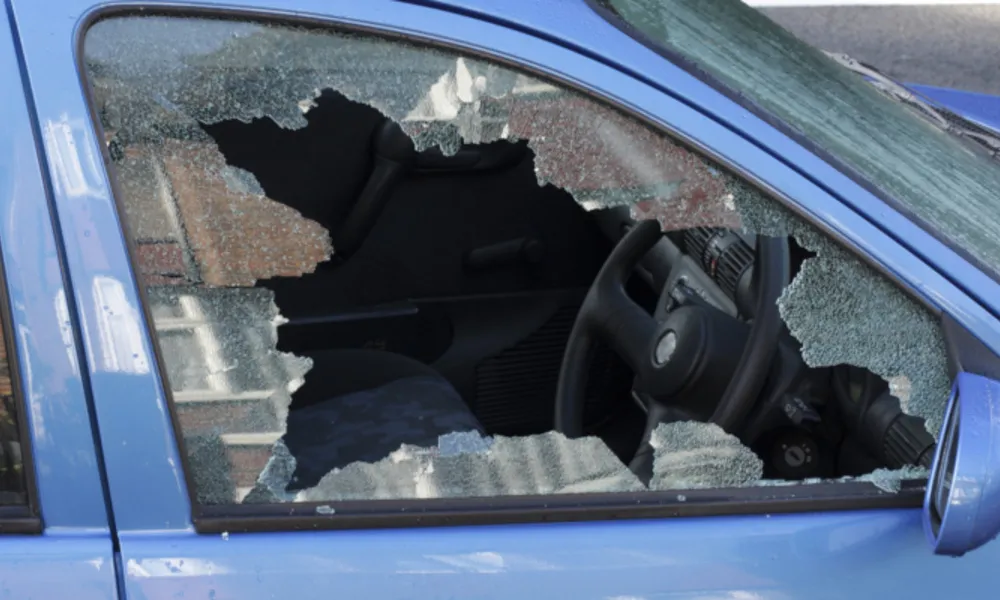
How much does it cost to replace a car window? The price depends on factors like the vehicle type, the specific window, and the quality of the glass. Car window replacement cost varies based on the car’s make and model, as luxury vehicles often require specialized glass. The type of window—side, rear, or quarter—also affects the price. Labor charges, sensor recalibration, and choosing between OEM or aftermarket glass further influence the cost. Location and service provider also impact pricing, with urban areas often having higher rates. To ensure safety and durability, always choose a trusted auto glass professional. Types of Car Windows When it comes to car windows, each type serves a specific function and has different replacement costs. If you’re wondering about the cost to replace a car window, it’s essential to understand the different types and how they affect pricing. 1. Front Windshield The front windshield is the largest glass panel in a vehicle, designed to provide visibility and structural integrity. Since it’s made of laminated glass for safety, the cost to replace a car window like this is higher than others. Factors like ADAS (Advanced Driver Assistance Systems) recalibration and heating elements can further increase the cost. 2. Rear Windshield The rear windshield (back glass) is typically made of tempered glass, which shatters into small, safe pieces upon impact. The cost to replace a car window in the rear is often lower than the front windshield but can rise if defrosting lines or antennas are integrated. 3. Side Windows (Driver & Passenger) These are usually made of tempered glass and include power or manual operation. If broken, they need a full replacement. The cost to replace a car window on the side depends on the make, model, and whether sensors or tinting are included. 4. Quarter Windows Quarter windows are small, fixed side windows located behind the rear doors. While they are smaller, they can still be costly to replace due to availability and design. 5. Vent Windows Vent windows are small, usually triangular, and found in older vehicles. Since they are less common, finding replacements can be tricky, affecting the cost to replace a car window of this type. 6. Sunroof/Moonroof Sunroofs and moonroofs are typically made of reinforced glass and can be fixed or retractable. Replacing them is more expensive due to complex mechanisms and seals. How Window Type Affects Replacement Costs The cost to replace a car window varies based on: Glass Type: Laminated glass (windshields) costs more than tempered glass (side & rear). Technology Integration: Heated glass, rain sensors, or tinting increase the price. Labor & Availability: Rare or custom-shaped windows can cost more due to labor and parts availability. When to Have a Car Window Replaced or Repaired Car windows can get damaged due to accidents, weather, or road debris. Knowing whether to repair or replace the window is important for safety and cost savings. If you need car window repair in Austin then Texas Reliable Auto Glass can get your job done as easy as you like. Signs You Need a Car Window Replacement You should replace your car window if: The glass is shattered. A completely broken window cannot be repaired and must be replaced. There is a large crack or deep chip. If the damage is too big, repairs won’t be effective. The window does not roll up or down properly. This could mean internal damage that requires full replacement. Your visibility is affected. If cracks or chips block your view, it’s safer to replace the glass. When a Repair is a Better Option Sometimes, a repair can fix the issue instead of a full replacement. You can repair the window if: The chip or crack is small. If it’s less than a few inches and not spreading, a repair might work. The damage is not in your line of sight. Small cracks on the edges may not require full replacement. The window is still fully intact. If the glass is holding together without major risk, repair is possible. Safety Concerns with Damaged Windows Driving with a damaged car window is risky because: It weakens your car’s structure. Windows help support the roof in case of a rollover. Cracks can spread over time. A small crack can turn into a big problem if not fixed early. Your security is at risk. A broken window makes it easier for theft or weather damage inside your car. If your car window is damaged, it’s best to act fast. A professional can check if a repair is enough or if a full replacement is needed. Cost Breakdown by Window Type The car window replacement price varies depending on the type of window, glass material, and additional features. Below is a cost breakdown to help you understand what to expect when replacing different car windows. Estimated Costs for Each Type of Car Window Replacement Car Window Type Estimated Replacement Cost Front Windshield $200 – $1,500+ Rear Windshield $150 – $800 Side Windows (Driver/Passenger) $100 – $500 Quarter Windows $100 – $700 Vent Windows $150 – $500 Sunroof/Moonroof $300 – $2,000+ Prices vary based on vehicle make, model, and labor charges. Standard Glass vs. Specialized Glass Costs Standard Glass: This is the most affordable option, usually made of tempered or laminated glass. Tinted Glass: Costs more due to extra materials and processing. Laminated Glass: Used in windshields for better durability and safety, making it more expensive. Heated Glass: Found in rear windshields; adds to the car window replacement price due to built-in defrosting lines. Rain-Sensing or UV-Protective Glass: Higher cost due to advanced technology. Additional Costs to Consider Besides the glass itself, other factors affect the car window replacement price: Labor Charges: Typically $50 – $150 per hour. ADAS Recalibration: If your car has driver-assistance features (lane departure, automatic braking), recalibration can add $100 – $600. Molding & Seals: Some cars need new seals or trims, which can increase costs. Mobile Service Fee: Some auto glass companies charge extra for on-site replacements. If

How Much Does It Cost To Replace A Car Window Read More »

How to Remove Tint from Car Windows – Best Methods

How to Remove Tint from Car Windows

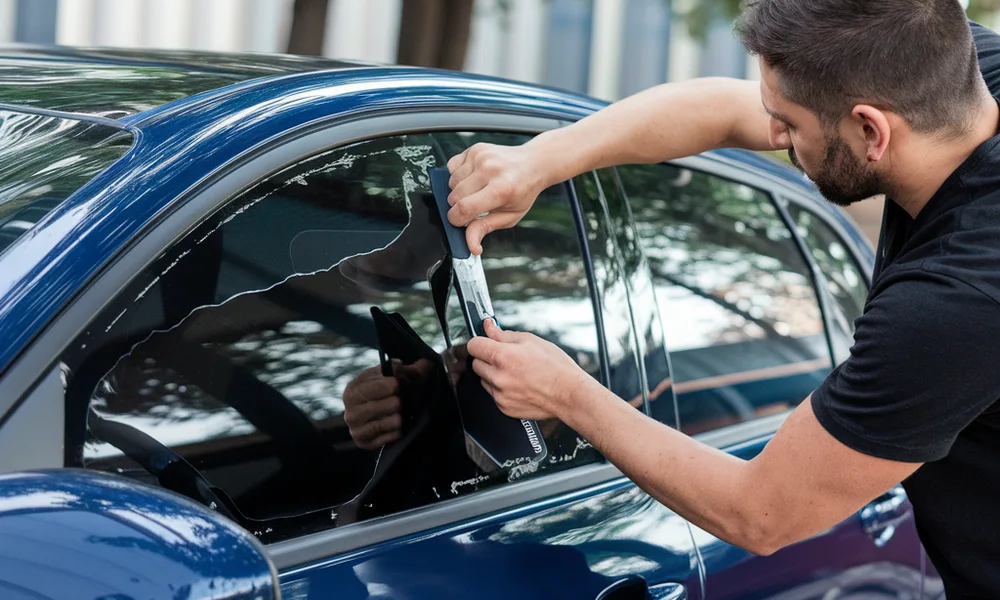
How to remove tint from car windows properly is essential to avoid damage and ensure a clean finish. Many car owners consider removing tint from car windows due to issues like bubbling, discoloration, or fading, which can obstruct visibility and make the vehicle look worn out. In some cases, local laws require compliance with specific tinting regulations, prompting drivers to strip off illegal or overly dark tints. Using the right techniques, such as steam, ammonia, or soapy water, helps prevent scratches or damage to the glass. Proper removal also ensures no sticky residue is left behind, making it easier to reinstall new tint if desired. DIY Techniques for Removing Car Window Tint If your car’s window tint is peeling, bubbling, or fading, you can remove it yourself using simple methods. Below is a step-by-step guide on removing auto window tint using common tools. Tools Needed: Razor blade or utility knife Hairdryer or steamer Spray bottle Dish soap Ammonia (for the soapy ammonia method) Plastic wrap Microfiber cloth Method 1: Heat-Based Removal (Using a Hairdryer or Steamer) Step 1: Apply Heat Turn on the hairdryer or steamer and hold it a few inches away from the window tint. Start at one corner and heat the tint for about 30 seconds until the adhesive softens. Step 2: Peel Off Window Tint Use a razor blade or fingernail to lift a corner of the tint. Slowly pull it off in one piece while applying more heat as needed. Step 3: Clean Off Adhesive Residue Spray soapy water on the remaining adhesive. Use a razor blade or microfiber cloth to wipe it off. Method 2: Soapy Ammonia Method Step 1: Prepare the Surface Park the car in direct sunlight for better results. Spray ammonia on the tinted window and cover it with plastic wrap. Step 2: Let It Soak Leave it for at least 30 minutes to loosen the glue. Carefully remove the plastic wrap. Step 3: Peel Off Window Tint Use a razor blade to lift a corner and slowly remove the tint. Spray more ammonia if the tint sticks. Step 4: Remove Adhesive Residue Spray soapy water and wipe away any remaining glue with a microfiber cloth. Final Cleanup After removing auto window tint, clean the glass with a glass cleaner for a streak-free finish. These DIY methods make it easy to peel off window tint without damaging the glass. If the tint is difficult to remove, a professional auto glass service can help. You should read about Mobile Window Repair. Precautions and Best Practices When you remove car window tint, it’s important to follow safety measures to avoid damaging the glass or harming yourself. Below are key precautions and best practices to ensure a smooth and safe tint removal process. 1. Prevent Scratching or Damaging the Glass Use a plastic razor blade instead of a metal one to avoid scratching the window. Apply heat carefully—excessive heat from a steamer or hairdryer can weaken the glass. Avoid using sharp tools on defroster lines or embedded antennas, as they can be damaged easily. 2. Ensure Proper Ventilation When Using Chemicals When using ammonia or any strong cleaner, work in an open area or keep car doors open for airflow. Wear gloves and a mask to avoid inhaling fumes. Never mix ammonia with other household cleaners, as it can create toxic fumes. 3. Remove Residual Adhesive Without Leaving Streaks Spray a mixture of soapy water or rubbing alcohol onto the remaining adhesive. Use a microfiber cloth to wipe away residue without leaving streaks. If stubborn glue remains, a non-abrasive sponge or fine steel wool (0000-grade) can help remove it without scratching. Finish by cleaning the glass with auto glass cleaner to restore clarity. Alternate Window Tint Removal Methods If traditional methods don’t work or you want to try different techniques, here are some alternative ways to remove car window tint effectively. 1. Using Commercial Tint Removal Products Many auto parts stores sell window tint removal sprays that dissolve adhesive. Spray the product on the tint and let it sit for a few minutes. Use a razor blade or plastic scraper to peel off the tint carefully. Wipe away any remaining glue with a microfiber cloth and glass cleaner. 2. Vinegar and Baking Soda Technique Mix equal parts white vinegar and warm water in a spray bottle. Spray generously on the window tint and let it soak for at least 30 minutes. Sprinkle baking soda onto a damp cloth and gently scrub the tint to loosen it. Peel off the tint and clean the glass with soapy water to remove any residue. 3. Black Plastic Bag and Sunlight Method Cut a black plastic trash bag to fit the window and spray soapy water on the tint. Place the plastic bag over the wet window and press it down to remove air bubbles. Park the car in direct sunlight and let it sit for 30–60 minutes. The trapped heat softens the adhesive, making it easier to peel off the window tint in large sections. These alternative methods offer simple and effective ways to remove car window tint without using harsh chemicals. If the tint is still difficult to remove, professional auto glass services can help. Professional vs DIY Tint Removal If you need to remove car window tint, you can either do it yourself or hire a professional. Each option has its pros and cons, depending on your skill level, available tools, and the condition of the tint. 1. DIY Tint Removal: Pros and Cons Pros: Cost-Effective: Only requires basic tools like a razor blade, soap, and a hairdryer. Convenience: You can do it at home without scheduling an appointment. Good for Light Damage: If the tint is already peeling, DIY methods work well. Cons: Time-Consuming: Can take 1 to 3 hours depending on the method used. Risk of Damage: Using sharp tools or excessive heat may scratch or weaken the glass. Adhesive Residue: Removing glue completely without streaks can be challenging. 2. Professional Tint

How to Remove Tint from Car Windows Read More »

How to Clean Car Windows Without Streaks | Best Guide

How To Clean Car Windows Without Streaks

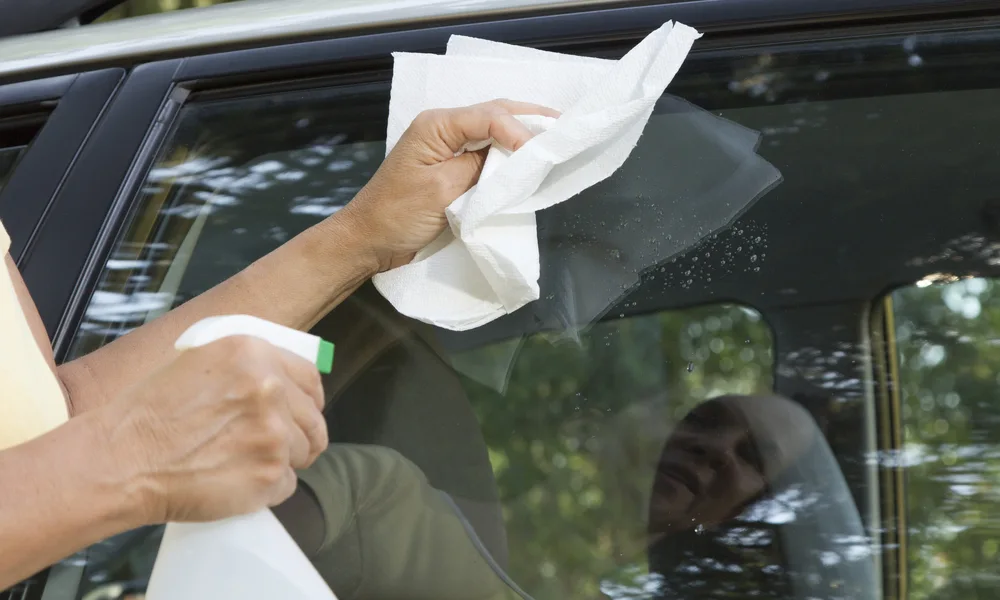
How to clean car windows without streaks starts with using the right cleaning method, tools, and products. Streak-free windows enhance visibility while driving and improve the overall appearance of your vehicle. Many car owners struggle with streaks because of improper techniques, using the wrong cleaners, or leaving behind residue. To achieve crystal-clear windows, it’s essential to use a high-quality glass cleaner, a microfiber cloth, and a proper wiping technique. Understanding why streaks appear—often due to residue from household cleaners, dirty towels, or hard water—can help you avoid them. With the right approach, you can keep your car windows spotless and free of streaks. Why Do Streaks on Car Windows Won’t Come Off? Streaks on car windows can be frustrating, especially when they don’t come off despite multiple cleaning attempts. The main reasons for stubborn streaks include poor-quality cleaning products, improper cleaning techniques, and environmental factors. To achieve cleaning car windows streak free, it’s important to understand and avoid these common mistakes: 1. Poor-Quality Cleaning Products Some glass cleaners contain harsh chemicals, ammonia, or wax-based formulas that leave behind a residue. This residue can cause streaking, making your windows appear dirty even after cleaning. Always use a high-quality, ammonia-free glass cleaner designed for automotive use. Homemade solutions like a mix of distilled water, vinegar, and a small amount of dish soap can also be effective in cutting through grime without leaving streaks. 2. Using the Wrong Type of Cloth or Paper Towels Regular paper towels or low-quality microfiber cloths can leave lint and fibers on the glass, contributing to streaks. Instead, use a clean, high-quality microfiber cloth that absorbs moisture efficiently and doesn’t shed particles. For best results, keep one cloth for wiping and another dry one for buffing the glass to a streak-free shine. 3. Cleaning Windows in Direct Sunlight Cleaning your car windows under direct sunlight causes the cleaning solution to evaporate too quickly, leaving behind streaks and water spots. Always clean your windows in a shaded area or during cooler parts of the day for better results. Cloudy days or early morning and evening hours are the best times to clean car windows. 4. Not Drying the Windows Properly Leaving excess cleaning solution on the glass without thoroughly drying it can result in streaks. After applying the cleaner, wipe the window in a circular motion first to break down grime and then finish with horizontal or vertical strokes to ensure complete coverage. Using a second dry microfiber cloth for a final wipe will remove any remaining moisture, preventing streaks. 5. Skipping Interior Window Cleaning Many drivers focus only on the exterior windows, forgetting that interior glass can also develop streaks due to dust, fingerprints, and off-gassing from car upholstery. Use a separate microfiber cloth and glass cleaner for the inside to avoid transferring dirt from the exterior. How to Ensure Cleaning Car Windows Streak Free Use an ammonia-free automotive glass cleaner. Choose a clean, high-quality microfiber cloth for both wiping and drying. Avoid cleaning in direct sunlight to prevent rapid evaporation. Wipe in one direction for the final pass (horizontal for side windows, vertical for the windshield). Don’t forget to clean the inside windows for a completely clear view. By following these tips, you can prevent streaks and keep your car windows crystal clear, ensuring a safer and more enjoyable driving experience. You can read about mobile window repair in Austin. 5 Steps of How to Clean Car Windows Without Streaks Having streak free car windows enhances visibility and improves your car’s overall appearance. However, many people struggle with streaks even after cleaning their windows. By following these five simple steps, you can achieve clean car windows without streaks every time. Step 1: Gather the Right Cleaning Supplies Using the right products is crucial for streak-free results. Choose an ammonia-free glass cleaner, as ammonia-based products can leave residue and damage window tint. If you prefer a DIY option, a mixture of distilled water, vinegar, and a small drop of dish soap works well. Recommended Cleaning Tools: High-quality microfiber cloths (avoid paper towels as they leave lint). A separate cloth for buffing to remove excess moisture. Alternatively, crumpled newspaper can provide a streak-free shine. Step 2: Choose the Right Time & Location Cleaning your car windows in direct sunlight or on a hot day can cause the cleaning solution to evaporate too quickly, leading to streaks. To achieve streak free car windows, always clean in a shaded area, preferably during the early morning or evening when temperatures are lower. Step 3: Wipe in a Specific Motion The way you wipe the glass plays a significant role in preventing streaks. For side windows, use an up-and-down motion to cover the surface evenly. For windshields and rear windows, use a circular motion to break down dirt, then finish with horizontal or vertical strokes for a clear finish. Work in sections to ensure thorough cleaning without missing spots. Step 4: Use a Two-Towel Method One of the best ways to clean car windows without streaks is by using a two-towel method: Towel 1: Apply the glass cleaner and wipe away dirt. Towel 2: Use a dry microfiber cloth to buff the glass and remove any leftover moisture or residue. This technique prevents streaking by ensuring no excess cleaner remains on the surface. Step 5: Check for Streaks and Buff If Necessary After cleaning, inspect your windows from different angles and lighting conditions. If you notice any streaks, use a dry microfiber cloth to buff the area gently. This final step guarantees streak free car windows, leaving them crystal clear. By following these five steps and using the right cleaning methods, you can clean car windows without streaks and enjoy a spotless, glare-free view every time you drive. You should read about How To Repair Window Tint Bubbles. Common Mistakes While Cleaning Car Windows Keeping your car windows clean enhances visibility and improves your vehicle’s overall appearance. However, many people unknowingly make mistakes that lead to streaks, haze, or even damage. Avoid

How To Clean Car Windows Without Streaks Read More »

How to Remove Water Spots from Car Windows | Easy Guide

How To Remove Water Spots From Car Windows

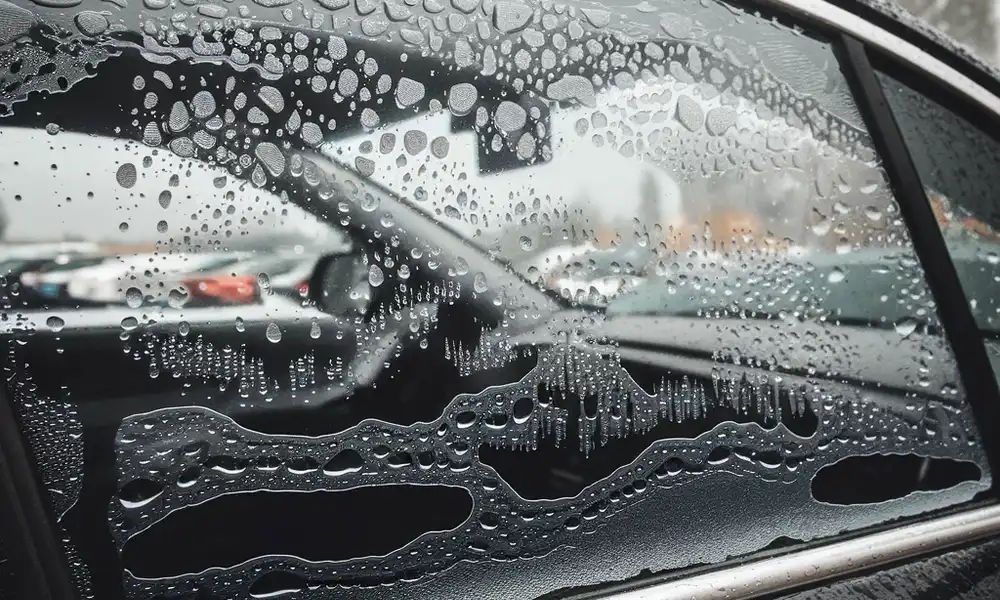
How to remove water spots from car windows is a common concern for car owners who want to maintain clear visibility and a spotless appearance. Water spots form when mineral-rich water dries on the glass, leaving behind stubborn deposits. If left untreated, these spots can become more difficult to remove and may even cause etching over time. Removing water spots is essential not only for maintaining a clean and polished look but also for ensuring safe driving by keeping the windshield and windows free from obstructions. These spots are often caused by hard water, acid rain, or sprinkler systems, and they require specific cleaning methods to be fully eliminated. In this guide, we’ll explore effective ways to remove water spots from car windows using both household and professional solutions. What Causes Water Spots on Car Windows? Water spots on car windows happen when water dries and leaves behind minerals or contaminants. These spots can make your windows look dirty and reduce visibility while driving. Here are the main causes of water spots and how to prevent them: 1. Hard Water Deposits High concentrations of minerals like calcium and magnesium are seen in hard water. When water from a hose, car wash, or even rain evaporates, these minerals stay behind, creating stubborn white or chalky spots on the glass. 2. Acid Rain Acid rain is rainwater mixed with pollutants from the air. When this water dries on your car windows, it leaves behind mineral deposits and acidic residue that can cause etching over time, making the glass look dull. 3. Sprinkler System Overspray If your car is parked near a sprinkler system, water droplets may land on the windows. Since sprinkler water often comes from underground sources, it contains minerals that dry into visible spots on the glass. 4. Contaminants in Rainwater Rainwater isn’t always clean—it can carry dust, dirt, pollen, and pollution from the air. When the water dries, these contaminants settle on the glass, leaving behind cloudy or spotted marks. 5. Improper Drying After Car Washes Washing your car is important, but if you let it air dry instead of wiping it down, water droplets will evaporate and leave behind mineral residue. Using a dirty or rough towel can also spread dirt, creating streaks and water spots. You can also read about Broken Car Glass Window Repair. How to Remove Water Spots from Car Windows by Yourself Water spots can make your car windows look dirty and reduce visibility. These spots form when minerals and dirt in water dry on the glass. Luckily, you can easily remove water spots from car windows using simple DIY methods or professional cleaners. Here’s how: 1. DIY Cleaning Solutions You can use household items to remove window water spots effectively. Vinegar and Water Solution: In a spray bottle, combine equal parts white vinegar and water. Spray it on the glass, let it sit for a few minutes, then wipe with a microfiber cloth. The vinegar breaks down the minerals, making it easy to remove water spots from car windows. Baking Soda Paste: After a few minutes of sitting, use a moist cloth to wipe it clean. Apply it to the spots and gently scrub with a soft cloth. Rinse with clean water and dry the window properly. Lemon Juice – The natural acidity of lemon juice helps dissolve mineral deposits. Squeeze fresh lemon juice onto a cloth and rub it over the water spots. Let it sit for a few minutes before wiping clean with a damp cloth. 2. Using Commercial Water Spot Removers If DIY methods don’t fully remove window water spots, you can try store-bought glass cleaners made for hard water stains. Choose the right cleaner – Look for a glass cleaner designed to remove water spots from car windows. Products with mild abrasives or acidic formulas work best. Apply safely – Spray the cleaner on the window and let it sit for a few seconds. Use a microfiber cloth to wipe it off in circular motions. Avoid using rough materials that could scratch the glass. 3. Clay Bar Treatment A clay bar is a great tool for removing stubborn water spots. It lifts mineral deposits and other contaminants from the glass surface. How to use a clay bar: Wash and dry your car windows first. Spray a clay bar lubricant or soapy water on the window. Gently rub the clay bar over the glass in circular motions. Wipe the surface with a clean microfiber cloth. Clay bars are also useful for removing other tough stains like tree sap and road grime. 4. Polishing and Buffing If water spots have been on your car windows for a long time, they may need a deeper cleaning with a polishing compound. When to use polish – If the spots don’t come off with regular cleaning, a mild polishing compound can help remove window water spots. Proper technique – Apply a small amount of polish to the window and use a clean cloth or a buffer pad to rub it in. To prevent scratches or streaks, move in circular motions. Final Tips to Keep Windows Spot-Free Dry your car windows after washing to prevent new spots. Use a glass sealant or water repellent to stop water from sticking. Clean your windows regularly to avoid mineral buildup. By following these steps, you can easily remove water spots from car windows and keep your glass clear for a better driving experience. Remove Hard Water Stains from Glass Windows (Alternative Methods) Hard water stains on glass windows can be tough to remove. These stains form when mineral-rich water dries and leaves behind deposits. If regular cleaning methods don’t work, try these alternative solutions to remove water spots on glass effectively. 1. Using Ammonia-Based Cleaners for Tough Stains For stubborn hard water stains, ammonia-based glass cleaners can help break down mineral buildup. How to Use: Mix one part ammonia with three parts water in a spray bottle. Spray the solution on the glass and let it sit

How To Remove Water Spots From Car Windows Read More »

Scroll to Top