
Reliable Auto Glass

Texas Blog

What Is Panoramic Moonroof? Everything You Need to Know

What Is Panoramic Moonroof

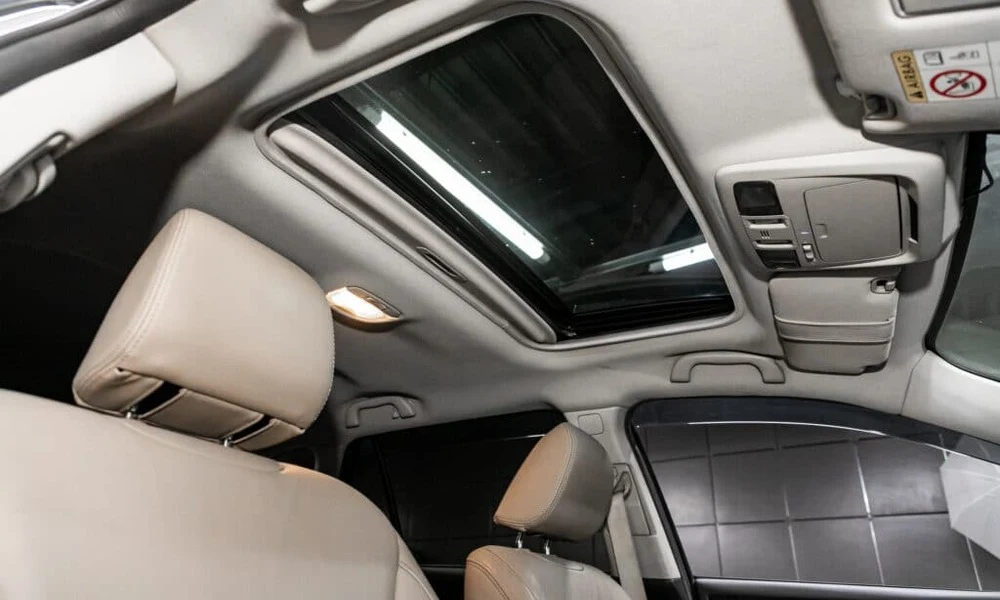
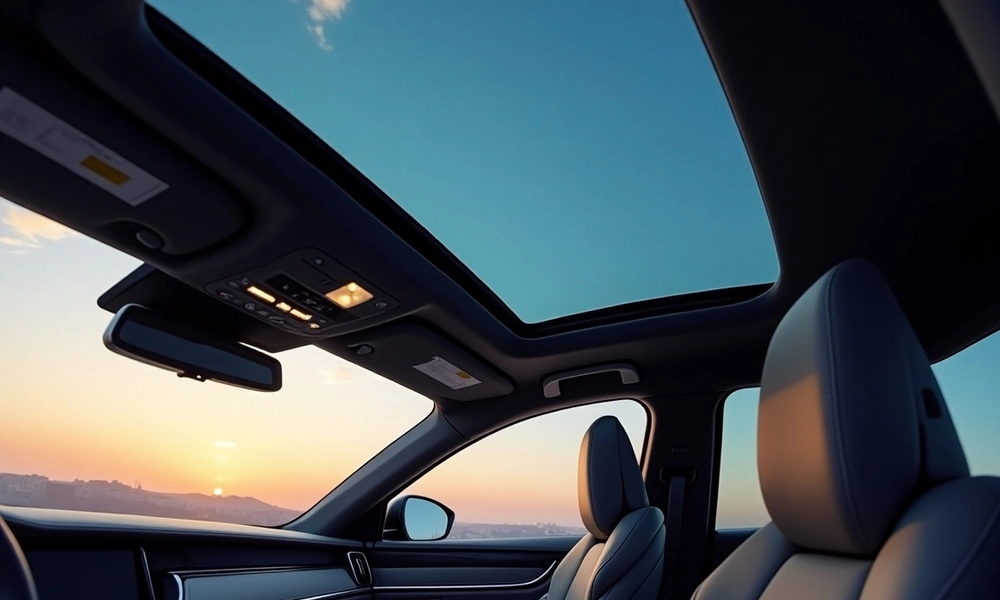
What is panoramic moonroof and how does it differ from a standard moonroof or sunroof? A panoramic moonroof is a large glass panel or a set of panels that spans a significant portion of a car’s roof—often stretching from the front to the back seats. Unlike traditional moonroofs, which are usually smaller and only open above the front seats, a cars panoramic moonroof offers a more expansive, airy feel for all passengers. The panoramic roof in cars has become increasingly popular in modern vehicles, especially in SUVs and luxury models, because it enhances natural light, improves cabin aesthetics, and creates a premium driving experience What is Panoramic Moonroof? A panoramic moonroof is a large, multi-panel glass roof that covers most or all of a car’s roof, offering an extended view of the sky for both front and rear passengers. It is typically found in cars with panoramic sunroof options, especially SUVs and luxury vehicles. Design and Functionality A panoramic moonroof usually consists of two or more glass panels: Front panel: Often movable, it can tilt or slide open. Rear panel(s): Usually fixed in place, allowing light in but not opening. This setup creates a spacious and airy cabin feel, letting in natural light and giving passengers a better outside view, even when the roof is closed. Where You’ll Find It You’ll commonly see cars panoramic moonroof features in: SUVs like the Hyundai Tucson, Ford Edge, or Toyota RAV4 Luxury sedans like Mercedes-Benz E-Class or BMW 5 Series Electric vehicles such as the Tesla Model Y and Ford Mustang Mach-E Visual Description Imagine a car with a panoramic sunroof parked on a sunny day — you look up and instead of a solid roof, you see glass stretching from above the dashboard to the rear seats. When the front panel opens, it feels like the outdoors is part of the ride. Moonroof vs Sunroof vs Panoramic Sunroof When shopping for a new vehicle, terms like moonroof, sunroof, and panoramic sunroof often come up. Though they may sound similar, they have distinct features. Below is a clear breakdown using simple terms and real-world examples to help you understand which roof type suits your needs best. Definitions Sunroof Material: Solid metal or opaque panel Function: Manually or electronically tiltable, sometimes removable Visibility: Closed when not in use — blocks all light Example: Found in older sedans like Honda Accord (pre-2000s) Moonroof Material: Tinted glass panel Function: Tilts or slides open Visibility: Allows light in even when closed Example: Common in modern cars like Toyota Camry or Honda Civic Panoramic Sunroof Material: Multiple large glass panels Function: Covers both front and rear seats; front glass often opens, rear stays fixed Visibility: Expansive view of the sky, open or closed Example: Seen in many SUVs and premium vehicles like the Hyundai Palisade, Tesla Model Y, and BMW X5 Comparison Chart Feature Sunroof Moonroof Panoramic Sunroof Material Metal or opaque panel Glass panel Multiple glass panels Opens Tilts or removes Tilts or slides Front slides; rear fixed Light when closed No Yes Yes View coverage Front seat only Front seat only Front and rear seats Common in Older cars Most modern sedans SUVs, luxury cars Example Vehicle 2001 Toyota Corolla 2023 Honda Accord Any car with panoramic sunroof Practical Examples If you’re looking for a basic feature to let in some fresh air occasionally, a sunroof works well. Want a touch of luxury without the full glass roof? A moonroof is more common and lets in natural light. For a spacious, open-sky feeling ideal for passengers in both rows, choose a panoramic sunroof – especially popular with families and road-trippers. You’ll notice many cars with a panoramic sunroof now come with retractable shades to manage sunlight and heat. The panoramic roof in cars is not just about looks — it enhances the driving experience by making the cabin feel bigger and brighter. You can also read about What Is The Difference Between A Sunroof And A Moonroof. Advantages and Disadvantages Of Panoramic Sunroof Advantages of a Panoramic Moonroof A panoramic moonroof brings several advantages that elevate the overall driving experience. Here are the key benefits: 1. Enhanced Natural Lighting A panoramic moonroof brings an abundance of natural light into the vehicle, making the cabin feel brighter and more welcoming. The expansive glass panels provide a clear view of the sky, reducing the feeling of being in a dark, enclosed space. 2. Airflow and Ventilation One of the practical advantages of a panoramic moonroof is the ability to open the front panel for fresh air. This allows natural ventilation, which can be particularly refreshing on a nice day, offering better airflow compared to traditional windows. 3. Open, Spacious Cabin Feel The large glass panels of a panoramic moonroof create an illusion of a more spacious cabin. Even with the roof closed, the expansive view above makes the interior feel more open and airy, contributing to a pleasant and less claustrophobic environment. 4. Premium Look and Appeal A panoramic moonroof adds a sleek, modern look to your car, giving it a luxurious and high-end appearance. It enhances the vehicle’s design, making it stand out from the crowd, and is often a desirable feature in many SUVs and luxury cars. 5. Better Passenger Experience Passengers, especially those in the back seat, benefit from the expansive views provided by the panoramic moonroof. It enhances their experience, making long drives or road trips more enjoyable by offering a scenic, open-sky feel. Disadvantages of a Panoramic Moonroof While a panoramic moonroof offers plenty of benefits, there are some disadvantages to consider. Here’s a look at the potential drawbacks: 1. Higher Vehicle Cost One significant disadvantage of a panoramic moonroof is the higher upfront cost. Cars equipped with this feature tend to be more expensive due to the added design and technology, making them less budget-friendly than models without this feature. 2. Potential for Leaks or Wind Noise If not properly maintained, panoramic moonroofs can develop leaks, allowing water to seep into

What Is Panoramic Moonroof Read More »
What Is the Windshield Trim Called? Understanding Its Role

What Is The Windshield Trim Called? (Full Guide 2026)

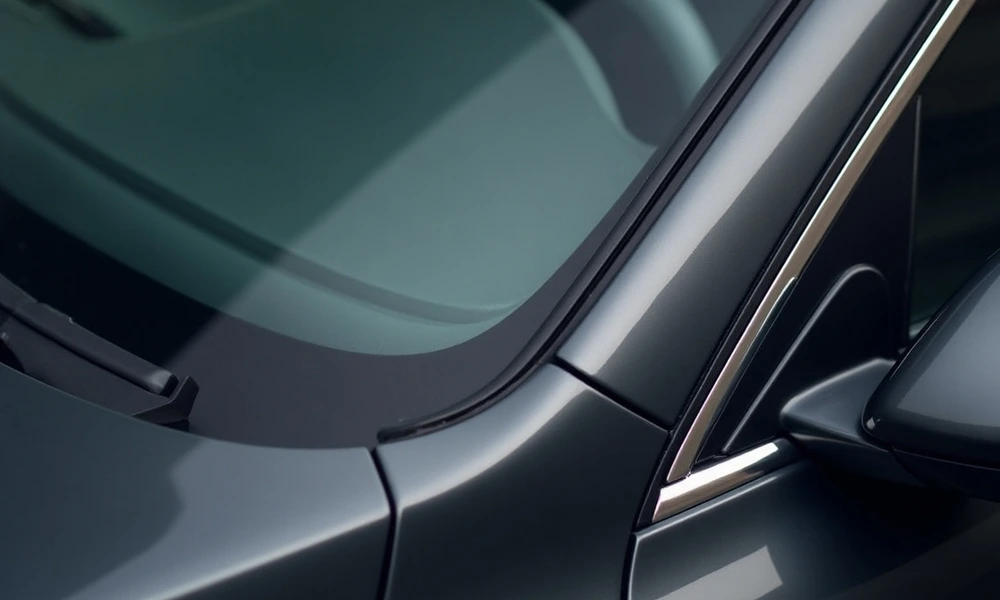
If you have ever seen a rubber or plastic strip that seems to go around the perimeter of your cars front glass, you might ask yourself, what is windshield trim? This part is small but essential. What is it? What? Often it’s referred to as windshield molding. Others also call it windshield trim, reveal molding or window seal. The purpose of this strip is to close the space between the body of the car and the windshield. It keeps water, dirt and wind out and at the same time gives your vehicle a clean, finished appearance. While this might appear insignificant, the trim around your windshield plays a major role in protecting your vehicle and enhancing its looks. What Is Windshield Molding and What Does It Do? So what is been windshield molding? Windshield molding is a kind of trim made of rubber or plastic that extends around the edges of a vehicle’s windshield. Modern automotive windshields are held in place by a strong adhesive (urethane) which bonds the windshield to the frame. The trim doesn’t hold the glass in place it rests on the adhesive to protect it and seal the edges. This trim helps; Prevent water leaks Reduce wind noise Protect the adhesive from sun damage Enhance the overall look of the vehicle Chronic water infiltration results in frame rust and interior damage and windshield molding is an integral part in preventing that from occurring. You can also read about:  What Is Windshield Calibration. What Is the Trim Around a Car Window Called? Many drivers ask, too, what is the trim on a car window along the door called? It just depends on the Window!‘Which window are you talking about?’ Windshield:  Windshield molding, windshield trim Side windows: Window Sweeps or Belt Moldings Rear window: Rear window molding Side window trims usually have felt or rubber to clean the side when the window is opened or closed. The windshield trim is unlike any other trim because the windshield doesnt move. Common Types of Windshield Trim Comparison of types of vehicle window trims To give you an idea of the difference between the types of trim, here’s what each one looks like and means. As you become more familiar with various strips styles, kinds and applications, it’ll be easier to tell and select the right strip for your car. Reveal Molding Reveal moulding is the most popular type of windshield moulding. Its the width between the windshield and the side of the vehicle body that underlain energetic windshield with a finished look. Pretty normal to most cars made today are revealing molding all around the windshield. Cowl Molding The cowl is where the molding rests at the bottom of the windshield and also touches the hood. Its purpose is to divert rainwater away from the windshield foundation and prevent water from infiltrating into the air intake of the vehicle. Wet or plugged cowl moulding may cause your interior to leak. Windshield Side Molding The windshield side molding runs vertically on the left and right sides of the windshield adjacent to the A-pillar. It covers the edges of the glass and can play a part in minimizing wind noise at speed. When this weatherstrip becomes loose and billows in the wind, drivers often hear whistling. Clip-In vs. Adhesive Molding Snap-in molding can be removed by hand or using a pry tool and replacing it is much simpler than with adhesive molding. Adhesive molding is bonded to the surface of the glass or body, offering a more seamless look but making it more difficult to remove. Locking Strip Molding (Older Vehicles) Some older models may have a windshield lock strip molding, with a metal strip that ensures the windshield stays in place. Most of this type must be cut out all at once. Why Windshield Trim Is So Important Windshield trim is way more than just a cosmetic enhancement. Prevents Water Damage Rainwater can penetrate tiny holes. In the absence of proper weatherstripping, water could get in the frame, which causes rust and can eventually lead to structural failure. Reduces Wind Noise Some homes benefit from missing or loose weatherstripping catching air under panes of glass, resulting in annoying whistles  particularly at the highway speeds. Protects the Adhesive Sunlight, dirt and water can slowly break down the waterproof adhesive that holds your windshield to your car. The windshield molding shields the adhesive so the windshield will remain bonded tightly. You should read about:  What If It Rains After Windshield Replacement. Signs Your Windshield Trim Needs Replacement Windshield trim constantly exposed to the elements deteriorates. Look Out for These Signs: Cracks or Dry Rot If the rubber has become discolored, brittle, or is showing signs of cracking, it is probably dry rotted and not sealing the way it should. Whistling While Driving A loose piece of windshield side molding can make loud wind noise when driving at high speeds. Water Leaks Inside the Car Wet floor mats, ceilings, or drizzles on the windshield are symptoms of seal failure. If you catch these issues early, you’ll save yourself from having to do those repairs. Can You Replace Windshield Trim Yourself? That depends on your car. Press-in or clip-in molding: Usually they can be installed by the do it yourselfer with a few basic tools Adhesive or integrated molding:Windshield removal and other specialized tools may be needed It may cause glass to crack or paint damage if you’re prying incorrectly. If the trim is adhered to the windshield, replacement by a professional is often the best choice. Professional Replacement of Windshield Side Trim For most drivers, a pro shop is the safest bet. Experts have the right tools to remove old glue and trim. They also know which materials will last the longest in your local weather. If you notice your trim is loose, do not wait. Small leaks can turn into big rust problems fast. If you are looking for a Windshield Replacement Austin in TX, our team at Texas Reliable Auto Glass is here to help. We check every seal to make sure it is airtight and safe. A pro will also check the “curing time” of the glue. This is the time the glue needs to get hard.

What Is The Windshield Trim Called? (Full Guide 2026) Read More »

How Do You Stop Car Windows from Fogging Up in Easy Steps?

How Do You Stop Car Windows From Fogging Up

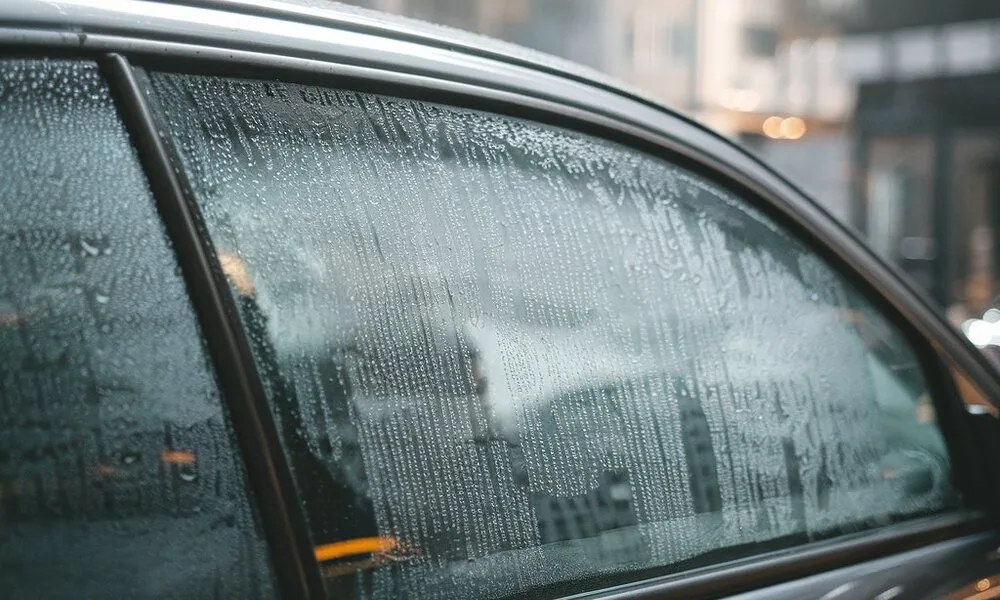
How do you stop car windows from fogging up? The secret is to regulate the temperature and moisture in your car. To equalise the air and eliminate humidity, use the air conditioner and defroster in your automobile. Opening the windows slightly also helps improve airflow. If your windshield is foggy during rain or cold mornings, it can seriously reduce visibility and become a driving hazard. Applying an anti fog windshield spray is another simple solution that prevents condensation buildup. When warm air from the automobile contacts cold glass, fogging frequently occurs. Regular cleaning and moisture control inside your vehicle can go a long way in preventing foggy windows. Keeping your view clear ensures safer and more comfortable driving. How Do You Stop Car Windows from Fogging Up Foggy car windows can be frustrating and dangerous, especially when you’re driving in cold or humid weather. Here’s how to stop your car windows from fogging up quickly and effectively—whether it’s your inside windshield foggy or you’re dealing with condensation windshield inside your car. Why Do Car Windows Fog Up in the First Place? Car windows fog up due to condensation. When your car’s interior air is warmer and more humid than the outside air, this occurs. The warm, humid air condenses and creates a film of fog on the interior of the windscreen and windows as it strikes the cold glass surface. Common Causes of Window Fogging: Body heat from passengers increases the humidity level inside the cabin. Wet clothes or umbrellas bring in moisture that turns into fog on the cold glass. Cold weather causes glass to cool down, speeding up condensation. Lack of airflow prevents moisture from being vented out properly. This is why many people ask, why do windows fog up even when they’ve just started the car? It’s all about temperature and humidity imbalance. You can also read about car window repair in Austin. 6 Easy Steps for Defogging Car Windows Dealing with an inside windshield foggy issue while driving can be annoying and even dangerous. Luckily, clearing it up doesn’t take long if you follow the right steps. Here’s a quick, effective guide to help you handle windshield fog like a pro. Step 1: Turn On the Defroster and A/C Together Start by turning on your defroster at full blast. Pair it with your air conditioner—even in winter. Why? The A/C helps pull moisture out of the air, which is the real culprit behind a foggy windshield. This combo works best to eliminate moisture buildup on the glass surface. Step 2: Increase Air Circulation Inside the Vehicle Switch your climate control from “recirculate” mode to “fresh air” mode.The car’s interior humidity can be decreased by letting in dry outside air. Better airflow = less condensation = no more inside windshield foggy problems. Step 3: Open Windows Slightly (If Weather Allows) Cracking your windows—even a small amount—allows excess moisture to escape and fresh, dry air to come in. This quick temperature and humidity balance helps clear fog faster. Step 4: Use Anti-Fog Sprays or Wipes Use a windscreen wiper or anti-fog spray directly on the inside of the glass. These products leave a clear layer that resists condensation, helping prevent fog before it starts. Great to keep in your glove box during colder months. Step 5: Keep the Windows Clean Dirt and grime on your glass can attract and hold moisture, worsening the fog. Regularly clean the inside of your windows with an automotive glass cleaner to reduce fog buildup and improve visibility. Step 6: Use Silica Gel or Moisture-Absorbing Products Place moisture absorbers like silica gel packs or a sock filled with kitty litter under the seats. These absorb excess humidity in the cabin and reduce the chance of your inside windshield foggy each morning or after rain. Final Tip: Prevention is easier than reaction. Keep your windows treated, your cabin dry, and your glass clean—and you’ll rarely face fog issues again. How to Stop Car Windows from Fogging Up in Rain Driving in rainy conditions often results in a foggy windscreen, particularly on the inside. This happens because the warm, humid air inside your car meets the cold glass, leading to condensation windshield inside. Here’s how to prevent and fix that fog quickly and safely during rainy conditions. 1. Adjust Your Climate Control Settings Properly The first step is to use your defroster and air conditioner together. Set the temperature to warm, then turn on the A/C. This might sound odd in cold rain, but the A/C pulls moisture out of the air—exactly what you need to stop fog from forming on the glass. Make sure to aim the airflow directly at the windshield and front windows. 2. Turn Off Recirculation Mode Avoid using recirculation mode. It worsens the condensation on the windscreen by trapping humid air inside the vehicle. Change to “fresh air” mode instead, which will replace the cabin’s humid air with drier outside air. This rapidly balances the temperature and humidity. 3. Keep the Cabin Dry Wet shoes, jackets, or umbrellas bring extra moisture into the vehicle. That’s a main reason your windshield is foggy during or after rainfall. Tips to manage interior moisture:   Shake off rain gear before getting in. Use rubber mats instead of fabric ones to prevent water buildup. Consider placing a small towel or microfiber cloth on the dashboard to catch extra humidity. 4. Use Proper Ventilation Techniques Even when it’s raining, crack a window slightly (if safe) to let out moisture. Combine this with the defroster and A/C to keep the air flowing properly. Don’t block any air vents—open them all for better circulation. 5. Apply an Anti-Fog Product (Optional but Effective) If your windscreen frequently becomes foggy after rain, applying an anti-fog coating can be beneficial. To lessen future condensation accumulation, apply it to the inside of your windscreen.  You should read about How To Repair Window Tint Bubbles. Myths vs. Facts About Window Fogging If your windshield is foggy, you’ve probably heard a dozen

How Do You Stop Car Windows From Fogging Up Read More »

How to Replace a Sunroof Motor | Step-by-Step Guide

How To Replace A Sunroof Motor: Step-by-Step Guide

Got a busted sunroof motor? Yeah, I’ve been there. The good news is you can totally handle this yourself. The motor’s hiding up under your overhead console—once you get in there, it’s really just unplugging some wires, unscrewing a few bolts, and swapping in the new motor. Most folks knock this out in a couple hours with whatever tools they’ve got lying around. Honestly, fixing your sunroof doesn’t need to be this huge stressful thing. You don’t need to drop a ton of cash at the dealer or spend your whole Saturday cursing at your car. I’m going to show you exactly how to replace a sunroof motor without all the confusing jargon. Before you know it, you’ll be back out there with the wind in your hair, wondering why you didn’t do this sooner. What Is a Sunroof Motor? So what exactly is a sunroof motor anyway? Think of it as this little electric motor chilling up in your car’s roof. It’s got gears and cables that work together to slide that glass panel back and forth on its tracks. Hit the button, and boom—electricity fires up the motor, things start spinning, and your sunroof glides open. But when that motor dies? Yeah, your sunroof’s not going anywhere. Most cars these days run on what’s called a worm gear system. It’s pretty clever, actually—strong enough to handle a heavy chunk of glass but small enough to fit up there without taking up a ton of space. The problem is, nothing lasts forever. Those gears inside start grinding down after a while, or sometimes the electrical parts just fry out. And when that happens, there’s really no quick fix. You’ve gotta do a full sunroof motor replacement to get everything working again. Tools Needed to Replace a Sunroof Motor You do not need a full mechanic’s shop to fix sunroof motor issues. However, having the right gear makes the job much smoother. Make sure you have these items ready before you start: Tool Name Purpose Trim Removal Tools To pry off plastic covers without scratching them. Screwdriver Set Both Phillips and flat-head for various screws. Torx Bit Set Most car makers use T25 or T30 Torx bolts for motors. Socket Wrench Set For removing larger bolts holding the assembly. Multimeter To test if the motor is actually getting power. Flashlight To see inside the dark gaps of the headliner. Step-by-Step Guide | How to Replace a Sunroof Motor Before you begin, park your car on a flat surface. Make sure the glass is closed if possible. If the glass is open, you may need to manually move it later. 1. Disconnect the Battery Safety comes first. Always unhook the negative terminal of your battery. This stops any electrical shorts. It also prevents the sunroof from moving while your fingers are near the gears. 2. Remove the Overhead Console The motor is often behind the lights and buttons on your ceiling. Use a plastic trim tool to gently pop out the console. Be careful not to snap the plastic clips. Unplug any wires for the lights or the sunroof switch. 3. Lower the Headliner You do not need to take the whole ceiling down. Just lower the front edge. You might need to remove the sun visors and the side pillar trim. This gives you enough space to reach the motor. 4. Locate and Unbolt the Old Motor The motor is a small silver or black box. It is usually held by three or four bolts. Use your Torx or socket wrench to remove them. Keep these bolts safe as you will need them for the new part. 5. Swap the Motor Unplug the wire harness from the old motor. Take the new part and plug it in. Line up the gears of the motor with the cables in the roof. This is a vital part of how to replace a sunroof motor correctly. If the gears do not line up, the glass will not move. 6. Test and Reassemble Hook the battery back up. Tap the switch to see if the motor moves the glass. If it works, put the headliner and console back. You can read about: What Is The Difference Between A Sunroof And A Moonroof How to Fix a Sunroof Motor Without Replacing It Sometimes the motor is not the real problem. Before you buy a new part, try these simple tips to fix sunroof motor glitches. Check the Fuse If the motor makes no sound, check the fuse box. A blown fuse costs pennies to fix. Use your owner’s manual to find the right one. If the metal strip inside the fuse is broken, swap it out. Clean and Lubricate the Tracks Dirt and old grease can get thick like glue. This makes the motor work too hard and eventually stop. Use a vacuum to pull out leaves and dust. Apply a thin layer of silicone-based grease to the tracks. This often brings a “dead” motor back to life. Perform a Reset Many cars need a reset after a power loss. Hold the “Close” button for ten seconds. The glass might move back and forth. This tells the computer where the limits are. This simple sunroof motor fix saves many people a trip to the shop. DIY vs Professional Sunroof Motor Replacement Deciding to replace sunroof motor parts yourself depends on your comfort level. There are pros and cons to both choices. Doing it Yourself (DIY) The biggest win here is saving money. You only pay for the part. You also learn a lot about your car. However, modern cars have side-curtain airbags in the roof. If you are not careful, you could damage these or the headliner. Hiring a Pro A pro has the right tools for every car. They also give you a warranty. If the sunroof leaks later, they fix it for free. This is often the best choice for luxury cars with complex panoramic roofs. How Much Does It Cost to Replace

How To Replace A Sunroof Motor: Step-by-Step Guide Read More »

How to Fix Electric Car Window | Step-by-Step Guide

How To Fix Electric Car Window

How to fix electric car window issues has become a growing concern for many EV owners as electric vehicles continue to rise in popularity. These vehicles often use advanced electronic systems for window control, unlike traditional cars. Common problems include windows getting stuck, moving slowly, or not responding to switch commands. A basic car electric window repair might involve checking fuses, cleaning tracks, or resetting the system. As EVs become more sophisticated, understanding how to fix electric car window issues is essential for proper maintenance. Regular inspections and prompt repairs can help prevent minor issues from turning into costly replacements. For model-specific answers, always refer to the handbook or a qualified technician. Common Reasons Why an Electric Car Window Stops Working Dealing with a stuck electric car window? Don’t worry—you can often handle it yourself. Here’s how to fix electric car window issues in six simple steps before calling in a professional for a full window electric repair. Step 1: Inspect the Window Switch Start by checking the window switch. Dirt, wear, or electrical issues can cause the switch to fail. Press it up and down a few times to see if the window responds. If it feels loose or doesn’t click, this could be the problem. Step 2: Check the Fuse Box for Blown Fuses Next, open your car’s fuse box and look for any blown fuses related to the power windows. A blown fuse is a common reason why you need to fix electric windows. Test the window once more after replacing the fuse with one of the same rating. Step 3: Listen for Motor Noise (Diagnose Motor/Regulator) While paying close attention, turn the ignition to the “on” position and press the window switch. If you hear a noise but the window doesn’t move, the motor might be working, but the regulator could be broken. If there’s no sound at all, you might need a complete window electric repair to replace the motor. Step 4: Try a Reset (Turn Car On/Off or Power Cycle) Sometimes, the system just needs a reset. Turn your car off, wait a few minutes, and then turn it back on. You can also try power cycling by disconnecting and reconnecting the car battery. This can sometimes fix electric car window problems caused by temporary glitches. Step 5: Manually Lift the Window (If Stuck Midway) If your window is stuck halfway, you might be able to manually lift it by gripping it firmly and pulling upward while pressing the switch. Be gentle—forcing it can cause more damage, leading to a bigger window electric repair job later. Step 6: Clean Tracks and Lubricate Edges Lastly, thoroughly clean the window tracks to get rid of any dirt or debris. Spray a silicone-based lubricant along the edges where the window slides. This can reduce friction and help fix electric windows that are sticking or moving slowly. You can also read about How To Replace Car Window Regulator. How to Fix Electric Car Window That Won’t Go Up When to Call a Professional | Electric Car Window Services in Austin If your electric car window is stuck in the down position, it can be frustrating—especially during bad weather or when parking. Here’s how to fix electric car window issues step by step, and when to consider a professional car electric window repair. Step 1: Perform a Quick Diagnostic Check Without starting the engine, begin by setting the ignition to the “on” position. Try pressing the window switch multiple times and listen closely: If you hear a clicking or buzzing sound, the switch might be working, but the motor or regulator could be jammed or weak. If there’s no sound at all, the problem might be the window switch, a blown fuse, or a dead motor. Swap the switch with one from another working window (if possible) to test it. This can help you isolate whether the issue lies in the switch or the motor. Step 2: Check the Fuse and Wiring Locate your vehicle’s fuse box and look for the fuse that controls the power windows. Any blown fuses should be replaced with fuses of the same amperage. If the fuse keeps blowing, there may be a deeper wiring issue—this is where professional car electric window repair is recommended. Step 3: Try to Bypass the Switch (Advanced Users Only) If you’re comfortable working with car electronics, you can try bypassing the window switch to send power directly to the motor. This can help determine if the motor is still functional. Safety Note: Always disconnect the car battery before working with wiring or connectors to avoid electric shock or short circuits. Step 4: Temporary Fixes to Secure the Window Until you can fully fix electric car window problems, use a temporary solution to keep the window secure and your car protected: Use clear packing tape or plastic sheeting: Seal the window from the inside to keep rain out. Wedge a small rubber block or eraser between the window and door panel** to prevent it from sliding down further. Avoid parking outdoors if possible, or use a car cover to prevent water damage. Step 5: When to Call a Pro If you’ve tried the above steps and the window is still stuck, it’s time to contact a trusted experts like Texas Reliable Auto Glass. A trained technician can replace the motor, regulator, or wiring without causing additional damage to the door panel. Bottom Line: When your window won’t go up, start by checking the switch, fuse, and motor. Use temporary weatherproofing if needed, and don’t delay calling a pro if DIY steps don’t work. Getting the right car electric window repair early prevents bigger issues later. you can read about Fix Broken Car Window Glass If your electric window is stuck, moves slowly, or won’t respond at all, it’s time to stop guessing and call a professional car electric window repair service from Texas Reliable Auto Glass in Austin. While some issues can be fixed with DIY steps, others require

How To Fix Electric Car Window Read More »

How to Replace Rear Quarter Window

How To Replace Rear Quarter Window: Complete DIY Guide

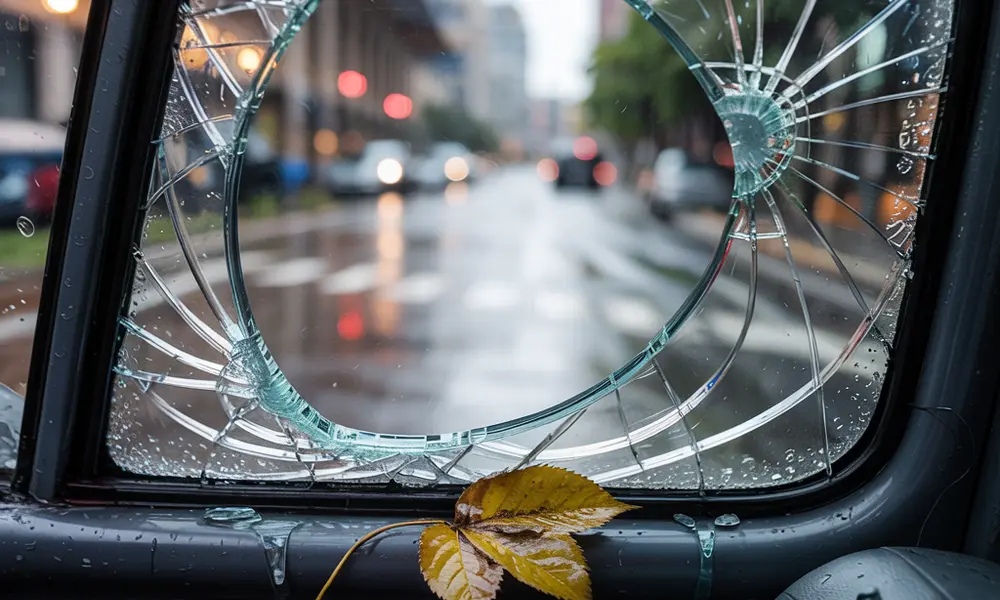
A broken rear quarter window is more than a small crack in glass. It lets water in, raises noise, and lowers safety. Many drivers think it is a hard fix, but that is not always true. With the right tools and clear steps, this job can be done safely and correctly. How To Replace Rear Quarter Window means removing the damaged quarter glass and installing a new one with proper bonding. The process is detailed but not confusing. This guide explains every step in plain words so you know what to expect and when help is the better choice. What is Quarter Glass on a Car? Quarter glass is the small fixed window near the rear side of your car. It usually sits behind the back door. Some cars have it in front of the door, but rear quarter glass is more common. The quarter glass window car design helps with visibility and body shape. It also supports the frame and keeps air flow balanced inside the cabin. Unlike door windows, it does not roll down. It stays in place with strong adhesive or clips. Most modern vehicles use tempered glass for quarter glass windows. This type of glass breaks into small pieces for safety. That is why damage often looks sudden and messy. Why Rear Quarter Windows Break Rear quarter glass can break for several reasons. The most common cause is impact. A flying rock, minor crash, or break-in attempt can shatter it fast. Temperature change is another cause. Cold weather followed by heat puts stress on glass edges. Over time, this can cause cracks. Poor installation also matters. If the quarter glass replacement was done without proper bonding, it may loosen and crack later. Vandalism is sadly common. Rear quarter windows are smaller and easier to break than windshields. Even body flex from rough roads can damage older quarter glass window seals. Should I Get a New Quarter Glass? Replacing broken quarter glass isn’t optional if you want a safe, legal vehicle. Driving with damaged or missing quarter glass creates serious problems. Safety concerns make replacement necessary. Broken glass exposes your car’s interior to weather and theft. Rain, snow, and dust enter freely through the opening. Your belongings become easy targets for criminals. Legal requirements vary by state. Most places require all factory-installed windows to remain functional. Police can ticket you for driving with missing glass. Insurance companies may refuse claims if you’re not maintaining your vehicle properly. Structural integrity matters more than you think. Quarter glass helps support your car’s roof structure. The adhesive bonding creates a seal that adds rigidity to the body. Removing this support weakens your vehicle’s frame. Resale value drops significantly with damaged glass. Buyers notice broken windows immediately. They assume other maintenance issues exist. Your car becomes harder to sell at a fair price. Getting new quarter glass makes financial sense. The longer you wait, the more secondary damage occurs. Water enters the door panels and causes rust. Interior fabrics develop mold from moisture exposure. Can You Replace a Rear Quarter Window Yourself? Yes, you can handle quarter glass replacement as a DIY project. The job requires patience and attention to detail, but it’s achievable for most people. The skill level needed sits at intermediate. You don’t need professional mechanic training. Basic hand tool experience and the ability to follow instructions are enough. The process involves more careful work than heavy lifting. Time investment ranges from two to four hours. First-timers should plan for the longer end. Experienced DIYers complete the job faster once they know the steps. Cost savings make DIY appealing. Professional shops charge between $200 and $500 for rear quarter glass replacement. Doing it yourself costs $50 to $150 for materials. You pocket the difference in labor charges. Challenges to consider include working with adhesive. Urethane sealant requires proper application. You need steady hands and good weather conditions. Temperature affects how the adhesive cures. Rain or extreme cold makes the job harder. Physical requirements are minimal. You’ll reach into tight spaces and hold awkward positions. Some bending and stretching is necessary. Anyone with reasonable mobility can manage these tasks. The biggest factor in success is preparation. Having all tools ready before starting makes everything smoother. Reading through the entire process helps you understand what’s coming. Cost of Replacing the Rear Quarter Window Understanding the full cost picture helps you budget appropriately. Prices vary based on several factors. DIY costs break down into specific categories: Replacement glass: $30 to $100 Urethane adhesive: $15 to $25 Primer and cleaner: $10 to $20 Trim tools: $5 to $15 (if needed) Total DIY expense runs $60 to $160. Luxury or rare vehicles cost more because their glass is harder to find. Professional installation ranges from $200 to $500. This includes labor, materials, and warranty coverage. Mobile services charge extra for convenience. Dealerships charge the highest rates but use OEM parts. Factors affecting price include: Vehicle make and model Glass availability Tinted vs. clear glass Local labor rates Additional damage requiring repair OEM vs. aftermarket glass creates a price difference. Original Equipment Manufacturer parts cost more but fit perfectly. Aftermarket options save money but quality varies. Both work fine for most situations. Hidden costs sometimes surprise people. You might need new weatherstripping if the old material tears. Door panel clips break during removal. Budget an extra $20 for unexpected supplies. Insurance coverage helps reduce out-of-pocket costs. Comprehensive policies typically cover glass damage. Check your deductible before filing a claim. Sometimes paying yourself costs less than the deductible. You should read about: How to Repair Power Window. Tools Needed to Replace a Rear Quarter Window Gathering the right equipment before starting saves frustration. You need specific tools for quarter glass window replacement. Essential tools: Utility knife with fresh blades Putty knife or trim removal tool Wire or string for cutting adhesive Caulking gun for urethane Clean rags and towels Isopropyl alcohol Painter’s tape or masking tape Gloves and safety glasses Recommended additions: Heat gun

How To Replace Rear Quarter Window: Complete DIY Guide Read More »

Why Would a Car Window Go Off Track?

How To Fix Window Off Track: Easy DIY Repair Steps

If your car window slips, tilts, or drops inside the door, it is likely off track. This problem feels serious, but many cases can be fixed at home with basic tools. A window off track usually happens when the glass comes out of its guide rail. The good news is that you can often fix it before it causes more damage. This guide explains How To Fix Window Off Track in clear, simple steps. You will learn why it happens, how to spot the signs, and when a quick DIY repair works. If the issue is bigger, you will also know when to call a professionalls What Does “Window Off Track” Mean? Your car window sits in a metal or plastic track inside the door. The window regulator lifts and lowers the glass along this track using cables or gears. When the glass slips out of position, it can’t move properly. Think of it like a train that jumped off its rails. The window glass needs to stay aligned with guide channels on both sides. When it pops out, the motor still tries to work but the glass goes nowhere. This problem affects both manual and power windows. The glass might tilt at an odd angle or drop into the door completely. You’ll hear grinding noises or see the window sitting crooked in the frame. Why Would a Car Window Go Off Track? Several things cause window off track problems in vehicles. Understanding the root cause helps you fix it right the first time. Worn Window Regulators The regulator mechanism wears out over time. Plastic clips break and metal parts bend. After years of use, the system can’t hold the glass steady anymore. Broken Window Clips Small plastic clips attach your window to the regulator track. These clips snap easily, especially in older cars. Once they break, the glass has nothing to grip onto. Bent or Damaged Tracks The metal channels can bend from impact or rust. A car door that’s been slammed too hard might knock the track out of alignment. Moisture causes rust that eats away at the metal. Loose Bolts and Fasteners Vibration loosens the bolts holding your window system together. The door experiences constant movement while driving. One loose bolt throws the whole mechanism off balance. Power Window Motor Failure A failing motor puts uneven pressure on the glass. It might push too hard on one side and create a crooked lift. This forces the window out of its proper path. Signs Your Car Window Is Off Track Catching the problem early makes repairs easier. Watch for these warning signs in your vehicle. The Window Won’t Move Up or Down You press the button but nothing happens. Or the glass moves just an inch then stops. This suggests the window has completely left its track. Glass Sits at an Angle Look at your window from outside the car. Does one side sit higher than the other? A tilted window means it’s off track on at least one side. Strange Grinding or Clicking Noises Hear weird sounds when you use the window switch? That’s the motor trying to move glass that’s stuck. Metal grinding on metal damages parts quickly. Window Falls Into the Door This is the worst scenario. The glass drops down inside the door panel completely. You can’t see it from outside and it won’t respond to the switch. Gaps Around the Window Frame Check the rubber seal around your window. Gaps let in wind noise and water. They show the glass isn’t sitting where it should be. Car Window Fell Into Door – What to Do First Don’t panic if your window drops into the door. Taking the right first steps prevents further damage. Stop Using the Window Switch Pressing the button when the window is off track breaks more parts. The motor keeps running even though nothing moves. This burns out the motor and strips gears. Secure Your Vehicle Park in a safe, covered area if possible. Your car’s interior is now exposed. Cover the window opening with plastic sheeting and tape until you can fix it. Check for Broken Glass Sometimes windows shatter when they fall. Look inside the door panel for glass pieces. Wear gloves when handling the door interior. Take Photos Snap pictures before you start any repairs. These help you remember how parts fit together. You’ll need them when reassembling everything. Gather Your Supplies Don’t start taking things apart until you have all your tools ready. Read through the complete repair process first. Make sure you can finish the job in one session. Tools You Need to Fix a Window Off Track Having the right equipment makes this car window off track easy fix much smoother. Most items are basic tools you might already own. Essential Tools: Flathead screwdriver Phillips head screwdriver Socket wrench set (10mm and 13mm sockets most common) Trim removal tools or plastic pry bars Work gloves to protect your hands Flashlight or headlamp for seeing inside the door Clean rags or towels Optional but Helpful: Silicone spray lubricant Replacement window clips (available at auto parts stores) Magnetic parts tray to hold screws Service manual for your specific car model Check your vehicle’s make and model online. Some cars need special tools for door panel removal. Know what you’re dealing with before you start. How to Fix Window Off Track in a Car in Easy Steps This window off track fix process works for most vehicles. Steps might vary slightly based on your car’s design. Step 1: Remove the Door Panel Start by taking off any covers over screws in your door. Pop out the trim pieces carefully with a plastic pry tool. Remove all visible screws holding the door panel. Lift the panel up and away from the door frame. Disconnect any electrical plugs for power locks, windows, or speakers. Set the panel aside in a safe place where it won’t get stepped on. Step 2: Remove the Vapor Barrier You’ll see a plastic

How To Fix Window Off Track: Easy DIY Repair Steps Read More »

Cost To Fix Windshield Chip In 2025

Cost to fix windshield chip is a common concern for many Austin drivers. A small chip can quickly spread, leading to a costly windshield replacement. That’s why early repair is important—it saves money and keeps you safe. The windshield chip repair cost depends on chip size, severity, and location. In Austin, the windshield chip repair price may vary based on local labor and service rates. Acting fast helps avoid bigger expenses. Most chip repairs take less than 30 minutes and are often covered by insurance. It’s a quick fix that protects both your wallet and your view. When Is Windshield Chip Repair a Good Option? Windshield chip repair is a smart and safe option—when done at the right time and under the right conditions. Before jumping into a full replacement, it’s important to know when a simple chip fix will do the job. Here’s what makes a windshield chip repairable instead of replaceable: Chip Size – Smaller Than a Quarter The chip is typically a candidate for repair if it is smaller than a quarter. Larger cracks or chips may spread fast, making replacement necessary. Why it matters: Smaller chips can be sealed effectively before they grow into long cracks. This helps avoid a full windshield replacement, which is more expensive. Chip Location – Away from Driver’s Direct View If the chip is not in the driver’s line of sight, repair is safer and more acceptable. Chips directly in front of the driver may still be legally repairable, but they can distort vision even after repair. Safety Tip: Any distortion in the central viewing area compromises driving safety and may fail inspections. Chip Depth and Type – Surface-Level Damage Surface-level damage types like bullseye, star break, or combination chips are typically fixable. But if the damage penetrates multiple layers or the inner glass, replacement is safer. Common Fixable Types: Bullseye Star Combo (as long as it’s not too deep) Repair vs Replacement: A Quick Comparison Factor Windshield Chip Repair Windshield Replacement Cost Lower — Often under $100 Higher – $200 to $500+ is possible. Time Fast — Usually under 30 minutes Longer — Typically 1–2 hours Effectiveness Great for minor damage Best for large or unsafe damage Safety Safe if criteria above are met Necessary for structural integrity So if you’re wondering about the price for windshield chip repair, it’s much more affordable than a full windshield swap—making it a cost-efficient solution when conditions allow. Cost to Fix Chip in Windscreen – Why Timing Matters Delaying a simple chip repair can lead to a full crack, especially in hot or cold weather. The cost to fix chip in windscreen is often minimal compared to full replacement—sometimes even free with insurance. Early action = big savings. Final Thought: Choose Repair for Small, Safe Damage To recap, windshield chip repair is a good option when: The chip is small (under a quarter) It’s away from direct line of sight It’s surface-level damage You want a fast and affordable solution Always choose a certified auto glass technician for an expert assessment. Repairing your windshield early saves you money, keeps you safe, and prevents further damage. You can also read about windshield replacement services in Austin, Tx. Factors Affecting Windshield Chip Repair Cost Understanding what drives the windshield chip repair cost can help you make a smart and budget-friendly decision. Whether you’re in Austin or anywhere else, several key factors influence how much you’ll pay to fix that chip before it becomes a costly crack. Size, Location & Number of Chips Size matters: A small chip (under a quarter size) is easier and cheaper to fix. Location impacts difficulty—chips in tight corners or near edges may cost more due to extra care needed. More chips = higher cost: Each chip adds labor and materials, raising the windshield chip repair price. Address all chips at once to possibly get bundled pricing. Type of Vehicle and Windshield Luxury vehicles, electric cars like Tesla, or cars with advanced driver-assist features often use specialty windshields that cost more to repair. Windshields with sensors or heads-up displays need more precise repair work. Some brands require OEM glass or advanced repair techniques. This directly increases the windshield chip repair cost, especially for newer or high-end vehicles. OEM vs. Aftermarket Materials Choosing OEM (Original Equipment Manufacturer) materials often means a higher price, but ensures compatibility and quality. OEM repair resins are matched to your car’s exact specifications. Aftermarket options are cheaper but may not always offer the same clarity or durability. Choosing between them will affect your overall windshield chip repair price. Mobile Repair vs In-Shop Service Mobile service is very convenient, although it could cost a little more. It comes to your house or place of business. In-shop repairs are often cheaper and may have better tools on hand. In Austin, where traffic and weather vary, mobile windshield chip repair is a popular option for convenience. Insurance Coverage and Deductible Many insurance providers cover chip repair at no out-of-pocket cost, especially if the damage is minor. If covered, the windshield chip repair cost might be $0 to you. If not covered, compare the price to your deductible—paying out of pocket may be cheaper than filing a claim. Always check with your provider before booking a repair. Local Market Conditions – Especially in Austin Your location can impact the cost. In Austin, competitive pricing keeps the windshield chip repair price affordable—but costs may vary depending on: Local demand Technician experience Proximity to repair centers Should I Replace My Chipped Windscreen or Repair It? Repair is ideal for minor damage, but replacement is necessary when safety is at risk. Knowing which route to take can save you money and keep you safe on the road. Let’s break it down clearly. When Is Windshield Repair the Right Choice? If your chip is: Smaller than a quarter Not in the driver’s direct line of sight Not spreading or cracking Then a repair is typically safe, fast, and cost-effective. The price for windshield chip

Cost To Fix Windshield Chip In 2025 Read More »

Different Types of Auto Window Tint Explained

Different Types Of Auto Window Tint

Different types of auto window tint not only enhance the look of your car but also serve important functions like protecting you from UV rays, reducing heat, and improving privacy. Whether you’re considering a subtle tint or something more advanced, it’s important to know the different window tints available and how they perform under real-world conditions. In this guide, you’ll learn about the different types of auto window tint, what makes each one unique, and how to choose the best option based on your needs, budget, and lifestyle. We’ll also touch on key factors like local laws and tinting regulations specific to Austin, Texas, so you stay safe and compliant on the road. What is Car Window Tinting? Applying a thin, translucent substance known as window film to the inside of your automobile’s windows is known as car window tinting. This film can be clear or dark, depending on the types of window tint you choose. It’s a simple upgrade that brings multiple benefits for both your car’s comfort and safety. Why Do People Tint Car Windows? Here’s what car window tinting does: Heat Rejection: Tinted windows help keep your car cooler by blocking out the sun’s heat. This means less need for AC and more comfortable drives, especially in hot climates like Texas. UV Protection: The window film blocks up to 99% of harmful UV rays. This protects your skin and also prevents your car’s interior from fading or cracking over time. Privacy: By making it more difficult for others to see inside your automobile, tinted windows increase your privacy. Some options, like privacy glass, are darker and commonly used on rear windows. Glare Reduction: When driving, sun glare might be harmful. Tinted windows reduce glare, helping you see the road clearly without squinting. Safety: The tint film keeps the shattered glass together in the event of an accident, keeping potentially harmful fragments from flying into the vehicle. Different Types of Tint You Can Choose From There are different types of tint available, each offering a unique level of performance and appearance. Common options include: Dyed Window Film: Good for basic privacy and reasonably priced. Metalized Film: uses metal particles to block heat, but it may disrupt phone and GPS signals. Carbon Tint: Offers excellent heat reduction without signal issues. Ceramic Tint: Premium option that blocks the most heat and UV rays while staying clear and signal-friendly. Different Types of Auto Window Tint When choosing the right tint for your vehicle, it’s important to understand the different types of tint available. Each type offers unique benefits in terms of cost, performance, and appearance. Below, we break down the different types of auto window tint so you can make the best choice for your needs. 4.1 Dyed Window Tint The least expensive of the several tint options is dyed window tint. It is created by sandwiching a layer of dye between a protective top coating and an adhesive layer. Reduces glare and improves driving visibility Adds privacy by darkening the windows Budget-friendly choice Over time, it may fade or discolor with sun exposure Best for: Drivers looking for a low-cost solution with decent privacy and glare reduction. 4.2 Metalized Window Tint This kind blocks heat and reflects sunlight using metallic particles inserted in the film. It’s more durable than dyed tints. Offers excellent heat rejection Adds strength to windows (helps prevent shattering) Strong and long-lasting May cause interference with GPS, phone, and radio signals Best for: Drivers who want long-lasting tint with strong performance—but don’t rely heavily on electronic devices. 4.3 Carbon Window Tint Carbon tint has a non-reflective finish and contains carbon particles that block both infrared light and UV rays. Keeps the car cooler by reducing heat buildup Prevents interior fading due to UV exposure Stylish matte look No signal issues Best for: Those who want better thermal insulation without signal interference. 4.4 Ceramic Window Tint Ceramic is the highest-performing option among all the different types of tint. It contains non-metallic, non-conductive ceramic particles. Blocks 99% of UV rays and most heat and infrared rays Maintains clear visibility, even at night No interference with electronics or signals Superior durability and clarity Best for: Car owners looking for the best protection, comfort, and appearance—worth the premium price. 4.5 Hybrid Tint (Dyed + Metalized) Hybrid tint combines dyed and metalized layers to offer a balanced performance between the two. Moderate heat and UV protection Less fading than dyed-only tints Fewer signal issues than full metalized versions Cost-effective with improved durability Best for: Those who want a mid-range tint with better performance than dyed film but less risk of interference than full metalized options. You can also read about How Much Does It Cost To Tint A Sunroof. Factors to Consider When Choosing Car Window Tint Before picking the right tint for your car, it’s important to consider a few key factors. With so many different window tints available, your choice should depend on your needs, vehicle type, and driving habits. Let’s break down what to keep in mind when comparing different types of auto window tint. Budget: Affordable vs. Premium Films Your budget will play a big role in the tint you choose. Some different window tints, like dyed film, are low-cost and great for basic privacy. On the other hand, premium options like ceramic tint offer top-tier heat rejection and clarity but come at a higher price. Think about what you’re willing to spend based on how long you plan to keep the vehicle and your comfort needs. Privacy Needs: Tint Levels for Visibility All different types of auto window tint offer varying levels of privacy. Darker tints block more visibility from the outside, which is ideal for those who value privacy while driving or parked. However, you’ll need to stay within local tint laws to avoid fines. If privacy is your priority, options like carbon tint or privacy glass offer a good balance. Heat Rejection & UV Protection: Especially in Texas If you’re driving in a hot

Different Types Of Auto Window Tint Read More »

How to Get Sticker Residue Off Car Window DIY Tips

How To Get Sticker Residue Off Car Window

How to get sticker residue off car window without scratching or damaging the glass? It’s a common headache—whether it’s from inspection stickers, parking permits, or kids’ decals, that leftover sticky goo can ruin the clean look of your car. But don’t worry, you don’t need harsh tools or expensive products. In this quick guide, we’ll walk you through simple, safe, and effective methods to get rid of sticker residue from car window surfaces without leaving a trace. Save your time, protect your glass, and bring back that spotless shine with ease. Why Sticker Residue Sticks to Car Windows Sticker residue sticks to car windows mainly because of the type of adhesive used, the effects of UV exposure, and how long the sticker has been on the glass. When you’re trying to get sticker residue off glass, it helps to understand why it’s so stubborn in the first place. Adhesive Types Used in Bumper and Window Stickers Most bumper and window decals use pressure-sensitive adhesives (PSA). These adhesives bond with the glass surface when pressed down and become harder to remove over time. Some stickers are designed for long-term use and use stronger, solvent-based glues. These can leave behind thick, sticky adhesive residue even after the sticker itself is peeled off. Over time, these adhesives break down or cure—meaning they chemically bond tighter with the surface—especially in outdoor conditions. That’s why getting sticker residue off glass becomes more difficult the longer the sticker stays on. Effects of Heat, UV, and Time Sunlight plays a major role in making sticker residue harder to remove. Prolonged UV exposure and heat can melt or “bake” the adhesive into the glass. That’s especially true in hot climates like Texas, where the sun is intense year-round. Over time, the decal glue becomes brittle, dry, or gooey—depending on the adhesive type—and bonds more aggressively with the window. This is why how to get sticker residue off often depends on how long the sticker has been there and the exposure to sun and weather. The longer it sits, the more likely it is to smear, flake, or leave a cloudy patch behind. Why Proper Removal Matters Improper removal can leave behind smears, cloudy patches, or even scratches if you use the wrong tools. Scraping with a metal blade, for example, can damage the glass surface, especially if dirt particles are trapped underneath. Residue also affects visibility, especially on windshields and rear windows, which can become a safety issue while driving. Using the right method ensures that no adhesive residue is left behind and the glass looks clean. This also prevents long-term buildup and makes future sticker removal easier. Tools & Materials You’ll Need Before getting sticker residue off glass, it’s important to gather the right tools. These are safe for auto glass and commonly found in most households: Rubbing Alcohol / Isopropyl Alcohol – Helps break down sticky adhesive residue quickly without damaging the glass surface. White Vinegar – A natural, non-toxic option for loosening decal glue and sticky spots caused by UV exposure over time. WD-40 – Works well on tough residue by softening old adhesive and making it easier to wipe away. Razor Blade or Plastic Scraper – A plastic scraper is safer for getting sticker residue off glass without scratching. Use a razor blade carefully and only on flat glass surfaces. Microfiber Cloth – Gently wipes away loosened glue and avoids smearing or scratching the window. Warm Water + Dish Soap – Use as a first step or final rinse. Excellent for surface preparation or removing lighter residue. These tools are perfect whether you’re learning how to get sticker residue off car windows or dealing with years-old bumper sticker glue. You can also read about How To Remove Sticker From Car Window. Step-by-Step: How to Remove Sticker Residue from Car Window Stickers on your car windows may seem harmless—until it’s time to take them off. If you’re struggling with sticky marks, here are four proven methods to remove adhesive residue from glass safely and effectively. Method 1: Using Rubbing Alcohol (Safe & Effective) Best for: Most types of sticker residue, especially fresh or medium-strength adhesives. Spray or dab on alcohol – Apply isopropyl alcohol directly onto the sticker glue using a spray bottle or soaked cloth. Let it soak – Give it 2–5 minutes to break down the adhesive residue. Clean using a cloth – Scrub gently with a microfiber cloth. Repeat if needed – Older stickers may require a second round. This is one of the safest ways to get sticker residue off glass without causing any surface damage. Method 2: Vinegar + Dish Soap Best for: Eco-conscious users or milder adhesive types baked in by sun or time. Spray vinegar – White vinegar functions as a solvent for natural adhesives. Spray directly on the sticky area. Wait 5–10 minutes – This enables the glue to be loosened by the acid. Rub off residue – Use a cloth or soft sponge to remove the loosened adhesive. Rinse glass – Wash with warm water and dish soap to clear any film. It’s a great DIY way to remove adhesive residue from glass if you’re avoiding harsh chemicals. Method 3: WD-40 Spray Best for: Older or weather-exposed stickers and thick adhesive buildup. Apply WD-40 – Apply liberally on the sticker residue. Let it loosen adhesive – Wait 5 minutes for the product to penetrate the glue. Use cloth or scraper gently – Wipe away the glue, or use a plastic scraper for tougher areas. Clean with soap afterward – Remove oily residue with warm soapy water or window cleaner. WD-40 is a powerful sticker remover and works well when other methods fail. Method 4: Plastic Scraper for Stubborn Residue Best for: Thick, dried glue or decals that have been on for years. When to use it – Only after softening the glue with alcohol, vinegar, or WD-40. Never use dry. How to avoid scratching – Use a plastic razor blade scraper or plastic card. Never

How To Get Sticker Residue Off Car Window Read More »

Scroll to Top